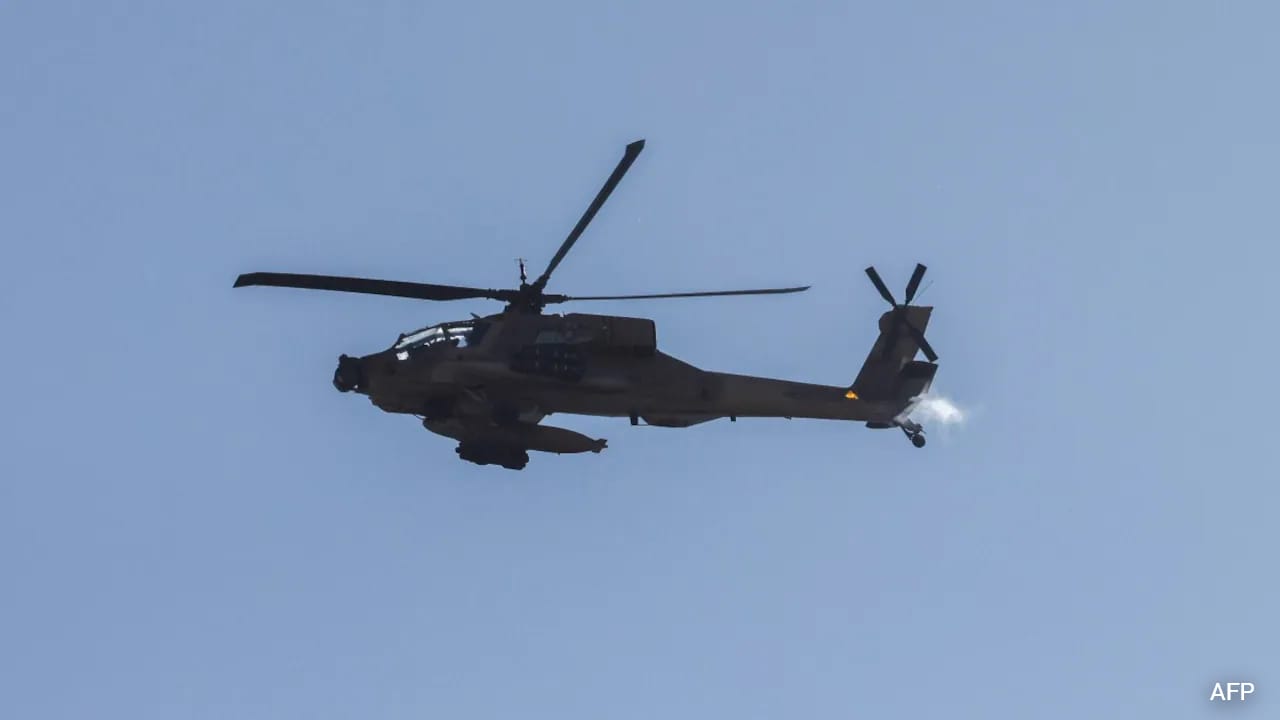
The United States Army grounded its entire fleet of AH-64 Apache attack helicopters following a fatal training crash in Fort Cavazos, Texas, plunging military readiness into an immediate crisis. When a brigade commander orders a complete operational pause, it signals a systemic anxiety that goes far beyond a single pilot error or isolated mechanical failure.
For the aviation community, this directive exposes a deeper friction point. Maintaining complex combat rotorcraft under relentless deployment tempos stretches both maintenance pipelines and aircrews to their absolute limits. This analysis examines the operational realities, structural pressures, and historical patterns driving the decision to halt Apache training missions nationwide.
The Anatomy of an Operational Pause
A safety stand down is not a casual suggestion. It is an emergency brake pulled by leadership when recurring anomalies reach a statistical threshold that demands immediate intervention.
When the Army halts an entire aircraft platform, inspectors pull flight logs, scrutinize component lifecycles, and re-examine flight control software line by line. The AH-64 is among the most lethal and technologically sophisticated aircraft in the global defense inventory. That sophistication comes at a steep maintenance cost. Every flight hour demands multiple hours of meticulous ground-crew labor.
Operating these aircraft requires a delicate balance between aggressive combat readiness training and strict mechanical preservation. When operational tempos accelerate to meet global deterrence requirements, maintenance windows shrink. Mechanics work under immense pressure to turn around airframes, and training schedules leave little room for unexpected component fatigue.
Behind the Texas Incident
While official accident investigation boards move methodically to determine the exact cause of the Fort Cavazos crash, aviation analysts look at the broader environment. Modern military flight training replicates high-intensity conflict zones. Pilots push their machines through low-altitude maneuvers, complex targeting sequences, and demanding night-vision operations.
The margin for error in an Apache is vanishingly small. Dual General Electric T700 turboshaft engines provide immense power, but managing that power profile while navigating unpredictable wind shear or unexpected terrain features requires absolute synchronization between the pilot and the copilot-gunner.
The Maintenance Burden
Modernization upgrades add weight and complexity to the airframe. As avionics suites update to counter advanced electronic warfare threats, electrical systems face heavier loads.
- Supply Chain Constraints: Sourcing specialized replacement parts for military-grade gear boxes and rotor hubs remains a persistent bottleneck across defense logistics networks.
- Depot-Level Delays: Overburdened maintenance depots struggle to process airframes requiring heavy overhauls within standard turnaround times.
- Retention Challenges: Experienced crew chiefs and avionics technicians frequently leave military service for lucrative civilian defense contracting roles, draining institutional knowledge from active-duty units.
Without seasoned maintainers turning wrenches, minor mechanical warnings risk turning into catastrophic failures in mid-air.
Training Tempo Versus Safety Realities
The pressure to maintain high proficiency numbers creates a quiet cultural hazard inside flight units. Aviators want to fly. Commanders want to show high operational readiness rates to higher headquarters. This creates an unwritten incentive structure where reporting minor mechanical quirks or pushing back against aggressive flight schedules can feel discouraged.
The military has wrestled with this tension for decades. During high-tempo counterinsurgency campaigns, maintenance shortcuts became normalized simply to keep birds in the air. Transitioning back to large-scale combat operations against peer adversaries requires an entirely different baseline of aircraft health. An Apache flying a routine training mission in Texas is enduring stresses that mirror the operational wear and tear of a combat deployment.
When a fleetwide grounding occurs, it forces a hard reset. It allows overworked crews to catch up on sleep, gives inspectors time to conduct non-destructive testing on critical rotor components, and forces leadership to re-evaluate whether current training quotas are realistic given available resources.
The Broader Impact on Global Readiness
Grounding the Apache fleet creates immediate ripple effects across joint-force training exercises. Infantry units, armored brigades, and special operations elements rely on close air support provided by AH-64 battalions. When those helicopters stay parked on the tarmac, combined arms rehearsals stall.
International partners who operate the Apache platform also watch these stand downs closely. Foreign military sales customers often mirror United States Army maintenance directives and airworthiness bulletins. A prolonged grounding in the American fleet cascades into international maintenance schedules, grounding allied fleets from Europe to the Indo-Pacific.
The financial cost of these pauses is secondary, but real. Every grounded week delays pilot progression milestones, forcing the Army to extend flight school pipelines or schedule intensive catch-up blocks once the clearance to fly is eventually granted.
Resolving the Systemic Vulnerability
Fixing the vulnerabilities highlighted by the Texas crash requires more than a temporary pause in flight operations. It demands structural reform in how the military manages its aviation talent pool and supply chain resilience.
Investing in predictive maintenance algorithms powered by real-time flight telemetry can catch component fatigue before it manifests as a catastrophic failure in flight. Upgrading depot infrastructure to handle next-generation avionics without creating months-long backlogs is equally critical. Most importantly, military leadership must foster an organizational climate where safety officers possess undisputed authority to halt operations without fear of career reprisal.
Until the Department of Defense addresses the root causes of pilot fatigue, maintenance backlogs, and overstretched deployment cycles, safety stand downs will remain a recurring symptom of a force asked to do too much with too little. The Apache will fly again soon, but the systemic pressures that brought the fleet to a halt will continue to test the limits of American military aviation long after the current investigation closes.