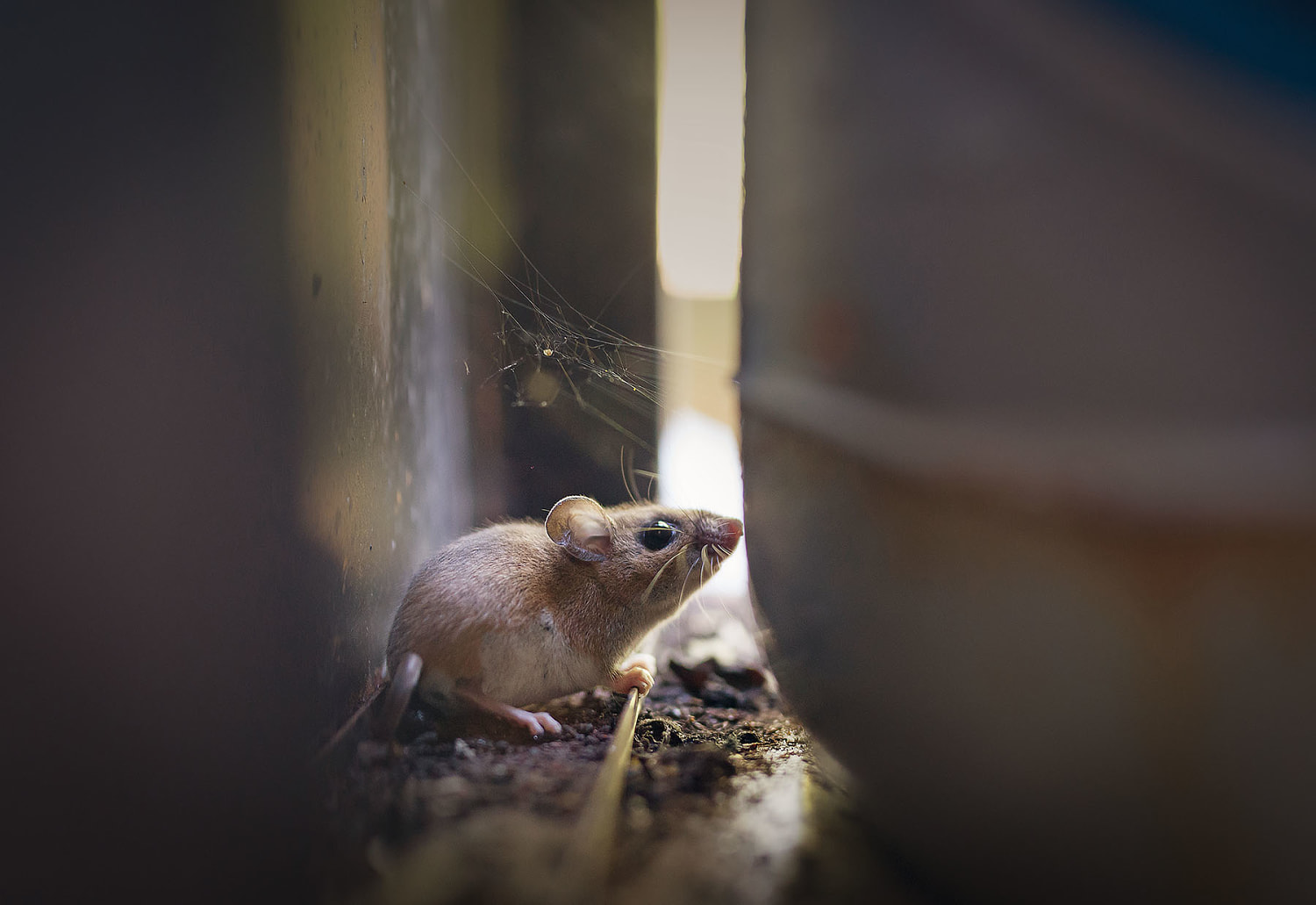
When most people think about hantavirus, they picture an isolated, dusty cabin in the high desert of the American Southwest. They think of Yosemite. They think of rural New Mexico. That makes sense because, for decades, the Four Corners region was the undisputed epicenter of Hantavirus Pulmonary Syndrome (HPS). But public health data shows the geographic reality of this deadly virus is shifting in ways that catch both doctors and homeowners completely off guard.
You cannot rely on old assumptions about where this disease hides. Recent ecological studies and tracking by agencies like the Centers for Disease Control and Prevention (CDC) reveal that hantavirus is popping up in unexpected states, driven by changing weather patterns and human encroachment into wild spaces. If you think you are safe just because you do not live in a desert canyon, you are making a dangerous mistake.
Hantavirus is rare, but it carries a mortality rate of around 40%. That is terrifyingly high. Because the early symptoms mirror a common flu, people wait too long to seek medical care. Understanding the new geography of hantavirus and knowing exactly how to handle rodent infestations in your own home is a matter of survival.
The New Map of Hantavirus Hot Spots
The classic textbook map of hantavirus in the United States is officially outdated. Historically, Arizona, New Mexico, Colorado, and Utah bore the brunt of HPS cases. The infamous 1993 outbreak in the Four Corners area put the Sin Nombre virus—the specific strain of hantavirus carried by deer mice—on the global medical map.
Things look different now.
Researchers monitoring rodent populations have identified growing hot spots in the Pacific Northwest, the upper Midwest, and even parts of the Northeast. States like Washington, California, and Texas have seen steady rises in cases over recent years. More surprising is the presence of hantavirus strains in places like New York, Pennsylvania, and West Virginia.
Why is this happening? It comes down to biology and weather.
Deer mice (Peromyscus maniculatus) are the primary reservoirs for the Sin Nombre strain, and they live almost everywhere in North America. They thrive in forests, grasslands, and suburban brush. When a region experiences an unusually wet winter followed by a hot summer, vegetation explodes. More seeds and insects mean a population boom for rodents.
As the rodent population swells, the virus spreads faster among the mice themselves. When winter returns or a drought hits, these infected rodents look for shelter and food. Where do they go? Your garage. Your basement. Your crawl space.
It is also a mistake to assume only the Sin Nombre strain matters. The Bayou virus, carried by the rice rat, pops up in the Southeast. The Black Creek Canal virus is found in Florida, carried by the cotton rat. The New York virus is carried by the white-footed mouse in the northeastern United States. The threat is national, not regional.
The Fatal Flaw in How We Diagnose Hantavirus
The biggest hurdle in surviving hantavirus is not the virus itself. It is the clock.
Because the disease is rare, most emergency room physicians have never seen a case in person. When an infected patient walks into a clinic in a non-traditional state like Illinois or Virginia, the doctor sees a fever, muscle aches, and fatigue. They diagnose influenza, COVID-19, or a nasty cold, and send the patient home to rest.
That delay is frequently fatal.
Hantavirus progresses in two distinct phases. The initial phase lasts between one and five days. You feel like you have the flu. You ache, you sweat, and you feel exhausted. Some people experience headaches, dizziness, and abdominal pain.
Then comes the second phase. This is the respiratory crash.
As the virus attacks the endothelial cells lining the blood vessels in your lungs, fluid begins to leak directly into your air sacs. You feel like you are drowning. This is Hantavirus Pulmonary Syndrome. Once a patient reaches this stage, their condition deteriorates with frightening speed. They require mechanical ventilation and intensive care within hours.
If you have been cleaning out an old barn, a suburban shed, or a dusty attic and you develop a sudden fever a few weeks later, you must tell the medical staff explicitly about that exposure. Do not wait for them to guess. Doctors need to run specific serological tests or polymerase chain reaction (PCR) assays to confirm hantavirus, and they will only order those tests if they know you were around rodents.
The Mistakes Everyone Makes When Cleaning Rodent Messes
If you find mouse droppings in your garage or cabin, your first instinct is probably to grab a broom or a vacuum cleaner and clean it up as fast as possible.
Stop. That is the absolute worst thing you can do.
Hantavirus is not spread through bites. It is an airborne pathogen. The virus is excreted in the saliva, urine, and feces of infected rodents. When those waste products dry out, the virus can remain viable for days.
When you sweep with a broom or turn on a vacuum, you kick up microscopic dust particles laden with the virus. You create an invisible aerosol cloud. You breathe that cloud right into your lungs, giving the virus a direct pathway to your respiratory system. This is how the vast majority of people get infected.
Forget everything you know about standard household cleaning when dealing with rodent infestations. You need to approach the situation like a biohazard specialist.
First, never enter a heavily infested, enclosed space immediately. Open all the doors and windows and let the area air out for at least 30 minutes before you start working. This helps disperse any airborne particles that are already lingering in the space.
Second, suit up. You need thick rubber or plastic gloves. If you are cleaning a heavily infested area like a crawl space, wear an N95 respirator. A standard surgical mask does not offer enough filtration to block the viral particles.
Third, drown the area. Do not sweep or vacuum dry droppings. Instead, spray the entire area with a commercial disinfectant or a homemade bleach solution. Mix one and a half cups of household bleach with one gallon of water. Thoroughly wet the droppings, nests, and dead mice until everything is completely soaked. Let it sit for a full five minutes to kill the virus on contact.
Once everything is wet, use a paper towel to scoop up the mess. Wipe down the area thoroughly. Place all the waste, including the paper towels and your gloves, into a plastic bag. Seal that bag tightly, put it inside a second garbage bag, and throw it in your outdoor trash can. Finally, wash your hands vigorously with soap and water or an alcohol-based sanitizer.
Protecting Your Home from the Ground Up
The only real way to eliminate your risk of hantavirus is to keep rodents out of your living and working spaces entirely. Mice can squeeze through a hole the size of a dime. If a pencil can fit through a crack, a mouse can too.
Walk around the perimeter of your home with a flashlight. Look closely at the foundations, the areas where utility pipes enter the house, and the gaps around doors and windows. Do not bother sealing these holes with caulk or expanding foam alone. Mice will chew right through it in minutes.
Instead, stuff the gaps tightly with heavy-duty steel wool or copper mesh, then apply caulk or foam over the top to seal out the weather. The metal mesh cuts into the rodents' teeth, stopping them from chewing through.
Keep the exterior of your home inhospitable to pests. Move woodpiles, compost heaps, and brush piles at least 20 feet away from your foundation. Mice love nesting in firewood. If those logs sit right next to your back door, you are practically inviting them inside. Cut back thick shrubbery and tall grass near the walls of your house to eliminate the cover they use to hide from predators.
Inside the house, store all human and pet food in thick plastic, glass, or metal containers with tight-fitting lids. Never leave pet food bowls full overnight. If you have an active rodent problem, skip the live traps. They keep the animal alive, allowing it to continue urinating and defecating inside the trap, which increases your risk of exposure. Use classic snap traps instead, and always spray them with disinfectant before disposal. This keeps your home secure, your family safe, and your environment clean.