The United Nations General Assembly voted overwhelmingly to endorse the International Court of Justice climate ruling, passing a landmark resolution meant to operationalize state accountability for global warming. With 141 nations voting in favor, the resolution demands that governments align domestic laws with their legal obligations to limit global warming to 1.5 degrees Celsius. However, the vote also exposed an unyielding geopolitical fracture, with eight nations, including the United States, voting against, and 28 abstaining. While activists celebrate a historic milestone, the fierce resistance from the world’s primary economic and military superpower ensures that this legal triumph faces an immediate, crippling enforcement crisis.
By elevating a non-binding advisory opinion into an active General Assembly mandate, the UN attempts to transform moral consensus into hard international law. The diplomatic push, originally set in motion by Pacific Island nations facing existential threats from rising sea levels, aims to create a mechanism for tracking state compliance and regulating fossil fuel companies. Yet, the deep-seated opposition from major emitters reveals the limits of supranational climate governance.
The Legal High Wire Act Behind the Vote
The resolution seeks to weaponize the advisory opinion issued by the International Court of Justice, which declared that safeguarding the climate system is an explicit legal duty rather than a voluntary policy choice. Nations failing to meet these obligations can be held legally responsible for transboundary environmental damage. The General Assembly resolution formalizes these findings, ordering the UN Secretary-General to produce a comprehensive compliance report by 2027.
This reporting requirement is where abstract international law collides with national sovereignty. Activists hope a formal compliance framework will provide a baseline for domestic climate litigation across the globe. Litigants in national courts can now point to a UN-backed interpretation of international law to argue that their own governments are violating fundamental human rights by subsidizing fossil fuels or missing emission targets.
The strategy relies heavily on naming and shaming. By forcing states to explicitly defend their emission trajectories against a standardized legal baseline, the UN hopes to increase the political cost of inaction.
Why the United States Drew a Line in the Sand
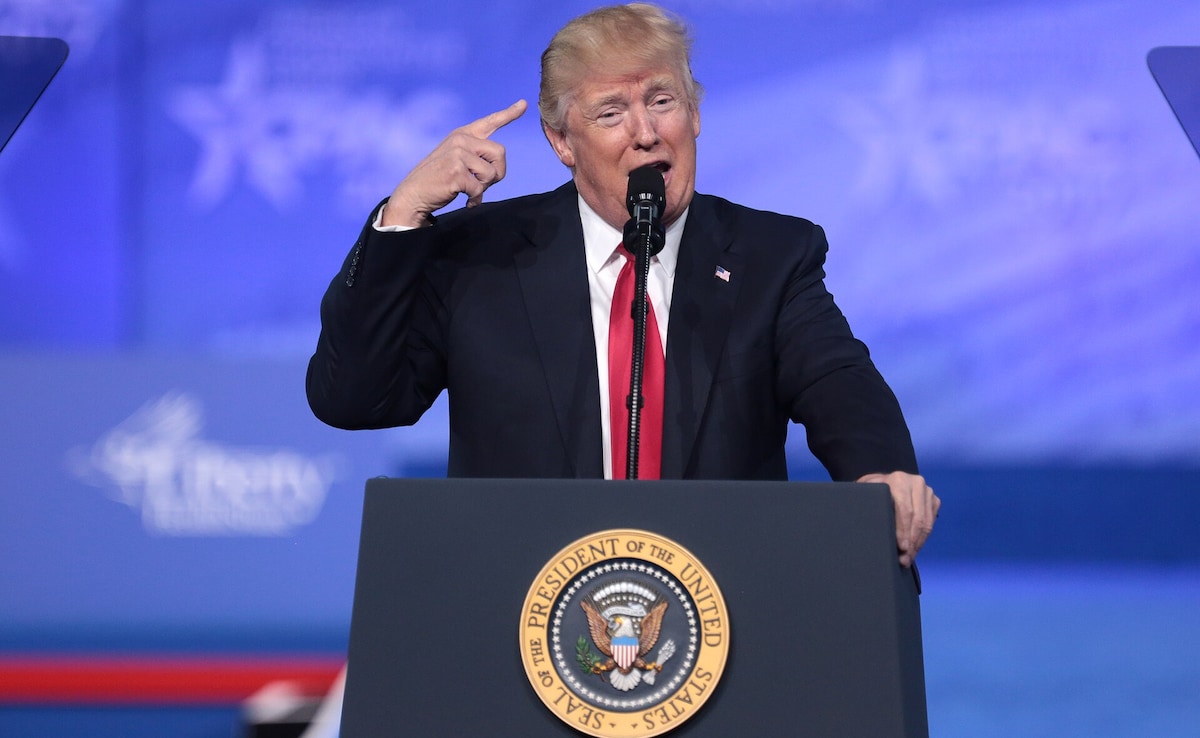
The American opposition to the resolution was neither passive nor unexpected. In a strongly worded explanation of its vote, the United States Mission to the UN criticized the text as highly problematic, arguing that it attempts to manufacture binding obligations out of an inherently non-binding advisory opinion. The American delegation targeted specific clauses, including what it described as inappropriate political demands regarding fossil fuels.
Washington’s core legal argument rests on a strict interpretation of international treaty architecture. The U.S. maintains that the United Nations Framework Convention on Climate Change and the Paris Agreement are the sole legitimate sources of state climate obligations. By introducing alternative legal standards via the World Court, the U.S. argues, the UN is dangerously complicating the delicate, consensus-based negotiations that govern global climate talks.
A deeper economic anxiety underpins this legal posture. The American government strongly objects to the court’s expansive view of state liability for transboundary harm. Accepting this framework would open the floodgates to trillions of dollars in liability claims from developing nations suffering from climate-induced disasters, a concession no administration in Washington is prepared to make.
The U.S. also took aim at what it characterized as alarmist language, specifically rejecting the resolution's characterization of climate change as an unprecedented challenge of civilizational proportions. Such rhetoric, the U.S. argued, has no place in a formal legal text.
The Fragmented Global Response
The final tally exposed a deeply divided international community that belies the narrative of global unanimity. The eight dissenting votes and 28 abstentions represent a massive share of global gross domestic product and carbon emissions. This bloc effectively insulates itself from the moral authority of the text, creating an immediate compliance vacuum.
European nations largely backed the measure, viewing it as a logical extension of their own domestic net-zero legislative frameworks. For small island states like Vanuatu and Tuvalu, which spearheaded the diplomatic campaign, the resolution is a matter of sheer survival. They argue that because they contribute less than 0.01% of global emissions yet face total territorial erasure from rising seas, international law is their only viable shield against the indifference of larger economies.
The resulting landscape is highly fragmented. While one half of the world prepares to integrate the court's findings into national policies and trade frameworks, the other half plans to ignore them entirely.
The Enforcement Dead End
The ultimate vulnerability of this resolution lies in the lack of a centralized enforcement mechanism. The United Nations General Assembly cannot impose economic sanctions or deploy peacekeeping forces to compel carbon reductions. An international law that cannot be enforced risks becoming a form of diplomatic theater.
Without American cooperation, multilateral initiatives aimed at penalizing non-compliance will struggle to gain traction. The U.S. has already urged the UN Secretariat to avoid wading into the complex legal issues raised by the court, signaling that it will aggressively resist any attempts to operationalize the 2027 compliance report.
This resistance leaves climate advocates with a single, difficult path forward. They must rely on decentralized, grassroots legal action within individual countries, using the UN text to pressure local judges and parliamentarians. It is a slow, piecemeal strategy that stands in sharp contrast to the rapid, global transformation demanded by climate scientists. The world’s highest court has spoken, and the General Assembly has responded, but the nations that hold the true levers of global emissions remain entirely unmoved.