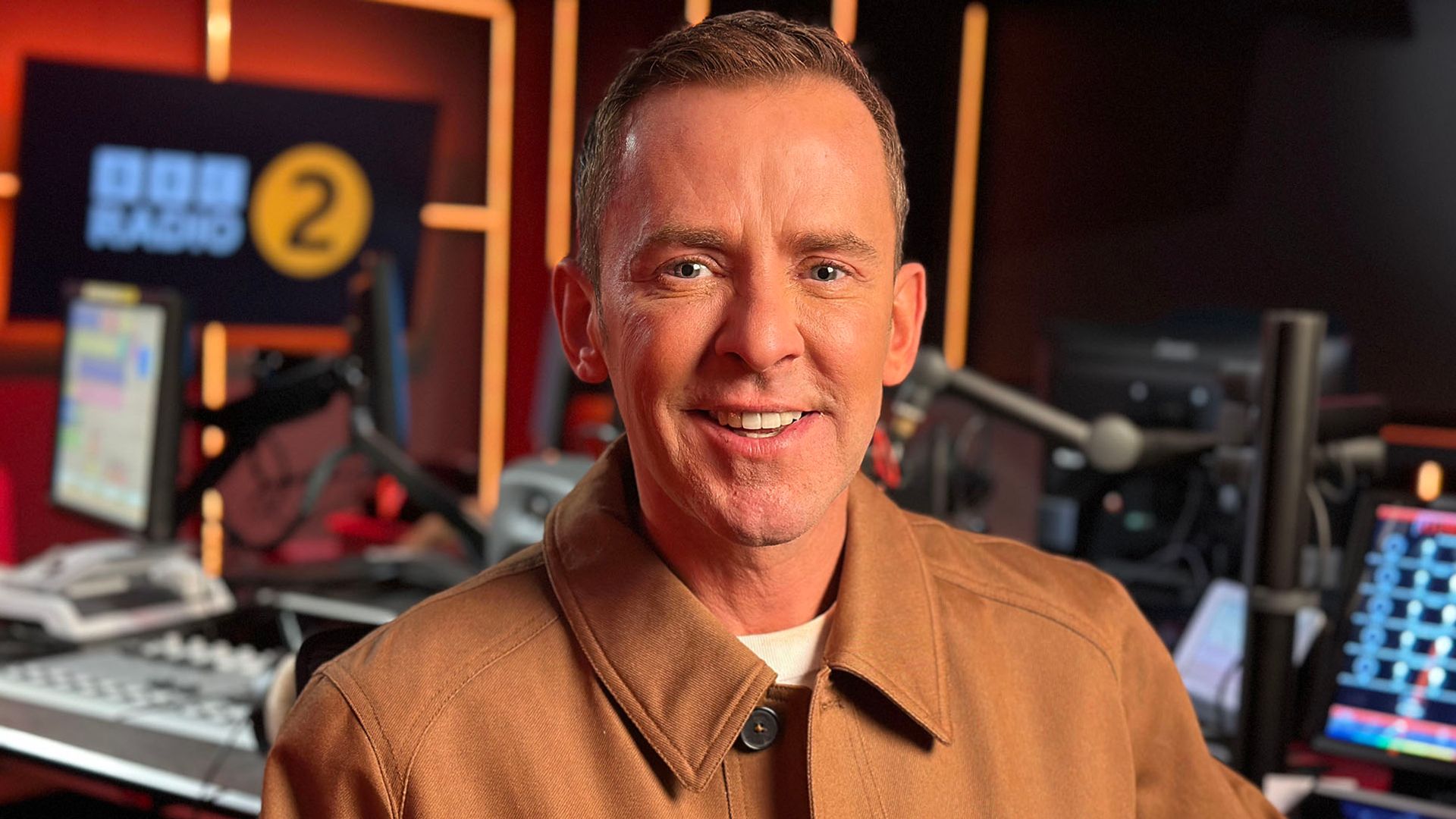
The newly published BBC annual report reveals that former Radio 2 Breakfast Show host Scott Mills was the corporation's highest-paid presenter, taking home between £745,000 and £749,999 before his abrupt sacking in March. While mainstream coverage focuses on the dramatic nature of his departure, the real story lies in what his salary reveals about a deeply compromised talent strategy and a public broadcaster in severe financial peril. The BBC is currently running a £121 million operating deficit. Yet, its pay structure remains an opaque, self-defeating system that fails both the license-fee payer and the stars it employs.
This is not just a story about one disgraced presenter. It is an indictment of a system that continually overpays for legacy talent while failing to manage the reputational risks that come with them. For an alternative perspective, read: this related article.
The Illusion of Financial Reform
For years, the BBC has tried to reassure the public that it is tightening its belt. Executives frequently point to a £20 million reduction in overall presenter costs over the last seven years as proof of fiscal responsibility. Deputy director-general Rhodri Talfan Davies recently defended the figures, claiming the downward trend in presenter salaries would continue.
The math tells a different story. Related analysis regarding this has been published by The Hollywood Reporter.
Mills’ pay did not just rise; it doubled. He went from earning around £355,000 to nearly £750,000 in a single year after taking over the Radio 2 Breakfast Show from Zoe Ball in January 2025. This massive jump happened at a time when the BBC was supposedly exercising extreme caution with public money.
The corporation justified the increase by pointing to the sheer scale of the Radio 2 Breakfast slot, historically the most listened-to radio show in the country. But this justification exposes a fundamental flaw in the BBC’s recruitment philosophy. Instead of using its unique platform to cultivate new, cost-effective talent, the BBC continues to rely on a small pool of established names, bidding against itself to keep them.
When Zoe Ball stepped down, the BBC did not look for an exciting, lower-cost alternative. They chose Mills, a reliable veteran who had already spent two decades at the corporation. To secure him, they threw money at him, pushing him to the very top of their pay league. It was a low-risk programming decision that carried massive financial and reputational consequences.
The Sacking and the Vetting Failure
The decision to make Mills the face and voice of the corporation’s flagship radio show looks even worse when you look at the timeline of his departure. Mills was sacked in March after the BBC received new information regarding a 2016 police investigation into allegations of historical sexual offences.
The police investigation had been closed in 2019 without charges. Mills has maintained his innocence, stating that he cooperated fully with the inquiry. But the critical question for the BBC is one of risk management.
Why did the BBC board agree to make Mills their most highly paid asset while fully aware of this background?
The BBC has a long, painful history of failing to vet its talent properly. The decision to hand Mills the keys to the Breakfast Show—and a near-£750,000 salary—suggests that lessons have not been learned. The moment the "new information" came to light, the BBC was forced to terminate his contract immediately. They were left with a vacant breakfast slot, a PR disaster, and a public relations strategy in tatters.
This is a recurring pattern. The BBC repeatedly finds itself caught between two conflicting forces: the desire to behave like a commercial entertainment business and the obligation to act as a trusted public service. When those two forces collide, the public service element always loses.
The Off-Book Millions and the Transparency Illusion
Every year, the publication of the BBC's annual report triggers predictable outrage over presenter salaries. Gary Lineker’s drop to 15th place on the list, earning just over £325,000 after leaving his main role, is framed as a victory for those demanding lower pay. Greg James’ rise to second place at £440,000 is analyzed as a shift toward younger audiences.
This annual ritual is largely a performance.
The figures published in the annual report only tell a fraction of the story. The BBC is required to declare salaries paid to on-air and off-air talent who receive more than £178,000 directly from license fee revenue.
It does not include money paid through independent production companies.
It does not include earnings from the BBC’s commercial arm, BBC Studios.
This is a massive loophole. Mega-stars like Graham Norton or Claudia Winkleman do not appear at the top of the official salary list because their shows are produced by external companies or funded commercially. They are paid millions, but because that money does not flow directly from the public license fee account to their personal bank accounts, it remains hidden from the official public register.
This parallel payment system creates a false sense of transparency. The public is led to believe that the BBC’s top earner makes £750,000, when in reality, the true top earners are making multiples of that figure behind closed doors. This makes a mockery of the charter's commitment to openness. It also distorts the market, allowing the BBC to pretend it is cutting costs while simply shifting the expenses to off-book production budgets.
The Flight of the Megastars to Commercial Rivals
While the BBC plays accounting games, its commercial rivals are watching closely. The broadcaster is facing an existential talent drain that it cannot stop.
Zoe Ball, who occupied the number two spot on the pay list last year, left the BBC to join Greatest Hits Radio. She followed in the footsteps of Ken Bruce, who took a massive chunk of the Radio 2 audience with him when he made the same move.
Commercial radio groups like Bauer and Global can offer talent several advantages that the BBC simply cannot match. They pay market rates without public scrutiny. Their presenters do not have their salaries splashed across the front pages of national newspapers every July. They do not have to justify their worth to hostile politicians or skeptical license-fee payers.
This creates a dangerous dynamic for the BBC. The corporation acts as a highly expensive training ground. It takes promising presenters, builds their profiles over decades using public money, and then loses them to commercial rivals the moment they reach peak popularity.
To stop this drain, the BBC panics. It overpays to keep the stars it has left, leading to the inflated salaries we see in the latest report. This is a losing strategy. The BBC cannot outbid commercial media conglomerates in the long run, and trying to do so only damages its standing with the public.
A Broadcasting Empire Built on Borrowed Time
The financial context surrounding these salaries is grim. The BBC’s operating loss of £121 million in the last financial year is a clear warning sign. Licence fee income has fallen by around £1.2 billion in real terms since 2017, a drop of roughly 25 percent.
The license fee model is dying.
An increasing number of households are choosing not to pay the levy, opting instead for streaming services that do not require a TV license. Incoming director-general Matt Brittin faces the monumental task of restructuring an organization that is living far beyond its means.
In this environment, spending three-quarters of a million pounds of public money on a single radio presenter is impossible to defend. It shows an organization out of touch with the economic reality of its audience. The average license-fee payer, struggling with the cost of living, is funding the lifestyles of a handful of media executives and presenters who reside in an entirely different financial universe.
The Scott Mills scandal is not an isolated incident of bad luck. It is the natural consequence of a bloated, defensive organization trying to survive in a media world it no longer controls. The BBC cannot continue to operate as a high-paying commercial broadcaster while relying on a compulsory public tax to survive.
The broadcaster must choose. It can either embrace true transparency, cap presenter salaries at a level that reflects its public service status, and focus on developing new talent, or it can watch its funding model collapse under the weight of its own contradictions. The current path of hiding costs, overpaying aging stars, and managing constant reputational crises is unsustainable. Change is no longer a policy choice; it is a matter of survival.