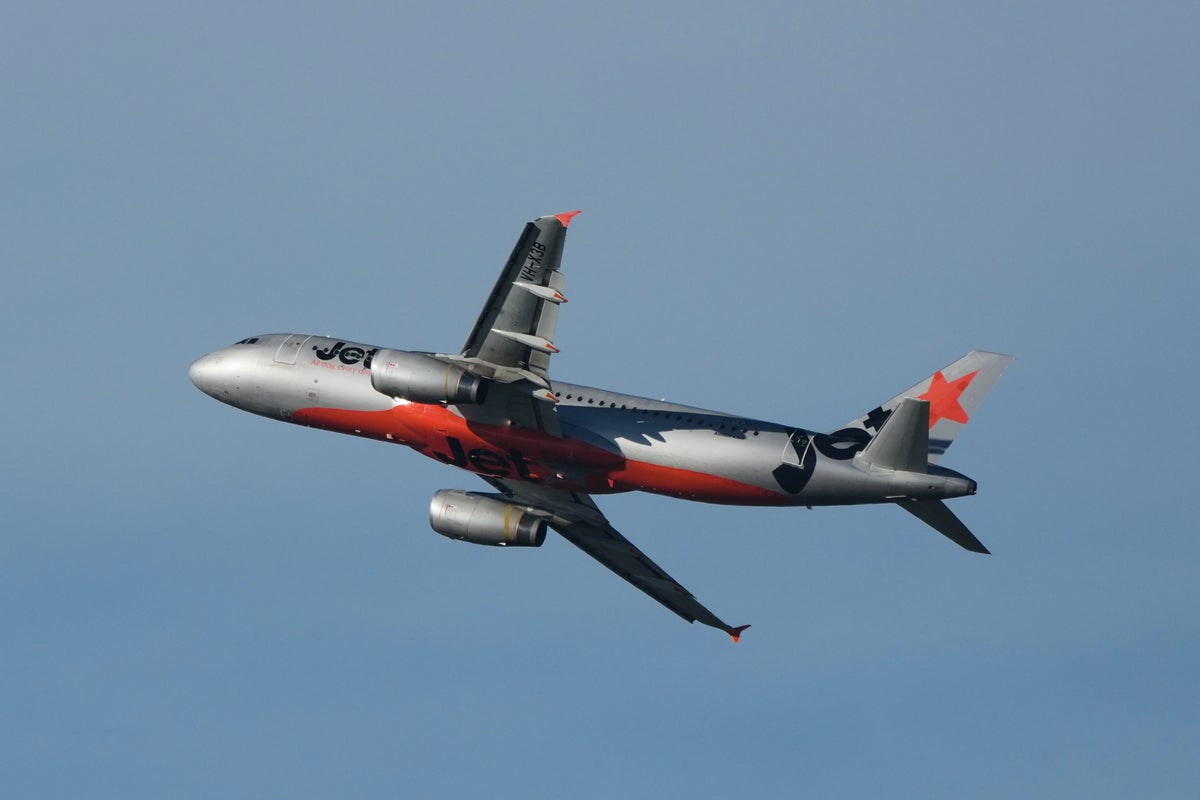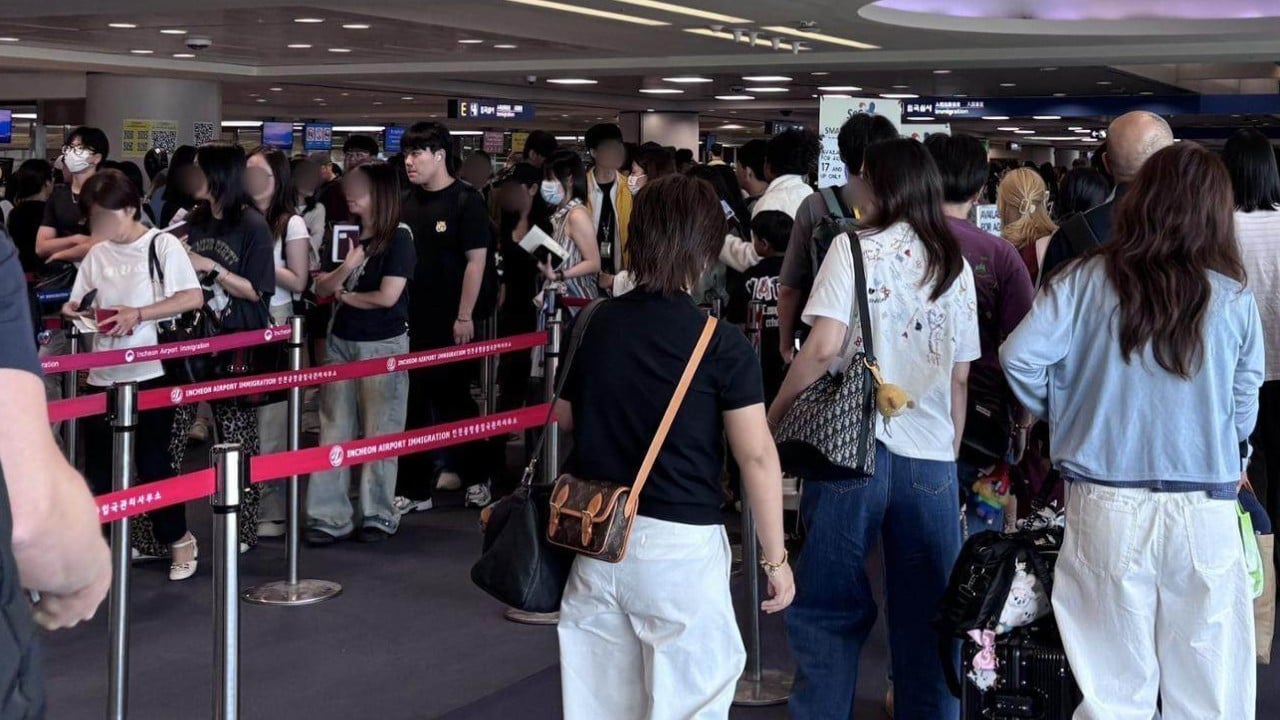
Landing at Incheon International Airport used to mean a swift, well-oiled transition from tarmac to city center. Today, travelers touching down at South Korea's primary aviation hub are increasingly greeted by a sobering reality: immigration queues stretching well past the eighty-minute mark, crippling baggage carousels, and mounting passenger frustration.
The aviation industry treats airport bottlenecks as temporary weather events or predictable holiday spikes. What is happening at Incheon is neither. It is a structural collision between surging tourism demand and constrained bureaucratic capacity. Understanding how one of the world's most praised aviation hubs reached this breaking point requires looking past surface-level excuses and examining the mechanics of modern border control.
The Anatomy of a Terminal Bottleneck
The mathematics of an airport arrival hall are unforgiving. When wide-body aircraft bank in rapid succession during peak mid-day banks, thousands of foreign nationals funnel toward a finite number of active passport inspection desks.
International aviation standards suggest that arrival processing should comfortably clear passengers within forty-five minutes. During recent peak travel windows, those benchmarks have dissolved. Visitors report standing in snake-like switchbacks for upwards of an hour and fifty minutes.
Baggage claim bears the immediate secondary damage of these delays. When hundreds of passengers remain trapped behind immigration barriers, unclaimed suitcases pile high on conveyor belts. Ground handlers, bound by strict safety limits and space restrictions, must pull bags off belts to keep systems moving. This creates a chaotic scene where passengers finally clear passport control only to find their belongings scattered across the floor, untracked and vulnerable.
The Manpower Mismatch
Why are lines moving slower than they did five years ago? The answer sits squarely on the ledger of government staffing allocations.
While foreign visitor arrivals to South Korea have rebounded past pre-pandemic trajectories with robust double-digit year-on-year growth, the official personnel quota for the Ministry of Justice's Incheon Airport Immigration office has actually contracted. Bureaucratic cost-cutting measures and reduced shift hours mean fewer officers are on duty during high-density arrival banks.
Consider a hypothetical scenario observed regularly in Terminal 1. A bank of twelve immigration booths serves an arriving load of eight hundred foreign passengers. Due to staffing rosters and mandatory break rotations, only four or five of those booths are actively manned. The resulting arithmetic forces each officer to process an unsustainable number of entries per minute, stretching security interviews and document checks to their absolute limits.
Technological Friction Points
Airports frequently pitch automation as the ultimate cure for congestion. At Incheon, the introduction of expanded automated clearance systems and smart entry registrations was meant to bypass human bottlenecks. Instead, implementation flaws have occasionally introduced new friction points.
For many travelers, utilizing automated lanes requires an initial registration step. This creates a bizarre paradox where passengers must stand in a physical queue to register for the system designed to keep them out of queues. Because manual staff must oversee this registration process, manpower is diverted away from primary inspection counters, inadvertently worsening the very delays technology was deployed to solve.
Furthermore, supervisory personnel required to keep automated biometric gates operational are subject to rigid administrative constraints. If an attendant falls ill or rotates off shift, automated lanes frequently remain shuttered even while thousands of travelers crowd the hall.
Navigating the Current Reality
For frequent flyers and tourists mapping out trips to Seoul, navigating this environment demands a shift in tactical planning.
Airlines and airport operators offer real-time congestion forecasting tools through official online portals, allowing passengers to view historical crowd density by terminal and hourly time slot. Adjusting flight arrival times away from peak mid-day windows remains the most effective way to bypass the heaviest friction. Travelers eligible for digital authorization programs or pre-cleared status must ensure their documentation is updated months in advance to avoid falling back into manual processing queues.
Front-line workers continue to absorb the brunt of public anger, yet individual speed cannot overcome structural shortages. Until staffing policies align with actual passenger volume, anyone touching down at Incheon must prepare for an extended wait before stepping onto Korean soil.