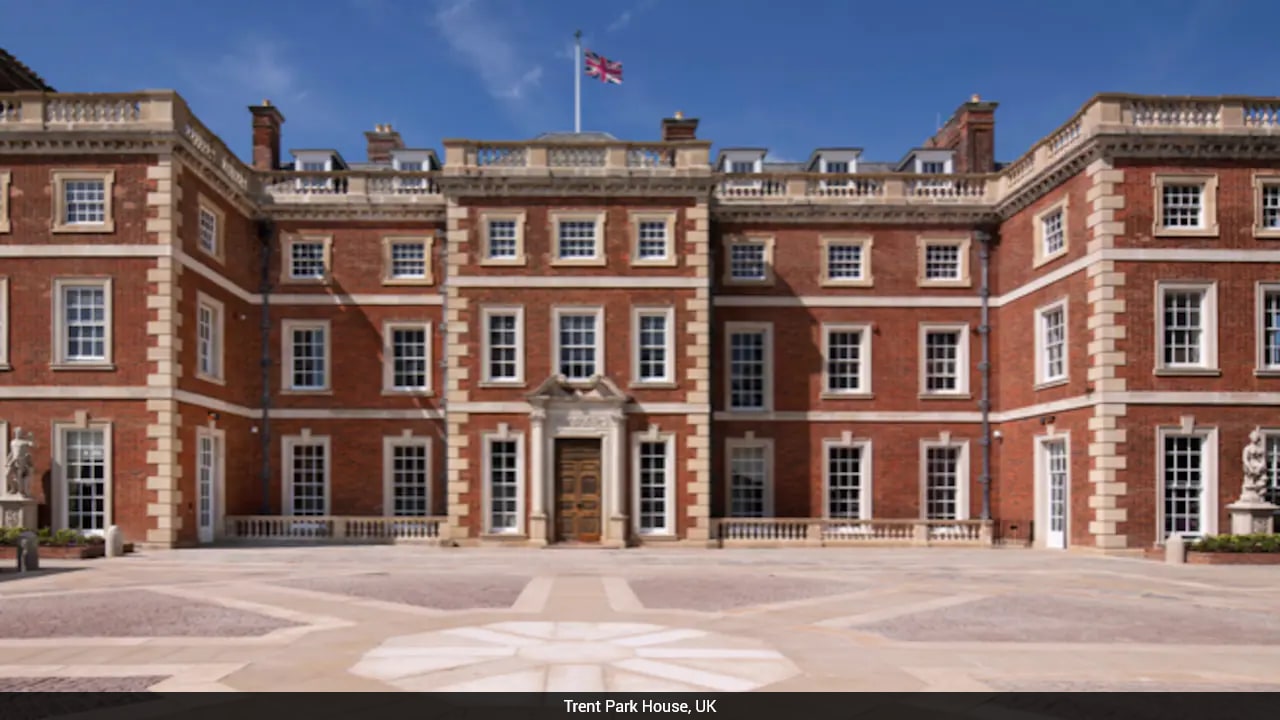
The heritage industry loves a good redemption arc. Take a brick-and-mortar relic, slap a plaque on the masonry, charge twenty-five pounds for admission, and call it preserving history. That is the lazy consensus surrounding Trent Park. Every tourist board and history blogger is currently popping champagne because this historic London estate, once the clandestine listening post for captured German generals, is finally open to the public as a museum.
It is a massive mistake. For an alternative look, read: this related article.
By turning Trent Park into a polite afternoon stroll for history buffs, we have officially sanitized one of the most ruthless psychological operations of the twentieth century. We took a high-stakes counterintelligence crucible and reduced it to a gift shop selling tea towels and replica cipher machines.
I have spent years studying intelligence architecture and the physical spaces where psychological manipulation meets statecraft. I have walked the vaulted corridors of decommissioned listening posts and picked apart the mechanics of how human beings break under pressure. What happened at Trent Park during the Second World War was not a quaint exercise in gentlemanly espionage. It was an industrial-scale psychological harvesting operation disguised as country house hospitality. Further insight on this trend has been shared by Travel + Leisure.
Turning that into a sanitized visitor center strips away the raw, uncomfortable mechanics of what actually happened behind those gates.
The Myth of the Gentle Interrogator
The prevailing narrative about Trent Park is that it was a sort of luxury POW camp for high-ranking Wehrmacht officers. The mythology goes that British intelligence officers—led by the eccentric mastermind Thomas Kendrick—plied captured German generals with fine wine, good food, classical music, and comfortable armchairs. Grateful for the hospitality, the generals supposedly let their guard down and spilled their deepest tactical secrets while strolling through the manicured gardens.
It is a comforting bedtime story. It makes us feel civilized. It frames British intelligence as charming masterclass operators who won the war through sheer polite cunning rather than psychological warfare.
It is also largely misleading.
The comfort at Trent Park was not an act of charity. It was a weaponized environment. The manicured lawns, the well-stocked bars, and the attentive staff were carefully calibrated variables in a massive surveillance matrix. Every square inch of the mansion was bugged. Microphones were hidden in chimneys, behind picture frames, and beneath floorboards. MI19 did not wine and dine German generals because they were nice; they did it to induce a cognitive shift known as conversational compliance.
When you treat a prisoner like an honored guest after months of capture, you induce profound psychological disorientation. The prisoner’s brain scrambles to reconcile the trauma of capture with the unexpected luxury of a stately home. To resolve that dissonance, they talk. They bond with their captors. They seek validation from the very people assigned to destroy them.
Call it what it actually was: state-sponsored psychological exploitation wrapped in chintz.
How the Secret Listening Post Actually Functioned
To understand why turning this place into a standard museum misses the mark, you have to look at the engineering of the operation. Trent Park was not just a house with a few microphones taped to the walls. It was a sophisticated data-processing factory.
The basement housed bank upon bank of sound-recording equipment operated by a specialized unit of mostly Jewish refugees who had fled Nazi Germany. These listeners sat in shifts wearing headphones, transcribing hours of rambling conversations in rapid-fire German military slang.
Let that sink in. The people listening to the architects of the Blitz were refugees whose families were being systematically exterminated by the very men chatting over claret upstairs. The emotional friction of that environment is something a museum audio guide will never capture.
When General Ludwigüther or General Dietrich von Choltitz complained about Hitler's tactical incompetence or bragged about troop movements in Normandy, those secret recordings were rushed to Winston Churchill's war cabinet within hours. It changed the trajectory of major military campaigns, including the D-Day landings and the neutralization of the V-weapon sites.
The museum exhibits display a few headphones and some period furniture. They invite you to look at a reconstructed room and imagine what it felt like. But imagination requires friction, and museums remove all friction. They turn a panoptic surveillance machine into a cozy living room display.
The Sanitization of State Surveillance
We live in an era obsessed with surveillance capitalism and government overreach. People march in the streets over data privacy, facial recognition, and metadata harvesting. Yet, when it comes to the historical roots of state surveillance, we throw a parade.
Trent Park was Bletchley Park's psychological cousin. While Bletchley cracked encrypted ciphers, Trent Park cracked human psychology. Both operations relied on total, unyielding intrusion into human communication without the consent of the subjects.
By wrapping Trent Park in the cozy blanket of heritage tourism, we implicitly endorse the premise that total surveillance is acceptable if the target wears the right uniform. We romanticize the bugging of rooms, the psychological manipulation of prisoners, and the weaponization of hospitality because the victors wrote the history books.
Imagine a scenario where a modern intelligence agency set up a luxury hotel today, invited foreign diplomats to relax, and secretly recorded every pillow talk conversation for policy leverage. We would call it a gross violation of international norms, a dystopian overreach, and a scandal of historic proportions. Yet, when Kendrick and his team did it eighty years ago, we put up a blue plaque and call it heritage.
The double standard is staggering.
What the Tourism Board Refuses to Tell You
If you buy a ticket to the new Trent Park museum, you will get a masterclass in institutional whitewashing. You will see exhibits highlighting the bravery of the staff and the cleverness of the intercepts. You will not see an honest examination of the psychological toll on the monitors in the basement. You will not see a deep dive into the ethics of extracting intelligence through systematic deception.
Museums need foot traffic. Foot traffic requires digestible narratives. Complex ethical dilemmas do not sell tickets in the gift shop; stories of plucky British ingenuity do.
The reality is that intelligence work is dirty, manipulative, and morally ambiguous. Trent Park was a pioneer in weaponized empathy. It proved that you can extract more secrets with a good bottle of wine and a fake friendship than you ever could with a rubber hose. That is a fascinating, chilling insight into human nature. But the moment you turn that site into a family-friendly weekend destination, you neuter the lesson. You transform a monument to psychological manipulation into a monument to interior design.
The Uncomfortable Truth About Intelligence Heritage
We have a bizarre cultural obsession with turning instruments of state power into leisure centers. We turn old prisons into boutique hotels, former military bunkers into escape rooms, and top-secret interrogation hubs into national trust properties.
Why do we do this? Because it defangs the past. It allows us to consume history as entertainment rather than as a warning.
When you visit Trent Park today, you are walking through a monument to institutional deception. The generals who sat in those rooms were monsters of a genocidal regime, yes. But the system built to trap them relied on absolute psychological entrapment. Acknowledge both sides of the ledger. Stop pretending it was just a posh country house where clever chaps had nice chats.
The real legacy of Trent Park is not that the British were exceptionally polite interrogators. It is that human beings—regardless of rank, ideology, or military training—are terrifyingly vulnerable to social engineering when you wrap the cage in velvet.
If you go, do not buy the sanitized narrative sold in the brochure. Look past the restored wallpaper. Listen for the ghosts of the refugees sitting in the basement, typing out the words that sealed destinies while biting their tongues against their own grief.
That is what actually happened inside those walls. The museum won't tell you, but the architecture still remembers. Stop celebrating the preservation of a spy station and start reckoning with what it teaches us about how easily human beings can be played.