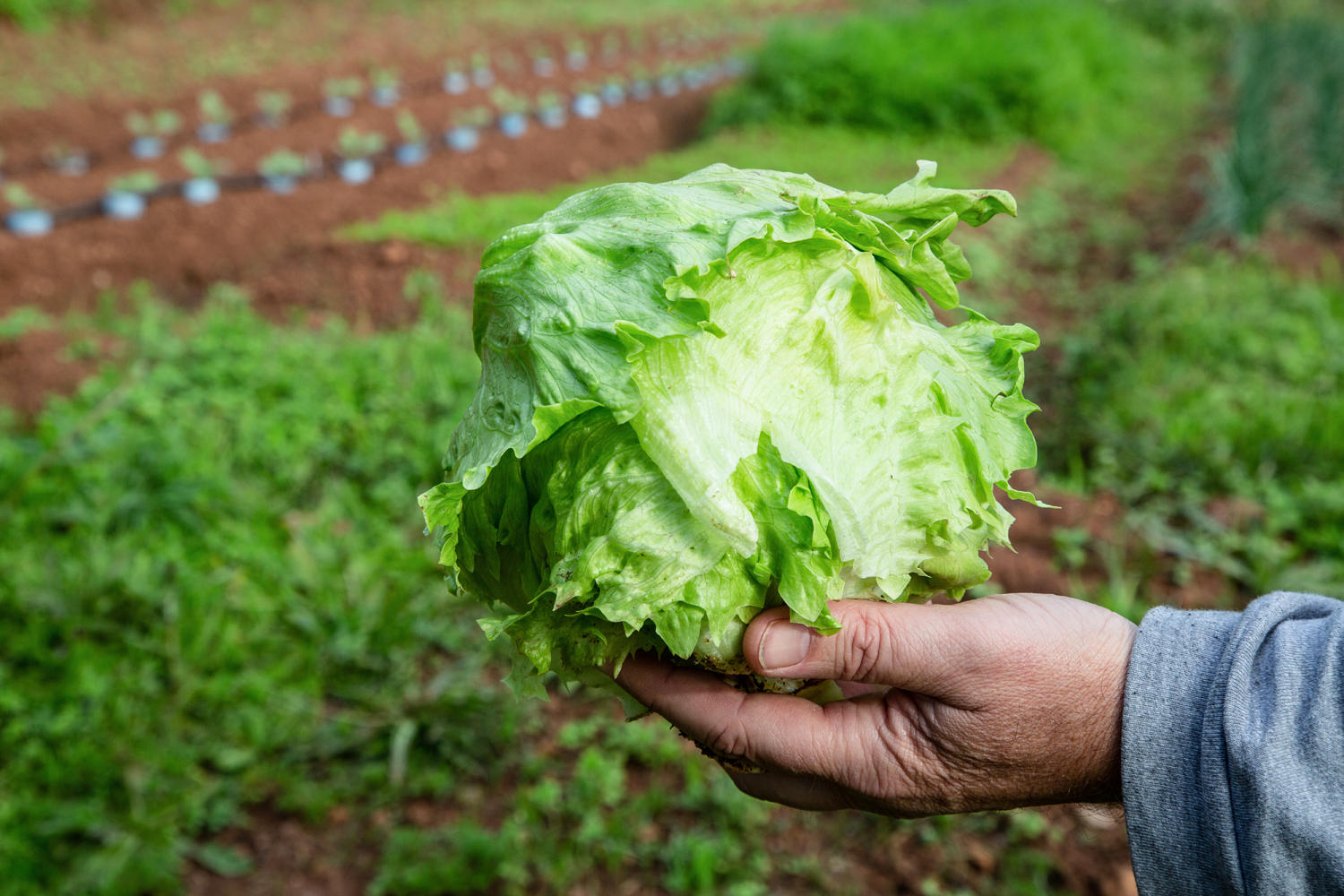
The mid-summer surge of Cyclospora infections tearing through the American Midwest is far from contained, despite official assertions attempting to calm a rattled public. Michigan alone has absorbed a staggering shockwave, logging over a thousand new cases in a single weekend as part of a sprawling multi-state outbreak linked directly to iceberg lettuce harvested in central Mexico and processed by agricultural giant Taylor Farms. While corporate statements emphasize stringent safety audits and federal agencies point toward voluntary recalls, the reality on the ground reveals a fragile produce supply chain struggling to intercept a resilient parasite before it reaches consumer plates.
Understanding why this outbreak exploded requires looking past simple logistics and examining the biology of the pathogen itself. Cyclospora cayetanensis is not a standard bacterium like E. coli or Salmonella. It is a microscopic single-celled parasite that thrives on fresh produce, notoriously difficult to detect and remarkably impervious to routine wash cycles. When commercial operations pump millions of pounds of shredded iceberg lettuce through centralized washing facilities, a single upstream contamination event at an agricultural water source or field station in central Mexico can disperse microscopic oocysts across thousands of retail packages and fast-food supply chains spanning half the country.
The Anatomy of a Supply Chain Collapse
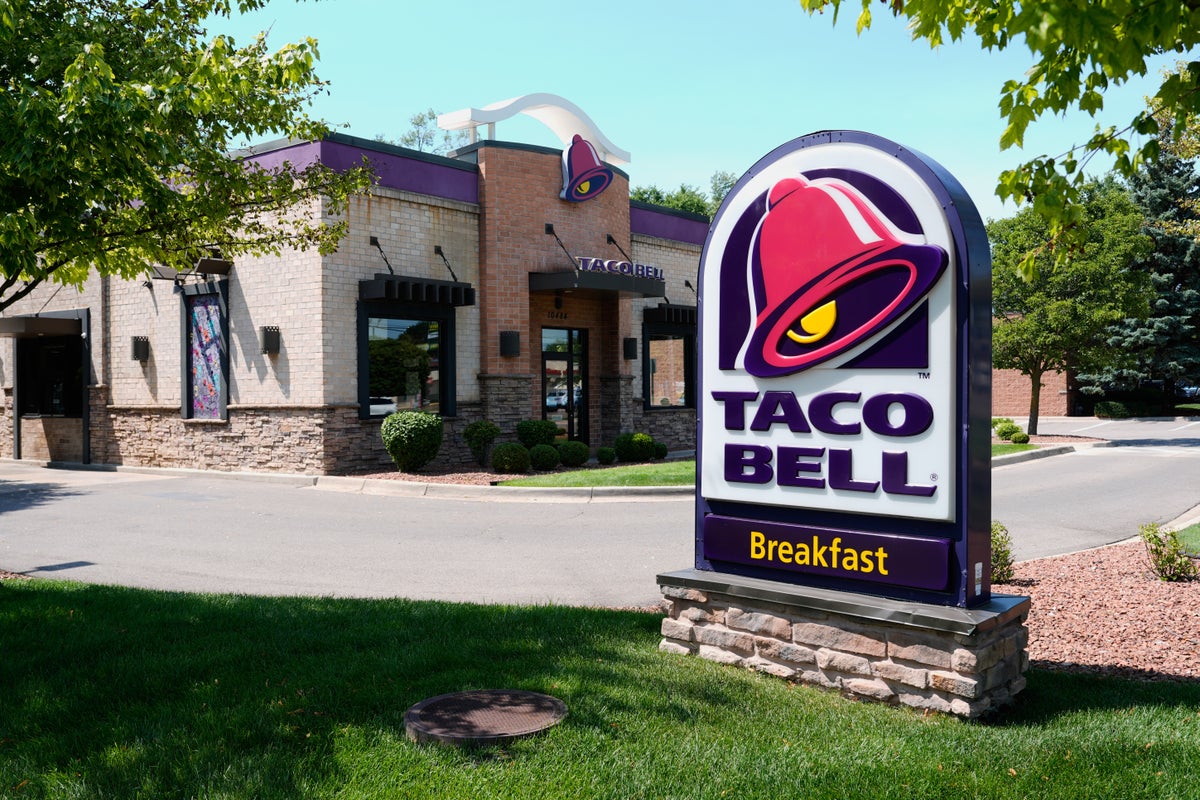
The current contamination vectors trace back through a complex web of distribution networks involving retail giants like Walmart—which pulled Marketside-brand iceberg salads and shredded lettuce—and massive foodservice distributors supplying regional restaurant chains such as Taco Bell. Investigators narrowed the focus after noticing a heavy statistical correlation in detailed patient interviews conducted by the Michigan Department of Health and Human Services. Over ninety percent of interviewed patients presenting with severe gastrointestinal distress reported consuming iceberg lettuce prior to onset.
Yet, the timeline of corporate response and regulatory action highlights structural vulnerabilities in modern food safety enforcement.
- The initial wave of illnesses began tracking upward as early as mid-May.
- Distribution of questionable product continued unchecked through late June and mid-July.
- Voluntary recalls by Taylor Farms de Mexico only materialized on July 17, weeks after epidemiological signals flashed red.
This lag exposes a dangerous blind spot. By the time traceback data coalesces into a cohesive public warning, perishable items with extended shelf lives—bearing "Best if Used By" dates stretching into early August—are already sitting in home refrigerators or commercial walk-ins across dozens of states.
Political Friction and Accountability
As case counts climb past historical thresholds, the crisis has escalated from a public health emergency into a political flashpoint. Congressional inquiries are probing whether major agricultural players utilized political access to shape the federal footprint of the investigation. When multibillion-dollar food conglomerates manage safety standards through internal, independently audited protocols that still fail to intercept persistent parasites, public trust evaporates.
Critics argue that current federal oversight relies too heavily on voluntary industry compliance rather than aggressive preventative mandates. When an enterprise generates billions in annual revenue, multi-million dollar investments in food safety can easily devolve into checkbox compliance. They do not account for the systemic realities of cross-border agricultural sourcing, where water infrastructure and sanitation standards vary wildly between growing regions.
Navigating the Contamination Risk
For consumers and commercial kitchen operators alike, standard kitchen sanitation offers a false sense of security against Cyclospora. Rinsing lettuce under a standard tap will not dislodge or destroy the parasite. Ingesting contaminated greens means enduring weeks of debilitating fatigue, explosive watery diarrhea, severe cramping, and dramatic weight loss.
Public health authorities now advise discarding any implicated product outright or ensuring that leafy greens are cooked thoroughly to internal temperatures exceeding 158 degrees Fahrenheit, rendering raw salad formats an unnecessary gamble during peak transmission windows. The illusion that a simple label check or a quick cold-water rinse provides absolute protection is a hazard in its own right.
Until structural changes mandate more rigorous pre-market testing and transparent supply chain mapping, consumers bear the ultimate burden of risk every time they open a bag of pre-washed greens.