The debate over who should foot the bill for Prince Harry's protection while visiting Britain is less about personal finance and more about a rigid administrative system that refuses to adapt. For years, the friction between the Duke of Sussex, the Home Office, and the Executive Committee for the Protection of Royalty and Public Figures has created a dangerous operational stalemate. Public discourse often reduces this complex standoff to a simple question of personal wealth or entitlement, ignoring the structural realities of state-managed security.
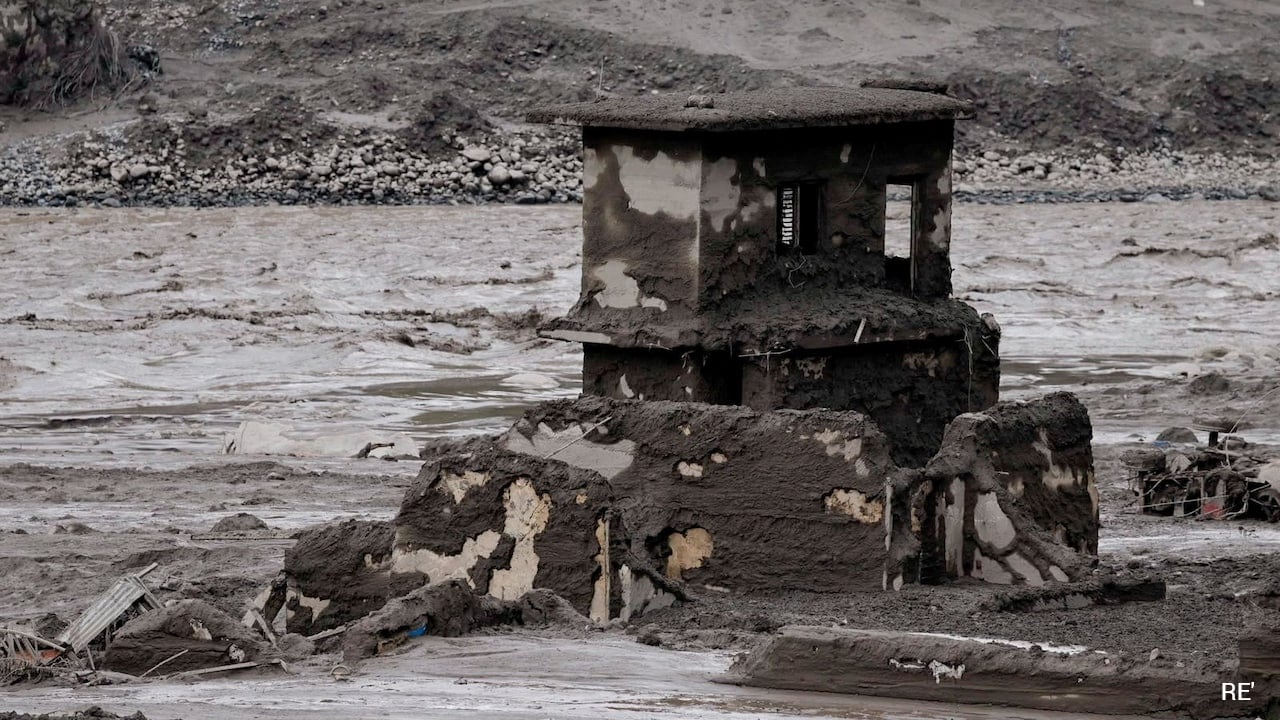
When public funding was stripped following his step back as a working royal, the narrative immediately pivoted to affordability. Critics argue that a multi-millionaire can easily absorb the cost of private bodyguards. Yet, this viewpoint fundamentally misunderstands what state-level protection actually entails. Private security contractors in the United Kingdom do not possess the legal authorities, intelligence access, or armed capabilities of the Metropolitan Police's Royalty and Specialist Protection command. They cannot direct traffic, compel cooperation from local jurisdictions, or access real-time threat matrix data generated by counter-terrorism units. Meanwhile, you can find related developments here: What the Himalayan Floods Reveal About Our Blind Spots in Tibet.
The core issue is threat architecture, not an invoice. Prince Harry's risk profile remains elevated due to his birth and global visibility, regardless of whether he draws a salary from the Sovereign Grant. Treating executive protection as an employee perk rather than an objective security necessity creates an arbitrary binary. State protection is traditionally evaluated on risk, not employment status. By tying armed security exclusively to official duties, the committee established a policy that struggles to account for high-profile individuals whose risks persist outside official employment.
Simultaneously, the proposition that King Charles should personally fund these security operations introduces severe constitutional hazards. Monarchy finances are heavily scrutinized, and private financing of state security personnel would blur the lines between sovereign assets and family allowances. It sets a dangerous precedent where private wealth dictates state resource allocation, compromising the independence of public safety decisions. Mixing private family funds with police deployment risks dragging the Crown directly into operational policing choices, something modern constitutional frameworks actively prevent. To explore the bigger picture, we recommend the recent report by BBC News.
The legal battles fought in London courts reveal a system gridlocked by procedure. Judges have previously rejected proposals for the Duke to privately fund Metropolitan Police officers, with government lawyers arguing that elite state officers cannot be hired out as private bodyguards for wealthy individuals. This creates an absolute paradox. The state refuses to provide protection because he is no longer a working royal, yet simultaneously refuses to let him pay for equivalent state-backed protection because officers are not for hire. He is left in a perpetual security vacuum.
Resolution will require dismantling rigid departmental dogmas. Until the Home Office separates threat-based assessments from employment status, high-profile security disputes will remain trapped in this counterproductive loop. Real safety cannot be traded away for bureaucratic convenience.
Royal Protection Expert BLASTS Harry's Security Row
An expert breakdown explains the financial estimates and operational realities behind the ongoing debates over royal protection details.