A diagnosis of cystic fibrosis used to be a slow, suffocating death sentence. Then came a triple-combination therapy that literally repaired the broken cellular machinery of patients, but it arrived with a staggering price tag of more than three hundred thousand dollars a year. Unable to afford this ransom, a desperate global network of patients and parents discovered a legal loophole. By utilizing personal importation laws, they are currently bypassing pharmaceutical giants to source generic versions of the drug from South America and Asia for a fraction of the cost, completely upending traditional medical supply chains.
This is not a story of illicit street narcotics, but rather a sophisticated, patient-led resistance against corporate monopolies. At the center of the conflict is a breakthrough drug combination known brand-names as Trikafta, manufactured by Vertex Pharmaceuticals. For those with the specific genetic mutations that cause cystic fibrosis, the medication is nothing short of restorative. It clears lungs, stops chronic infections, and adds decades to life expectancies. Yet, because of its exorbitant cost, the drug remains entirely out of reach for thousands of patients living in countries where state health systems refuse to pay the price, or where insurance companies exploit bureaucratic delays to deny coverage.
The Mechanics of the Underground Buyers Club
When a system fails completely, people build their own. For a family managing a terminal illness, waiting for government price negotiations to conclude is a luxury they do not possess. In response, informal organizations known as buyers clubs have materialized on encrypted messaging apps and private internet forums. These groups do not operate for profit. Instead, they function as informational clearinghouses, guiding terrified parents through the complex legal frameworks required to import unapproved generic medications from foreign jurisdictions.
The process relies on a specific legal carve-out present in the customs regulations of many nations. Under these personal importation policies, a citizen can legally import a three-month supply of an unapproved or unavailable medication for their own personal use, provided they have a valid prescription from a licensed local physician. It is a razor-thin legal tightrope. The medicine cannot be resold, it cannot be distributed to others, and it must pass through customs accompanied by meticulous medical documentation.
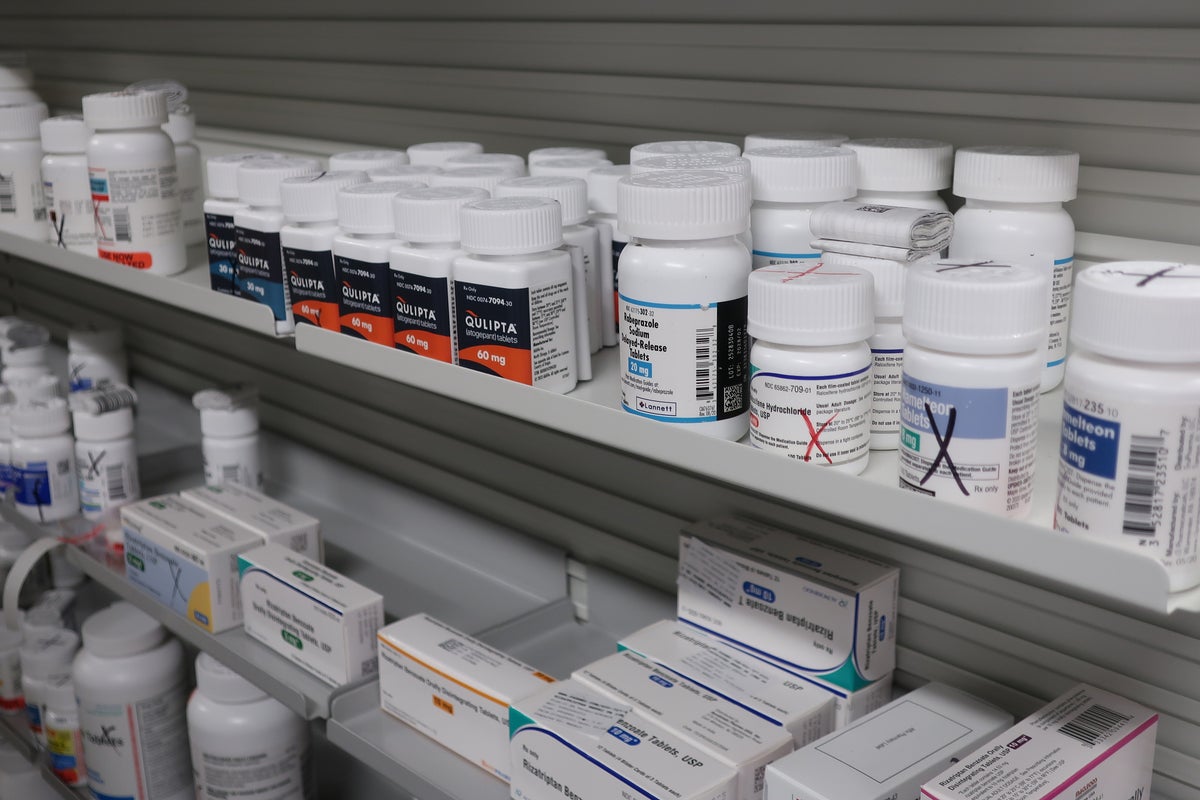
Consider how this operates in practice for a patient in the United Kingdom or South Africa. A local doctor writes a prescription for the generic equivalents of elexacaftor, tezacaftor, and ivacaftor. The patient then connects with a specialized supplier or pharmacy in Argentina, where a local pharmaceutical manufacturer named Gador produces a generic version called Trixacar. The cost of the Argentine generic hovers around less than ten percent of the American brand-name price. The shipment is dispatched via international couriers, crosses borders, and undergoes inspection by customs agents who verify the paperwork before releasing the package to the patient's doorstep.
This parallel supply chain requires immense logistical coordination. Patients must navigate changing import duties, potential customs seizures, and the constant threat of shipping delays that could interrupt their daily treatment regime. A missed dose means the body immediately reverts to its previous state of decline. Thick, sticky mucus begins to accumulate in the lungs and pancreas once more, restarting the clock on permanent organ damage.
The Patent War and the Argentine Anomaly
To understand why this loophole exists, one must look at the fractured state of international intellectual property law. Vertex Pharmaceuticals holds aggressive, multi-layered patent protections across North America and Europe, granting them an absolute monopoly that allows them to dictate pricing without fear of competition. However, their legal grip is far less secure in developing economies.
Argentina has historically maintained unique standards regarding pharmaceutical patents. The country's legal framework often rejects patent applications for incremental adjustments or combinations of existing chemical compounds, viewing them as attempts to artificially extend monopolies. Because Vertex failed to secure or enforce the same sweeping protections in Buenos Aires that it enjoys in Washington, local manufacturers were legally permitted to reverse-engineer the triple-combination therapy.
This has created a bizarre, geographically dependent reality. The exact same chemical compounds that keep a human being breathing are treated as a multi-million-dollar luxury asset in New York, while being manufactured as a standard generic commodity in South America. The existence of the Argentine generic proved that the high cost of the drug was not a reflection of manufacturing difficulty, but rather a deliberate strategy of maximizing shareholder returns through artificial scarcity.
Pharmaceutical executives frequently defend these pricing models by pointing to the staggering cost of failure in drug development. They argue that the profits from a successful drug must pay for the hundreds of failed molecules that never make it out of the laboratory. Without these massive financial incentives, they claim, innovation would grind to a halt, and future life-saving treatments would never be discovered.
The Public Funded Cures Sold Back for a Premium
That conventional defense begins to crumble when subjected to investigative scrutiny. The foundational science that led to the discovery of the cystic fibrosis gene and the development of modern modulators was heavily subsidized by public taxes and charitable donations.
The Cystic Fibrosis Foundation, a non-profit charity funded by the public, provided hundreds of millions of dollars in early-stage funding to Aurora Biosciences, the company that was later acquired by Vertex. In essence, patients, families, and taxpayers bore the financial risk of the early, highly volatile stages of research. When the science proved viable, the commercial rights were consolidated into a private monopoly that subsequently priced those very same donors out of the market.
This reality fuels the anger within the global buyers clubs. Patients do not view themselves as intellectual property thieves. They view themselves as reclaiming a medical advancement that their community helped pay to discover.
[Public & Charitable Funding] -> Risks Early Research
       ↓
[Corporate Acquisition]       -> Secures Monopoly Patents
       ↓
[High-Price Strategy]         -> Excludes Lower-Income Patients
       ↓
[Underground Buyers Clubs]    -> Sources Legal Foreign Generics
The corporate strategy also involves blocking generic access even in nations where the brand-name drug is not actively sold. In South Africa, Vertex faced intense legal backlash after registering patents for its cystic fibrosis drugs but choosing not to commercially launch them in the country for years. This effectively created a dog-in-the-manger scenario. They would not sell the drug to South Africans, yet their patents legally barred anyone else from selling a cheaper alternative. It took a historic legal challenge filed by patients and advocacy groups to demand compulsory licensing, a mechanism that allows a government to override a patent during a public health crisis.
The Medico Legal Dilemma for Physicians
For doctors specializing in cystic fibrosis, the rise of the underground generic pipeline has created a profound ethical crisis. Medical professionals are bound by the oath to do no harm, but they are also bound by strict regulatory environments governed by state medical boards and hospital policies.
A clinician cannot legally recommend that a patient purchase unapproved medications from an overseas website. Doing so could result in the revocation of their medical license or expose them to severe malpractice liability. Yet, watching a patient's lung function deteriorate by two percent every month because they cannot afford a brand-name drug is its own form of harm.
Many doctors have chosen to navigate this gray zone through a policy of quiet acquiescence. They will write the necessary chemical prescription using the generic names of the compounds, fully aware of where that prescription will be filled. When the patient returns to the clinic months later with clear lungs and a box of Argentine pills, the doctor documents the clinical improvement without asking too many questions about the shipping label.
Independent laboratories funded by patient alliances have quietly analyzed these imported generic tablets. The chemical profiles consistently show that the active ingredients match the brand-name drug in purity and bioequivalence. But this empirical validation does not erase the inherent dangers of an unregulated supply chain. If the market shifts to less reputable suppliers in regions with weak regulatory oversight, patients could easily fall victim to counterfeiters distributing inert chalk or contaminated pills. Desperation is a powerful motivator, but it also makes people incredibly vulnerable to exploitation.
Corporate Retaliation and the Fragility of the Loophole
Monopolies rarely tolerate leaks in their revenue streams. While personal importation for individual use represents a small fraction of the global market, the pharmaceutical industry views these buyers clubs as a dangerous precedent that threatens the integrity of their pricing structures worldwide.
The response from major drug manufacturers typically involves quiet, aggressive lobbying aimed at tightening border controls and restricting personal import laws. By pressuring international trade bodies and national customs agencies to classify generic imports as counterfeit goods or intellectual property violations, corporations can effectively shut down these lifelines without ever having to publicly debate the ethics of their pricing models.
A single shift in customs policy or an update to a bilateral trade agreement could dismantle the entire pipeline overnight. Patients who rely on these networks live in a state of chronic anxiety, knowing that their survival depends on the bureaucratic inertia of customs officials who choose not to scrutinize every package arriving from South America. Many families hoard several months of medication in their homes, treating the small plastic bottles of generic pills like bars of gold hidden away in closets.
The current situation is unsustainable, serving as a stark indictment of a global health system that prioritizes corporate patent enforcement over human survival. Until international frameworks evolve to balance the reward for corporate innovation with the fundamental right to access life-saving medicine, the underground pipeline will remain the only option for those left behind by the market. The patients running these networks will continue to navigate the shadows of international law, proving that when the choice is between breaking a patent or burying a child, the patent will lose every single time.