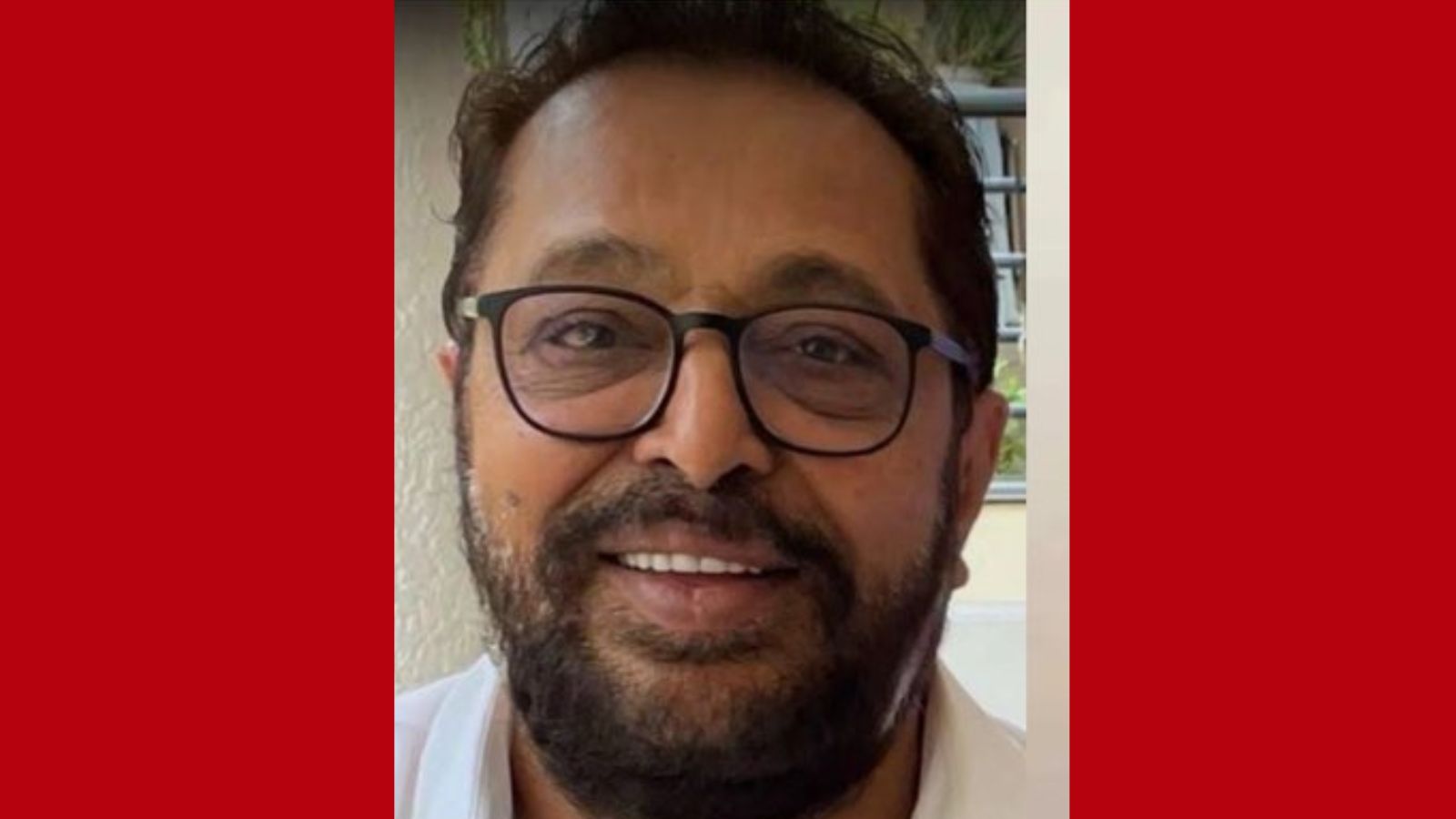
An Indian-origin diamond trader was released in Mali after a staggering Rs 44 crore ransom was funneled through underground networks. The operation highlights a much larger, systemic crisis. When an executive or merchant vanishes into the Sahel, official diplomatic channels rarely secure their release. Instead, a parallel economy of crisis management firms, local brokers, and militant financiers swings into action.
The mechanics of this multi-million dollar transaction reveal how insurgent groups operating across Mali, Burkina Faso, and Niger sustain their operations. Counter-terrorism financing experts have long warned that kidnapping remains a primary liquidity engine for extremist factions affiliated with Al-Qaeda and the Islamic State. When families or corporate entities wire tens of crores across international borders to secure the freedom of a hostage, they are feeding a cycle that guarantees further abductions.
Yet, telling a desperate family to wait for a state rescue is politically untenable. Governments publicize zero-ransom policies while private insurers and desperate relatives quietly negotiate. Understanding how this specific trader came to be targeted in a country fractured by civil conflict and military coups requires tracing the intersection of artisanal diamond mining, transnational supply chains, and the collapse of regional security frameworks.
The Fragile Ecosystem of Sahelian Gemstone Trade
Mali is not traditionally viewed as a diamond powerhouse on the scale of Botswana or the Democratic Republic of Congo. However, artisanal and small-scale diamond mining thrives across parts of West Africa, attracting independent merchants, speculators, and traders seeking high-value, easily transportable commodities. For foreign nationals operating in these regions, the risk profile is extreme.
Diamonds are portable wealth. A pocketful of rough stones can represent millions of dollars in value, making traders prime targets for opportunistic criminal syndicates and opportunistic armed groups. Security in Mali deteriorated sharply following the departure of French forces and United Nations peacekeepers, leaving vast swaths of territory under the control of violent extremist organizations or heavily armed local militias.
Merchants traveling to source stones often rely on local fixers and informal security arrangements. When those networks fail or switch allegiances, the traveler becomes a high-value hostage overnight. The extraction of a ransom worth tens of crores of rupees points to a sophisticated logistics chain capable of handling massive cash transfers or cryptocurrency conversions in jurisdictions with weak anti-money laundering controls.
The Anatomy of a Forty-Four Crore Extraction
How does a family amass and deliver a ransom of Rs 44 crore under the watchful eye of international intelligence agencies? The process is rarely straightforward. It involves a web of intermediaries, including local elders, rogue security contractors, and underground hawala networks operating outside traditional banking systems.
Families facing such crises typically hire private intelligence and negotiation firms staffed by former intelligence officers or special forces operators. These firms do not deploy combat units for rescue missions in hostile territory. Such operations carry a catastrophic failure rate. Instead, they act as communication channels, vetting intermediaries and verifying proof of life.
The negotiation phase is a brutal psychological war. Kidnappers frequently shift communication channels, demand proof of compliance, and escalate financial demands if they sense panic. The logistics of moving cash in regions controlled by insurgents require physical couriers who understand the terrain, checkpoints, and tribal dynamics of the Sahel.
Once the funds are paid, the release is orchestrated quietly. The hostage is often dropped off at a remote location near a border or a military outpost. The silence that follows the release is strategic. Governments prefer low profiles to avoid encouraging copycat abductions, while corporations and families want to protect remaining assets and personnel in the region.
The Geopolitical Fallout of Ransom Economies
Paying multi-million-dollar ransoms creates a perverse economic incentive. Extremist groups calculate the cost-benefit ratio of abductions versus direct combat operations. Kidnapping requires fewer resources, carries lower military risk, and yields exponentially higher returns than attacking fortified military positions.
International bodies, including the United Nations Security Council, repeatedly pass resolutions condemning the payment of ransoms to terrorist organizations. Major economic powers, particularly the United States and the United Kingdom, maintain strict official prohibitions against paying ransoms. They argue that state compliance or tacit approval funds the very weapons used against international troops and local civilians.
However, countries whose citizens are targeted frequently adopt a pragmatic approach. When a life is on the line, theoretical geopolitical doctrines give way to raw human pressure. This divergence in policy creates friction between Western allies and nations whose citizens find themselves frequently working in high-risk zones across Africa and the Middle East.
The Shifting Risk Matrix for Transnational Merchants
The kidnapping of the Indian-origin trader serves as a stark warning for expatriates and business owners operating in unstable resource-rich zones. Traditional security planning—relying on local police, basic GPS trackers, or informal local alliances—is no longer sufficient.
Corporate risk management must evolve to match the sophistication of modern insurgencies. Insurers are tightening policy language, raising premiums, and demanding rigorous threat assessments before issuing kidnap and ransom coverage for high-risk jurisdictions. Many firms are simply pulling out of the Sahel entirely, ceding the field to risk-tolerant traders willing to gamble security for high profit margins.
The illicit trade in gems, minerals, and hydrocarbons will continue to draw adventurous capital. As long as fortunes can be made in the shadow of conflict zones, individuals will take the risk. But the cost of failure has never been higher, measured not just in tens of crores of rupees, but in the sustained financing of the very instability that traps them