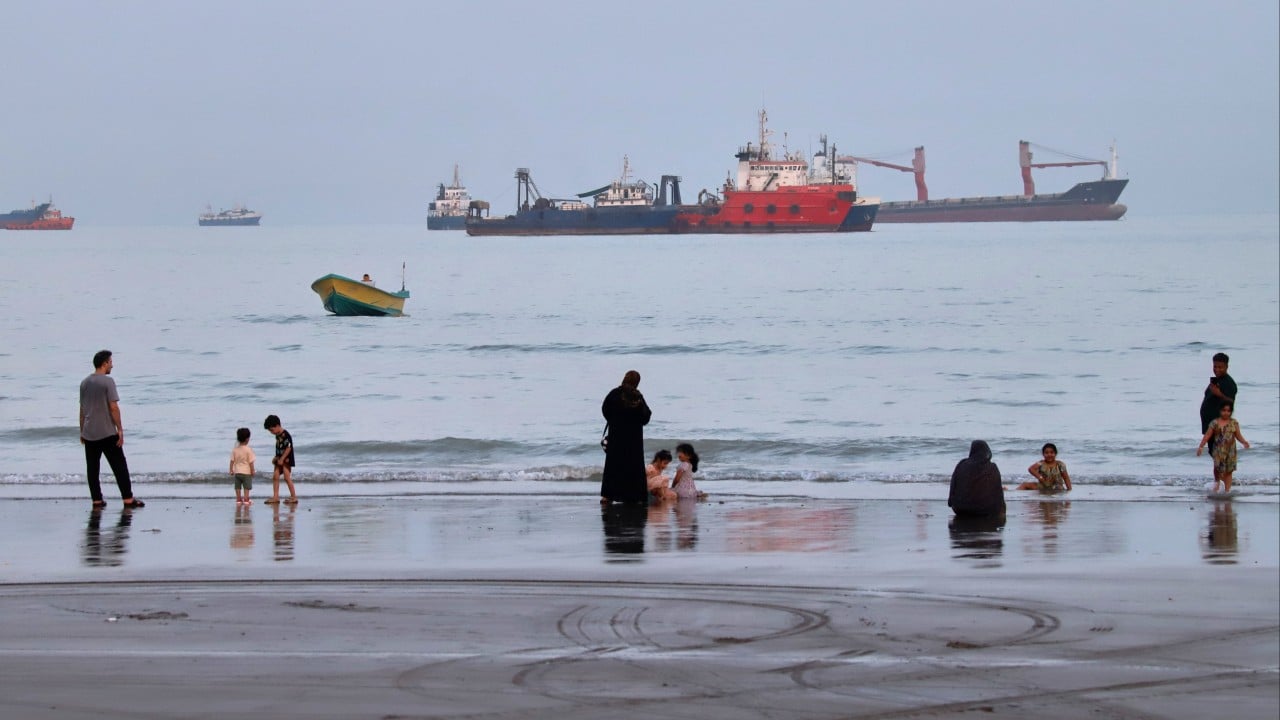
Borders are rarely just lines drawn on parchment. They are living, breathing friction points where two worlds rub against each other until sparks fly. Stand at the crossing point in Ceuta, the Spanish enclave clinging fiercely to the northern coast of Africa, and you can smell the salt of two different seas mixing with the exhaustion of travelers who thought paperwork would protect them from reality.
Recently, that friction intensified.
Spain introduced sudden border controls for travelers arriving from Italy, mirroring a move Rome had already enacted on its own frontiers. To a bureaucrat sitting in a climate-controlled office in Madrid or Rome, this is simply policy harmonization. A reciprocal adjustment. A diplomatic chess move played with stamps and passport numbers.
To the human being standing in line with a suitcase that has lost a wheel, it feels entirely different.
Consider Marco, a fictional merchant traveler whose journey embodies the quiet anxiety of modern European transit. Marco travels frequently between Milan and the southern Spanish edges for work, carrying little more than a laptop, a worn leather jacket, and the quiet assumption that the Schengen Area meant what it said on the signs. For decades, the promise of European integration was supposed to be simple. You pack your bag. You cross a bridge. You keep moving.
Then the rules shift beneath your feet.
Border guards do not shout when policy changes. They simply ask for documents they did not require yesterday. They look twice at a passport that was good enough forty-eight hours ago.
Why did this happen?
Diplomacy is rarely spontaneous. When Rome tightened its borders, it signaled a growing nervousness about security flows, migration patterns, and the porous nature of regional transit hubs. Governments watch each other like hawks. If one nation decides to screen arrivals more closely to monitor movement from specific corridors, neighbors quickly feel exposed. The logic of modern border management dictates that if you do not match your neighbor's security posture, you become the path of least resistance.
Water flows downhill. Security measures flow toward uniformity.
Spain responded because inaction carries a political cost. In the delicate ecosystem of European travel regulations, appearing lax is a risk no administration is willing to take. And so, the checkpoint in Ceuta transforms. Travelers coming from Italian soil find themselves funneled into auxiliary queues, subjected to extra scrutiny, turning a routine transit into an interrogation of intent.
It is easy to view this through the cold lens of political science. We can talk about sovereignty, bilateral agreements, and the legal limits of freedom of movement within regional blocs. We can quote articles and cite treaties.
Yet, numbers on a customs report fail to capture the heavy silence of a delayed traveler watching the afternoon sun slip below the Mediterranean horizon, wondering if their journey will be cut short by an administrative technicality.
Borders are promises made by states to keep things orderly. Every time those borders tighten, the promise gets a little harder to keep.
The checkpoints remain active. The stamps keep falling. And somewhere between Rome and Ceuta, the invisible line grows a little thicker, reminding everyone who crosses it that freedom of movement is not a permanent fixture of nature. It is a fragile agreement, vulnerable to the shifting winds of political weather.