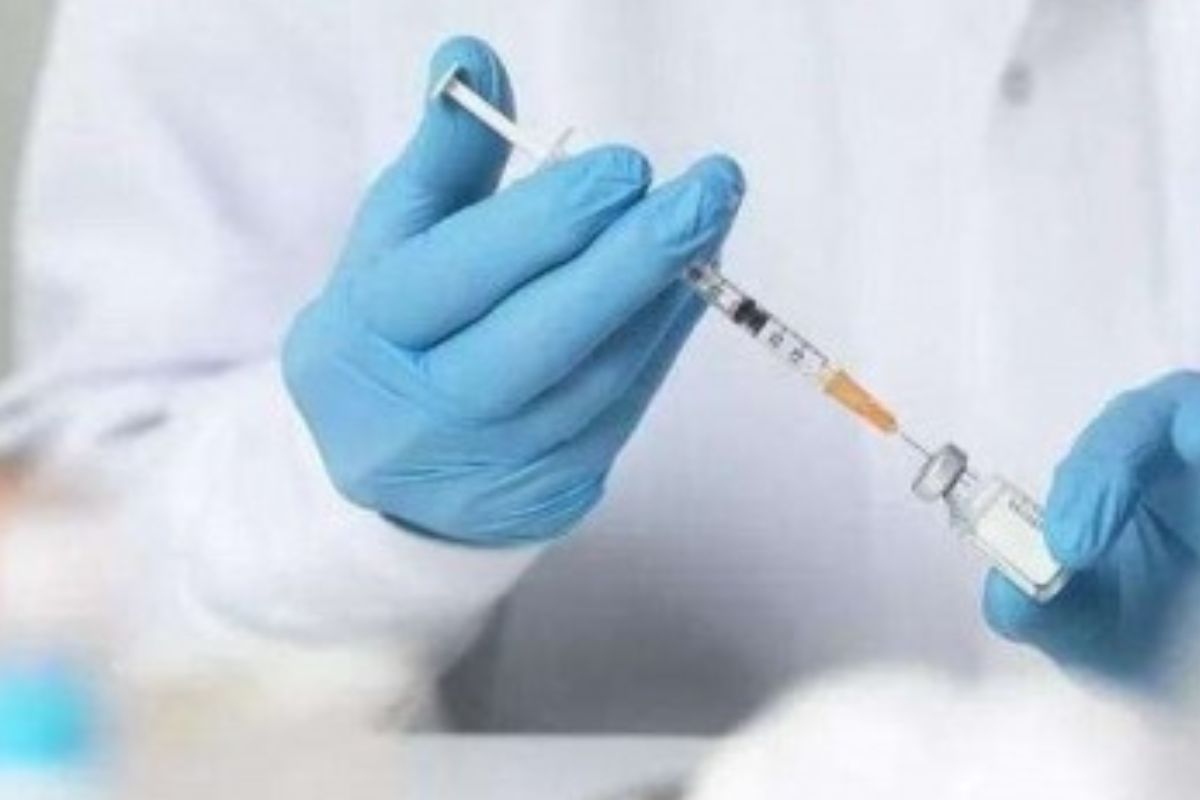
England is currently facing a sharp, localized spike in invasive meningococcal disease. While the raw data might seem modest—34 laboratory-confirmed cases in the latest reporting window—the underlying trend suggests a breakdown in the public health shield that has protected the country for decades. This is not a random cluster. It is a signal of shifting bacterial patterns and a direct consequence of a massive drop-off in routine adolescent vaccinations.
When people hear "meningitis," they often think of a relic from the past or a rare tragedy in a university dorm. That complacency is dangerous. This recent uptick, concentrated largely in the West Midlands and parts of London, involves several distinct strains, including the aggressive MenW and the increasingly common MenB. These are not just statistics on a dashboard; they represent a failure to maintain the "herd immunity" required to keep these pathogens in the shadows.
The Mechanics of a Resurgence
To understand why 34 cases matter, you have to understand how the bacteria travels. Neisseria meningitidis often lives harmlessly in the back of the throat of healthy carriers. Approximately one in ten adults carries it without ever knowing. In teenagers, that carriage rate can climb as high as 25 percent.
The bacteria only becomes a "case" when it crosses the mucosal barrier and enters the bloodstream. This is known as Invasive Meningococcal Disease (IMD). Once there, it can cause meningitis—the inflammation of the lining around the brain and spinal cord—or septicaemia, which is blood poisoning. The latter is often the more lethal of the two, leading to rapid organ failure and limb loss.
The current rise is particularly concerning because it follows a period of artificial suppression. During the lockdowns of 2020 and 2021, social distancing effectively hit the pause button on bacterial transmission. As society reopened, the "immunity gap" became a reality. We are now seeing the result of a population that hasn't been exposed to normal levels of environmental bacteria, combined with a significant dip in school-based vaccination programs.
The Vaccination Void
The backbone of England's defense has been the MenACWY vaccine, typically administered to teenagers in Year 9 or 10. This vaccine doesn't just protect the individual; it stops the "carriage" of the bacteria in the throat. By vaccinating 14-year-olds, the NHS effectively protects the entire community, including infants and the elderly, by cutting off the primary transmission route.
The data is sobering. National uptake for the MenACWY vaccine has slipped below the critical 80 percent threshold in several regions. In some inner-city boroughs, the numbers are even lower. When coverage drops, the bacteria finds more hosts. It moves through classrooms and social gatherings, eventually finding its way to someone whose immune system cannot fight it off.
Health officials have noted that many of the 34 current cases involve individuals who were eligible for the vaccine but never received it. This isn't just about "vaccine hesitancy" in the political sense. It is a logistical failure. School nursing teams are stretched thin, and many parents simply forgot to follow up on appointments missed during the pandemic years.
Identifying the Stealth Symptoms
The tragedy of meningitis is its mimicry. In its early stages, it looks like a bad flu or a severe hangover. A patient might have a fever, a headache, and feel generally unwell.
But there are "red flag" symptoms that diverge from a common virus.
- Photophobia: A physical pain when looking at bright lights.
- Neck Stiffness: An inability to touch the chin to the chest.
- Non-blanching rash: Small red or purple spots that do not disappear when pressed with a glass tumbler.
By the time the rash appears, the patient is often in a state of advanced medical emergency. The bacteria can kill within four hours of the first major symptoms. This speed is why a cluster of 34 cases sends shockwaves through the UK Health Security Agency (UKHSA). Each case represents a race against a clock that moves faster than the average emergency room triage system.
The Shift in Strains
The UK has historically been a world leader in meningitis prevention. We were the first to introduce the MenB vaccine for infants in 2015. However, the MenB vaccine is not part of the adolescent booster program. This leaves a gap in older teenagers and young adults who were born before the infant program started.
We are seeing a "serogroup shift." For a long time, MenC was the primary threat. Once the vaccine neutralized it, MenW—a particularly virulent strain—began to rise. Now, we are seeing a resurgence of MenB in the 15-to-24 age bracket. This demographic is the most social, the most mobile, and the most likely to share drinks, cigarettes, or vapes, all of which facilitate the exchange of respiratory secretions.
The Economic and Human Cost
A single case of invasive meningitis costs the NHS significantly more than the price of vaccinating an entire school year. Beyond the immediate intensive care costs, the long-term impacts are devastating. Around 10 percent of those who survive suffer from permanent disabilities, including hearing loss, brain damage, or amputations.
The psychological toll on a community when a healthy teenager dies within 24 hours of feeling "a bit under the weather" is immeasurable. It shatters the sense of security that modern medicine provides. The current cluster in England is a reminder that our safety is a high-maintenance achievement, not a natural state of being.
The Immediate Need for Action
The UKHSA is currently tracing contacts for all 34 confirmed cases, providing preventative antibiotics to those in close proximity to the patients. But reactive measures are a sticking plaster on a larger wound.
The primary solution is a massive, coordinated catch-up campaign for the MenACWY vaccine. GPs need to audit their records and actively call in young adults up to the age of 25 who missed their school-based doses. University students, especially those starting their first year, are at the highest risk and must be the priority.
If you are a parent of a teenager or a young adult yourself, do not wait for a letter that might never come. Check your immunization record today. If you have missed the MenACWY dose, you are eligible for a free catch-up on the NHS until your 25th birthday.
The bacteria is moving. The only way to stop it is to close the door before it finds another host.
Check your vaccine status now by logging into the NHS App or calling your local GP surgery.