Millions of people tuned in daily to watch a pile of twigs in the San Bernardino Mountains. They didn't watch for a Hollywood drama or a high-stakes sports match. They watched a bald eagle named Jackie.
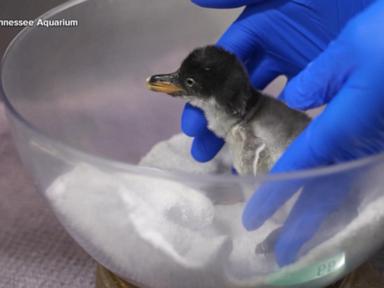
When Jackie died at the Ojai Raptor Center, the internet didn't just scroll past a wildlife headline. People felt it. Her journey from the first locally hatched eaglet in modern Big Bear history to an international icon rewrote how humans connect with the natural world. Also making waves recently: Why the Tennessee Aquarium Penguin Baby Boom Is Winning Summer.
The Digital Life of a Wild Raptor
Most wild animals live and die in anonymous obscurity. Jackie broke that rule. Thanks to the Friends of Big Bear Valley and their 24/7 livestream camera, her entire adult life played out in high definition.
You watched her defend the nest against predators, endure brutal mountain blizzards, and partner with Shadow to raise successive generations of chicks. People set alarms for pip watch. They tracked her egg-laying habits with the intensity of meteorologists. Further insights on this are covered by Associated Press.
This hyper-visibility created a strange paradox. Jackie remained completely wild, hunting fish, fighting off rival eagles, and ignoring the camera lens entirely. Yet, to the millions watching from urban apartments across the globe, she felt deeply familiar.
What Actually Happened at the End
Wildlife biology is rarely gentle. In mid-July, Jackie vanished from her territory. Rescuers found her grounded near Big Bear Lake, battered after a violent territorial clash with younger, subadult eagles.
Initial assumptions pointed straight to the fight as the primary culprit. Vets at the Ojai Raptor Center quickly realized something far more insidious was happening beneath her feathers. Jackie was suffering from severe anemia and a mystery underlying illness that had already crashed her red blood cell counts to life-threatening lows.
A team of nine veterinarians, alongside state and federal wildlife officials, tried everything. They administered oxygen therapy, round-the-clock intensive monitoring, diagnostic imaging, and even a blood transfusion. Her packed cell volume flickered upward briefly, offering a fragile glimmer of hope before dropping again.
She passed away early in the morning, closing a chapter on an era of wildlife conservation and public engagement that few expected.
Why People Cared So Much
Why do millions invest emotional energy into a bird?
Wild spaces are disappearing. Urban sprawl and climate pressures crowd out native species daily. Jackie's nest offered a front-row seat to raw survival. Viewers didn't get a sanitized nature documentary. They saw the brutal reality of a late-season snowstorm taking a chick, ravens taking eggs, and the sheer exhaustion of parenting in a changing environment.
Her life also galvanized real-world protection. When developers threatened the surrounding habitat, public pressure and massive donor efforts mobilized to secure the land, turning a local raptor into a catalyst for permanent environmental preservation.
Jackie proved that when people are given a window into the actual struggles of wildlife, apathy dies. You stop seeing a generic animal and start recognizing an individual life fighting against the odds.
Watch the skies over Big Bear. The nest might look empty now, but the standard Jackie set for how we watch, protect, and value local wildlife stays right where it is.