If you think your summer growth spurt was impressive, try gaining 2,700% of your body weight in a single month. That is the reality inside the Penguins' Rock gallery at the Tennessee Aquarium, where a bustling baby boom has caretakers working around the clock and visitors scrambling for a glimpse of the new arrivals.
Raising Antarctic seabirds in the humid heat of Chattanooga isn't a small task. Behind the scenes, veterinary teams and animal care specialists have turned into round-the-clock foster parents to ensure these fuzzy hatchlings survive their fragile first weeks.
Surviving a Shaky Start at Penguins Rock
Summer nesting season at the aquarium brought two new Gentoo Penguin chicks into the fold, but their early days looked very different. The first chick hatched on June 25 to veteran parents Nipper and Pebbles. Because this experienced pair had raised chicks before, the whole process went smoothly. That first chick proved remarkably laid-back, taking routine veterinary weigh-ins and nest cleanings in stride.
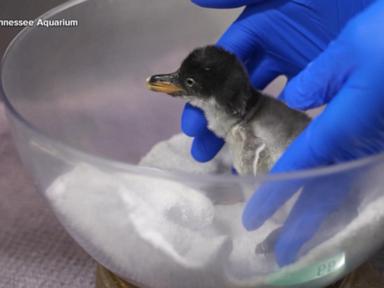
The second chick, hatched on July 17 to parents Blue and Flower, faced a tougher road. Staff noticed the newborn struggled to hold up its head or get deep enough into its parents' bills to feed properly. In the wild, a two-day delay in weight gain can spell disaster for an Antarctic chick that needs to pack on mass at lightning speed.
Assistant Curator of Forests Loribeth Lee and her team stepped in, providing supplemental, round-the-clock tube and hand feedings for nearly a week until the chick gained the strength to feed on its own. At hatch, the tiny bird weighed a mere 101 grams—about the weight of a standard bar of soap. Just one month later, it tipped the scales at over 2.7 kilograms. To put that in perspective, if a human infant grew at that rate, a standard newborn would weigh more than 200 pounds a month after birth.
Why These Families Are Living Off-Exhibit
You won't spot these fluffy newcomers mingling with the rest of the 23-bird colony right away. Aquarium staff made the deliberate choice to move the nesting families into specialized off-exhibit holding rooms.
Nesting season triggers intense territorial instincts and aggression among adult penguins. While other adult birds mean no direct malice, their intense curiosity can cause fatal accidents or injuries to tiny, fragile hatchlings crowding the rocks. Separating the families shields the parents from colony drama so they can focus entirely on feeding.
The older chick will transition back onto the main exhibit once it hits around 70 days of age, provided it passes a strict "swim test" to prove it can float and exit deep water independently. The younger chick will follow its older peer onto the public floor about three weeks later.
Getting Involved With the Colony
The aquarium isn't keeping all the excitement locked away behind backup doors. Animal lovers can monitor the daily chaos and resting habits of the colony by tuning into the live stream powered by EPB Fiber Optics.
For those wanting a hands-on experience, the institution has scheduled a penguin baby shower event, followed by its annual online fundraising auction where supporters can bid on naming rights for the newborn chicks. Proceeds from these naming rights feed directly back into the non-profit aquarium's veterinary care and conservation programs.
If you want to catch the action live or support the ongoing chick-rearing efforts, check out the Tennessee Aquarium Penguin Chick Video to see footage of the young birds and hear directly from the curators managing their care.
http://googleusercontent.com/youtube_content/1