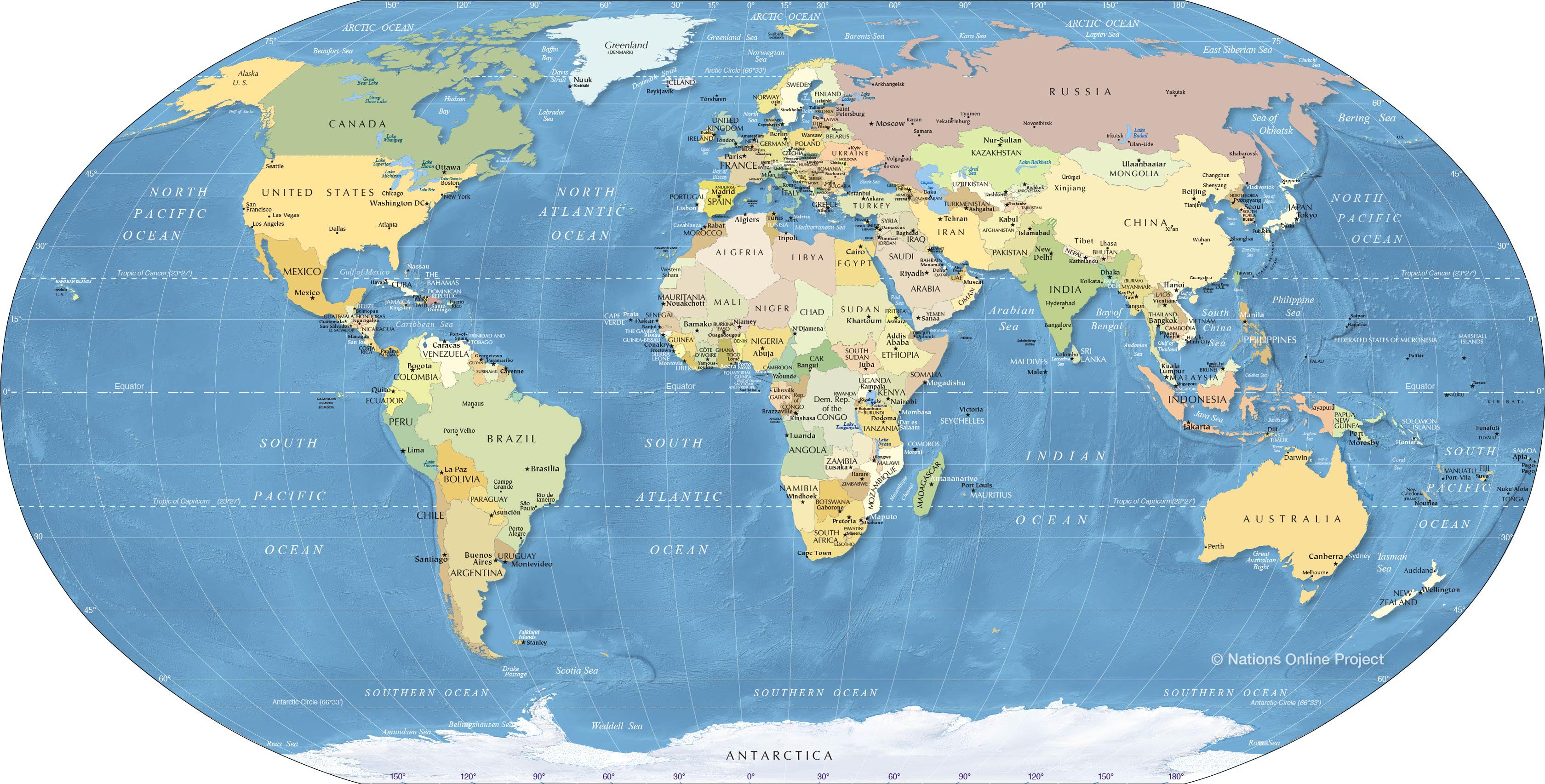
The ink was barely dry on the executive order when the cartographers caught the fever. For generations, the deep blue basin of Lake Ontario sat on classroom charts and digital navigation tools, a steady geographic constant shared by two nations who measured their friendship in unfortified miles. Then came the stroke of a pen from Washington, demanding that the apple-branded screens in millions of pockets rewrite the water. Lake America, the directive insisted. Just like that, a name older than the municipalities clinging to its southern limestone shores was ordered to morph into an artifact of political leverage.
Down in the concrete canyons of the capital, spreadsheets were humming with the certainty of a rising tide. The U.S. trade deficit had just ballooned to $88.6 billion, a twenty-four percent leap in a single month that felt like a punch to the gut of industrial protectionism. Officials pointed to import taxes, to recalibrated supply chains, to the stubborn mathematics of a global market refusing to bend. But spreadsheets do not feel the grit of salt spray or the heavy hum of a border town breathing in reverse. They only calculate margins.
Consider what happens three hundred miles north, in the quiet office of a customs agent looking across a strip of grey water that suddenly feels wider than an ocean.
Trade wars are rarely fought with artillery. They are waged in the quiet attrition of paused shipments, canceled contracts, and words hurled across digital ether. Canadian Prime Minister Mark Carney leaned into a microphone, his patience visibly wearing thin, and told the southern administration to halt the memes, drop the posturing, and stop trying to act tough. It was a blunt reaction to an economic fallout that had stalled on the one-yard line. A deal, so close to fruition, shattered into a pile of retaliatory tariffs.
Treasury Secretary Scott Bessent dismissed the friction from a television studio, insisting that the breakdown carried no weight for ordinary American households. He argued that Canada’s economy, dwarfed thirteen times over by its southern neighbor, could not sustain a tit-for-tat struggle against an industrial juggernaut. Yet, numbers have a way of bleeding off the page. When the cost of lumber, steel, and energy bounces back and forth across a boundary line, it lands squarely on the kitchen table of a young family trying to close on a starter home.
Meanwhile, gaze southward, past the immediate border skirmish, toward the heavy machinery rusting under the Venezuelan sun.
The administration announced a sweeping arrangement granting U.S. oversight over a massive chunk of Venezuela's sixty-five billion barrels of crude reserves. Energy titans like Chevron, possessing decades of institutional memory in the Maracaibo Basin, are poised to move back in. Officials speak of this in clinical terms of asset creation, price suppression, and production spikes.
Walk through the ghost of an idled refinery in Estado Zulia, however, and the poetry vanishes. Decades of neglect have turned multi-billion-dollar extraction networks into archaeological ruins of twisted pipe and stagnant sludge. Experts whisper warnings that restoring this infrastructure will require billions of dollars and years of grueling, dirty labor before a single barrel makes a meaningful dent in global supply. The political victory is signed on parchment today; the physical reality will demand a decade of sweat.
Back in the domestic sphere, the pulse of the American worker beats with a strange, cautious rhythm.
New jobless claims ticked up slightly to 206,000, hovering near historic lows that defy gloomy prognostications. Employers, burned by the severe labor droughts that followed the pandemic lockdowns, refuse to let go of their people. Unemployment sits stubbornly at 4.1 percent. People are still clocking in, still pouring concrete, still answering phones, operating in a parallel universe where macroeconomic friction has not yet reached their timecards. They are waiting to see which breaks first: the stubbornness of governments or the resilience of their own paychecks.
Maps are supposed to help us navigate. They are meant to show us where the cliffs drop off and where the safe harbors lie. But when power dictates geography, when lakes are renamed by executive fiat and trade corridors are treated as game boards, the map stops being a tool of discovery. It becomes a mirror of human stubbornness.
The water of the great northern basin does not care what is written on a digital screen. It laps against the granite shields and sandy bluffs with the exact same rhythm it used a century ago. The currents move south and east toward the gulf, indifferent to the tariffs levied over them or the names shouted across their surface.
The political calculus will shift. The trade tables will eventually be pulled back out of the dust. New names will fade from the map apps just as quickly as they were typed in. But the human cost of these high-stakes games—measured in delayed dreams, strained alliances, and the quiet exhaustion of working people caught in the crossfire—remains carved into the landscape long after the headlines scroll away.