Private property rights in America are an illusion wrapped in a polite legal fiction.
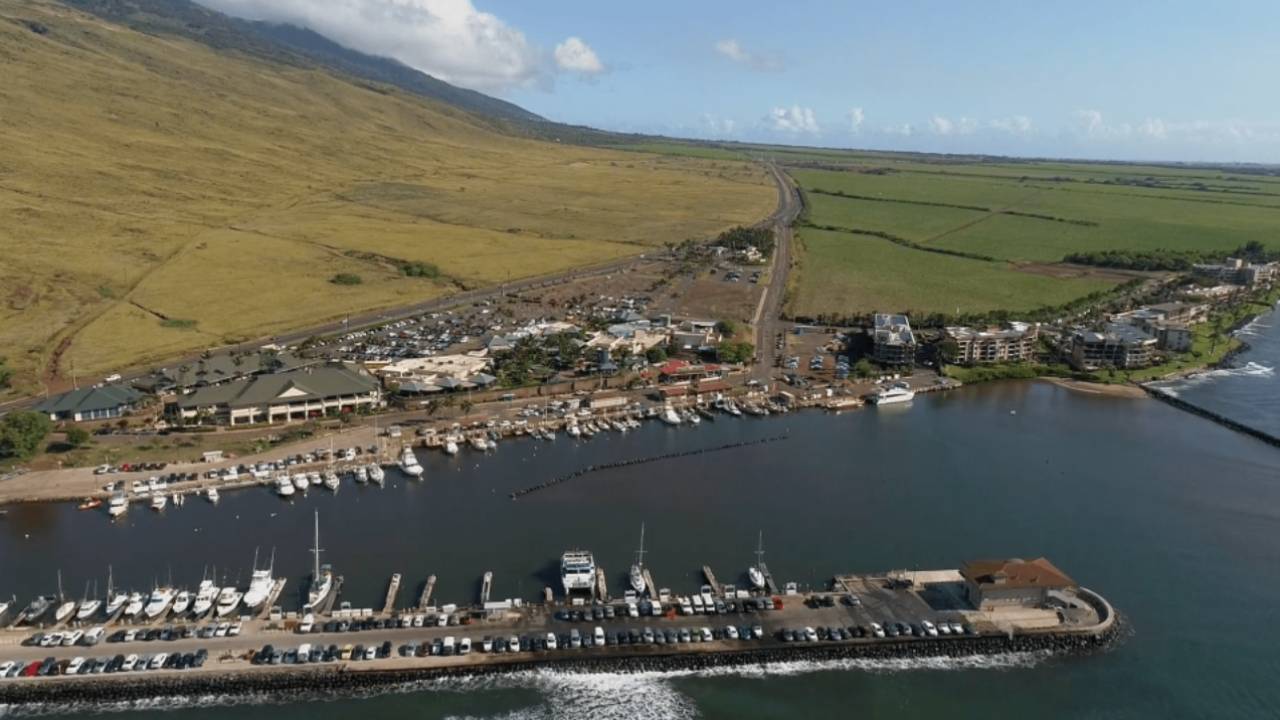
Look no further than the endless saga of Don Williams and his acre of waterfront dirt next to Maui’s Māʻalaea Small Boat Harbor. Back in 1994, Williams dropped $1.35 million on the parcel. Four weeks later, he signed a 30-year lease with the State of Hawaii. For decades, that deal functioned as a reliable income stream. Then the state decided it wanted the land back, launching a condemnation suit that triggered a bureaucratic meat grinder lasting over thirteen years. Recently making news in related news: The Brutal Economic Reality Behind Television Set Glamour and Community Venue Collapses.
A trial court finally pinned a $7 million price tag on the property to compensate Williams for what was stolen from him. But in a recent appellate ruling, that judgment was chucked into the trash. The Hawaii appeals court vacated the payout, dragging the multi-decade war back to square one.
Mainstream coverage treats this as a dense technicality over appraisal methods and comparable sales. That framing misses the forest for the rotting trees. This case is not a routine courtroom disagreement. It is a glaring manifestation of state-sanctioned highway robbery, exposing how easily the government can manipulate valuation rules to grind ordinary citizens into dust. Further details into this topic are covered by Bloomberg.
The Lazy Consensus Of Procedural Fairness
The standard narrative surrounding eminent domain goes like this: The Constitution protects property owners by requiring "just compensation," and courts act as neutral referees ensuring the government pays fair market value.
Total nonsense.
When the state condemns property, it enters the negotiating table holding a loaded gun. It writes the rules, controls the appraisers, and can drag out litigation until the target runs out of cash, dies, or gives up. In the Williams debacle, the state didn't just try to shortchange the payout; at various points in this procedural odyssey, bureaucrats actually argued that Williams owed them money for the privilege of having his land confiscated.
Let that sink in. The government seizes your asset, refuses to pay what it is worth, and then hands you an invoice for the inconvenience of taking it.
The legal establishment focuses intensely on whether the valuation should rely on income capitalization or comparable sales. This is a smoke screen. Debating the mathematical formula used to calculate a payout assumes the core premise is legitimate. It is not. Compulsory purchase is the antithesis of a free market. If a private citizen forces a neighbor to sell a home at a government-mandated price, it is called extortion. When the state does it, it is called jurisprudence.
Dismantling The Valuation Shell Game
To understand why the latest appellate decision is a disaster for property rights, you have to look past the legal jargon and examine the mechanics of how the state suppresses land values.
In condemnation cases, the government's favorite strategy is isolation. They attempt to value the dirt as a blank, sterile slate while ignoring the economic encumbrances—like lucrative long-term leases—that give the property its actual operational worth.
Imagine a scenario where you own a commercial building generating $100,000 a year in rent. If an outsider wants to buy it, they must pay for the physical structure and the cash flow it generates. But when the state initiates eminent domain, officials routinely try to ban evidence of those exact income streams from the courtroom. They want the jury to look at a stripped-down skeleton of the asset so they can pay wholesale prices for a retail monopoly.
In the Williams case, the core fight was over whether the 1994 lease could be factored into the valuation. The state fought tooth and nail to keep that lease out of the equation because including it drove the price up. When a trial court finally applied common sense and granted summary judgment pushing the valuation toward $7 million, the appellate court stepped in, citing procedural missteps and technicalities over expert witness boundaries to tear the judgment down.
This is how the system protects itself. Whenever a citizen actually wins a definitive victory against state overreach, appellate courts find a procedural pretext to reset the clock.
The Real Cost Of Legal Attrition
I have watched companies and private investors get ground down by municipal litigation. The average person assumes that if the government takes your land, you hire a lawyer, go to court, and get a fair check within a year or two.
That is a dangerous fairy tale.
Litigation is an asymmetric warfare machine. The state has an infinite legal budget funded by taxpayers—including the very person they are currently suing. The property owner is paying hourly legal fees out of pocket while their asset sits frozen, generating zero development potential and mounting liabilities.
By the time a case like this crawls through thirteen-plus years of appeals, remands, and supreme court briefs, the financial victory is pyrrhic. Legal fees consume a massive chunk of the award. The psychological toll is devastating. Don Williams bought that land as an investment in his family's future, only to spend his retirement years fighting the state of Hawaii from abroad.
That is not an accident of the legal system. That is the deterrent effect in action. Make the process so agonizing and expensive that future landowners think twice about challenging a lowball government offer.
Why Comparable Sales Are A Fraud In Monopolized Markets
Let us address the economic fallacy at the heart of state-backed appraisals: the obsession with "comparable sales."
Appraisers love comparable sales because they are clean and easy to plug into a spreadsheet. But in unique coastal zones, small island markets, or commercial strips adjacent to harbors, true comparables do not exist. You cannot compare a standard residential lot inland to a specialized waterfront parcel tied directly to marine commercial infrastructure.
When the state forces a comparable-sales model onto a unique asset, they deliberately ignore market reality. They look for transactions that happened under entirely different conditions, average them out, and ignore the specific utility of the land in question.
If you own a unique piece of operational infrastructure, its value is derived from what it produces, not what an unrelated parcel down the road sold for during a market slump. Allowing the government to pick and choose which valuation method suits its budget is like letting a burglar appraise the jewelry box they just emptied.
The Unspoken Truth About Eminent Domain
The defenders of eminent domain argue that it is necessary for the greater good—roads, harbors, public utilities, and infrastructure.
Even if we accept that premise for core public works, the line has blurred past recognition. Governments routinely abuse condemnation to transfer private property from one private entity to another under the vague banner of "economic development" or, as seen here, to fix administrative headaches tied to poorly managed state leases.
When the state leases land to a private citizen for decades and then decides it regrets the deal, using eminent domain as an escape hatch is a flagrant abuse of power. It turns the contract into a trap. You sign a 30-year agreement with the government, invest your capital, make it productive, and the moment it becomes inconvenient for them, they pull the eminent domain card to rip up the terms.
If a private corporation pulled a stunt like that, voiding a contract through brute force when it stopped being profitable, courts would crucify them for breach of contract and bad faith. But the sovereign state wraps itself in immunity and calls it public policy.
What Property Owners Must Do Now
If you own high-value real estate—particularly commercial, coastal, or development land—you must operate as though your title is provisional. The Fifth Amendment is no longer a shield; it is a suggestion that bureaucrats ignore whenever land values spike.
- Never trust a government lease. If a state agency or municipality wants to lease your land, recognize that you are sleeping with an adversary. Build ironclad exit clauses and severe penalty structures into the contract that trigger automatically if condemnation proceedings begin.
- Document income streams aggressively. Do not let the state isolate the dirt from its utility. Fund your own independent economic impact studies immediately upon purchase to prove what the asset generates, making it harder for courts to pretend the underlying business value does not exist.
- Assume a ten-year horizon. If the state targets your property, do not expect a quick payday. Budget for a war of attrition. If you cannot afford the legal firepower to fight appellate courts for a decade, you are at the mercy of their initial lowball offer.
The Hawaii appeals court decision to vacate that $7 million judgment is a masterclass in bureaucratic stalling. It signals to every state agency that if you fight long enough, the courts will eventually hand you another bite at the apple to lower the bill.
Property ownership in America is only as secure as your willingness to defend it against the entities tasked with protecting it. Stop believing the system is neutral.