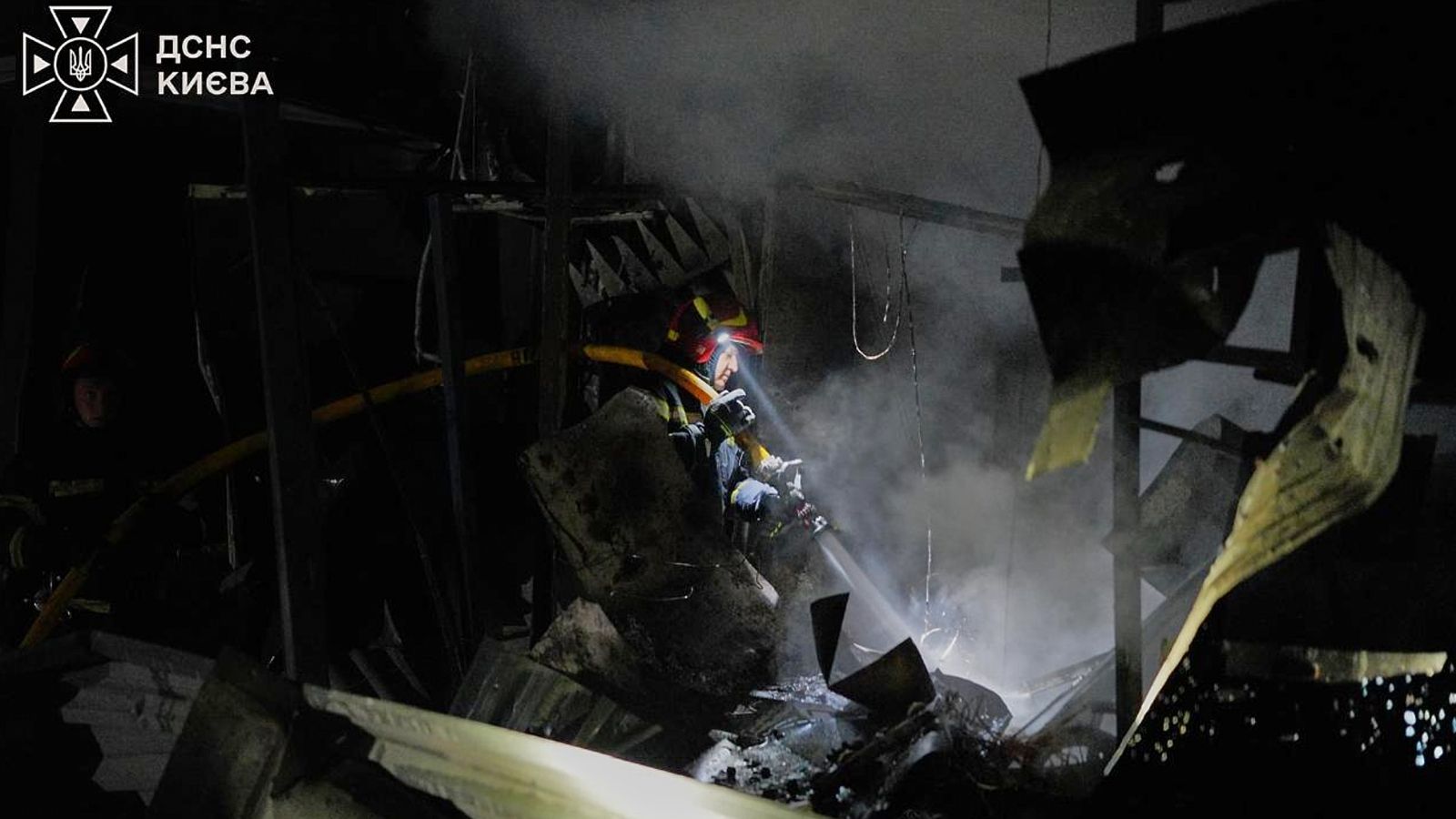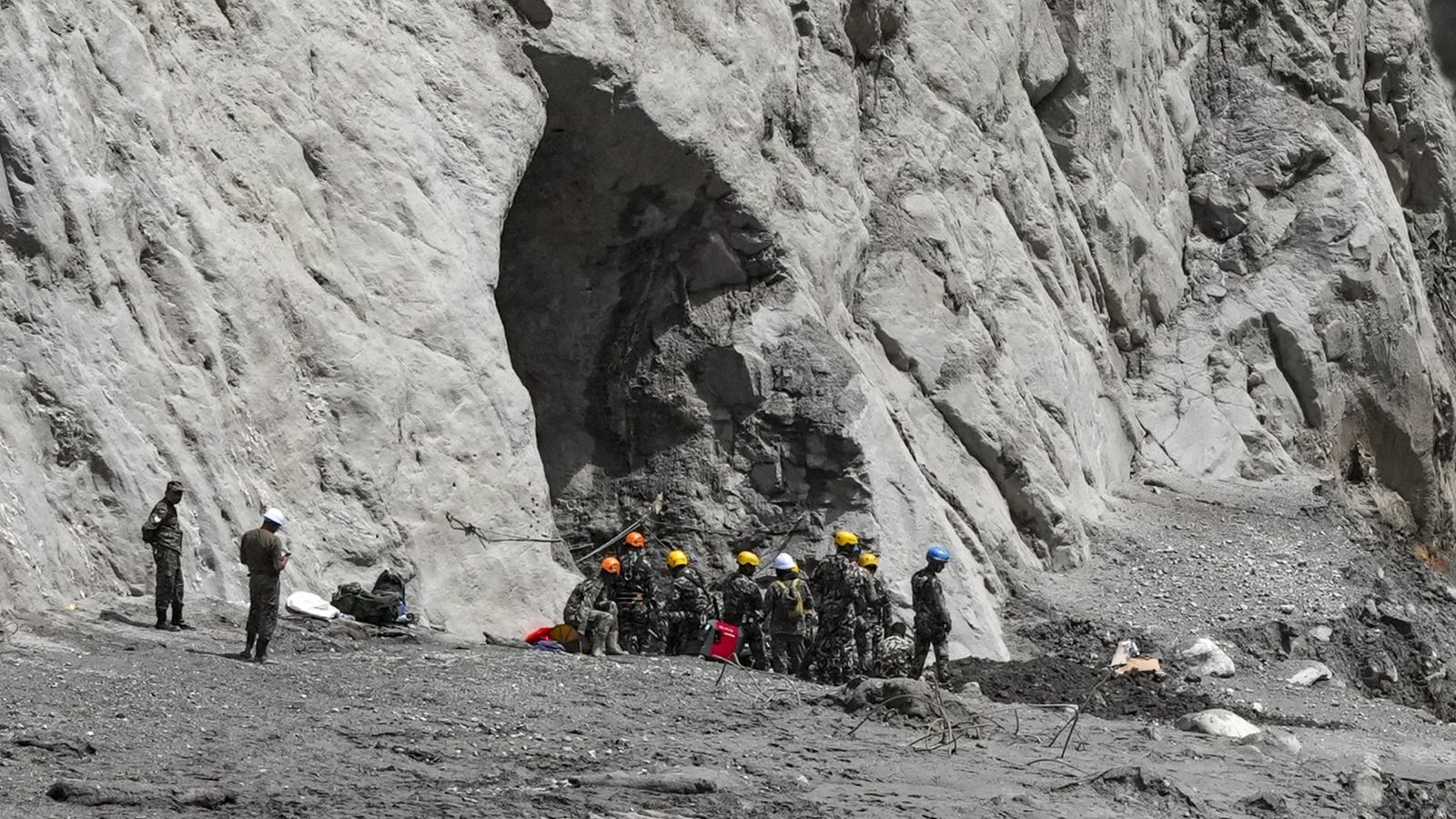
Headlines about five people killed by Israeli fire in Gaza roll across news tickers with predictable monotony. The standard narrative writes itself instantly: a flash report, a toll of dead civilians, a vague attribution to local medics, and a silent implication that this represents another random spike in an irrational cycle of violence.
This lazy consensus misses the entire structural reality of how modern asymmetric warfare functions. It treats tactical friction as moral testimony, reducing high-intensity urban combat to a daily body count. If you want to understand why these casualties happen, stop reading wire service tickers. Look at the structural mechanics of densely populated terrain under siege.
The Fallacy Of The Daily Toll
Every time a wire service drops a breaking flash about a handful of casualties, the public absorbs a flawed premise. The implicit argument runs like this: every reported incident is an isolated tragedy born of poor discipline, malice, or sudden escalation.
That view ignores the basic geometry of the battlefield. Gaza is one of the most crowded urban environments on Earth. When a military force operates in a subterranean-fortified combat zone where adversaries deliberately blur the line between civilian infrastructure and military command nodes, kinetic engagement yields predictable friction.
I have watched strategists analyze conflict zones for decades. The error analysts make is treating an urban theater like an open-field chess match. It is not. It is a collapsing ecosystem where intelligence lag, movement restrictions, and compressed reaction times guarantee tragic friction. Focusing exclusively on the final number of dead misses the operational engine driving those numbers.
Why The Conventional Metrics Fail
The standard reporting playbook relies on numbers supplied by local authorities under strict operational control by Hamas. These figures rarely distinguish between combatants and non-combatants in the immediate aftermath, creating a deliberate statistical fog.
- The Combatant Blur: Insurgent doctrines rely on civilian camouflage. When uniforms are abandoned for civilian clothes, sorting fighters from bystanders in real-time thermal feeds or drone surveillance is an exercise in high-stakes guesswork.
- The Proximity Trap: Operating forces cannot afford to halt engagement every time a civilian structure sits within a blast radius when incoming fire originates from that exact location. International law recognizes the doctrine of proportionality, but tactical reality bends legal theory past its breaking point.
- The Information Velocity: Breaking news favors speed over verification. By the time accurate after-action reviews determine who was actually hit and why, the news cycle has moved on to the next casualty report.
The Strategic Reality Beneath The Noise
The real story is not that a specific strike killed five people today. The story is the grinding, attritional nature of an urban siege that leaves zero margin for error.
When an army enters a subterranean labyrinth rigged with explosives, every street corner becomes a potential ambush point. The response to that threat profile is overwhelming kinetic dominance. That dominance guarantees collateral damage, regardless of how many laser-guided munitions or precision protocols are deployed.
Pretending that better warning leaflets or slightly delayed strikes will eliminate casualties in this environment is a delusion. It misunderstands the physics of destruction. Urban warfare at this scale is inherently devastating.
Stop looking at the daily body count as a moral scorecard. Look at it as the inevitable mechanical output of a war that should never have been fought in terrain that makes civilian shielding a tactical necessity.
The next time a flash report crosses your screen, remember that the numbers are just smoke hiding the brutal architecture of the conflict itself.