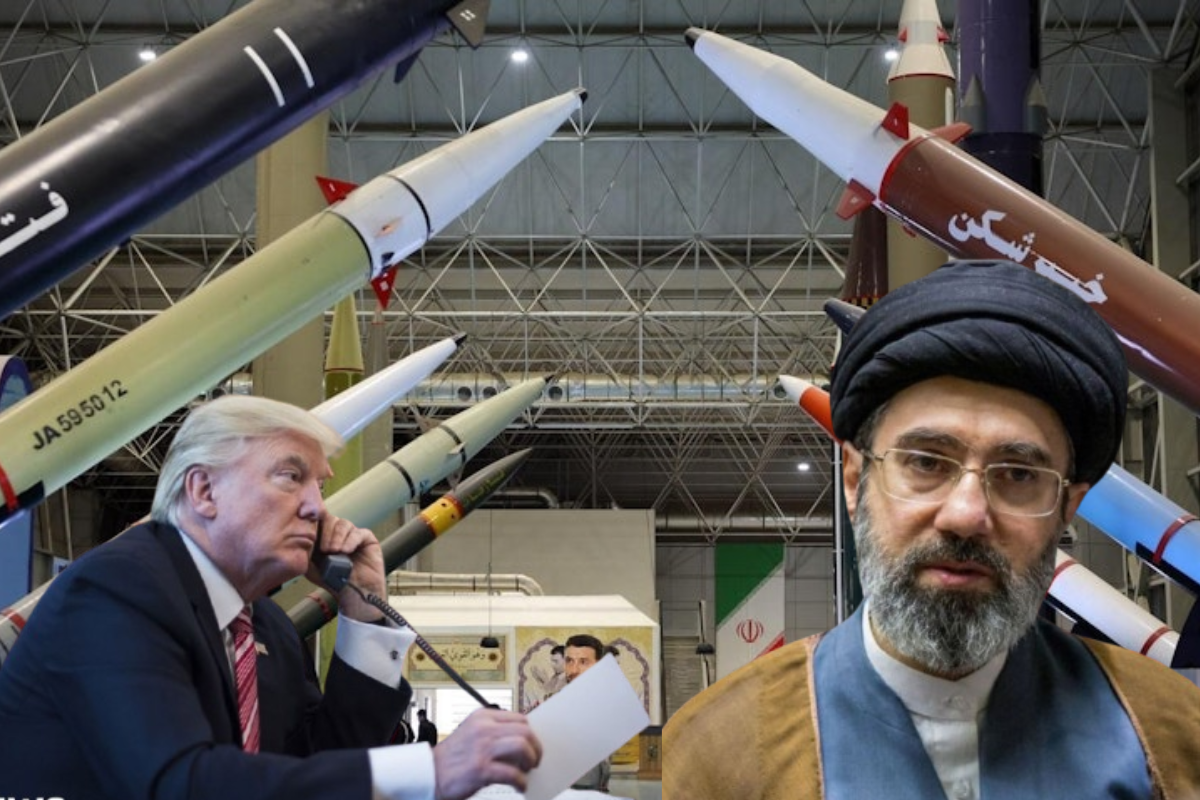
Mainstream coverage of the escalating tensions in the Middle East is fundamentally misreading the chessboard. The current media consensus, sparked by Donald Trump’s public assertions that he is in "no rush" to secure a diplomatic breakthrough with Iran, views the situation through a lens of diplomatic passivity versus aggressive rhetoric. Mainstream outlets track Tehran’s furious accusations that Washington is "seeking to ignite a new war" as evidence of a looming, uncontrolled explosion.
They are wrong. They are falling for a classic piece of geopolitical theater.
What the consensus misses is that passive posturing is not a lack of strategy; it is the strategy. By publicizing a total lack of urgency, the administration is deliberately suffocating Iran’s primary leverage: time. Tehran relies on the assumption that Western democracies are inherently impatient, driven by electoral cycles and market volatility. When Washington completely removes the clock from the table, the structural advantages flip.
The Illusion of the Impatient Superpower
The conventional foreign policy establishment loves a timeline. Bureaucrats and traditional analysts judge diplomatic success by the frequency of summits and the drafting of joint communiqués. When a leader says they are not rushed, standard reporting interprets it as a policy vacuum or a failure of engagement.
This is a fundamental misunderstanding of economic warfare and asymmetric leverage.
Consider the raw macroeconomic data. Iran’s economy has spent years operating under crushing inflationary pressure, currency devaluation, and systemic isolation. When Washington signals that it can comfortably sit on the status quo indefinitely, it forces the leadership in Tehran to burn through dwindling foreign exchange reserves just to maintain internal stability. The United States can afford to wait. The Iranian regime, facing internal economic discontent and regional overextension, cannot.
I have spent years analyzing how state actors respond to economic coercion. The greatest mistake an administration can make is showing hunger for a deal. The moment you signal urgency, the price of the asset—or in this case, the diplomatic concession—skyrockets. By acting completely indifferent, Washington forces Tehran to bid against itself.
Dismantling the "Imminent War" Narrative
Tehran’s official rhetoric screams that the United States is actively looking to trigger a regional conflagration. This is a deliberate rhetorical inversion designed to rally regional proxies and exploit Western anti-war sentiment.
Let us break down the brutal mechanics of why a hot war is exactly what Washington does not want, and why its current posture reflects that reality:
- The Supply Chain Factor: A direct military conflict in the Persian Gulf immediately risks the closure of the Strait of Hormuz. No American administration wants to defend a global energy shock that sends crude oil spiked past historical highs during an economic recalibration.
- The Proxy Dilution: Iran’s regional influence relies heavily on funding external networks. A protracted, static diplomatic freeze bleeds the central treasury, forcing Tehran to make hard choices about which regional proxies to underfund.
- The Deterrence Balance: True deterrence is not achieved by launching missiles; it is achieved by making the adversary believe that their provocations will fail to yield the political or economic concessions they desperately require.
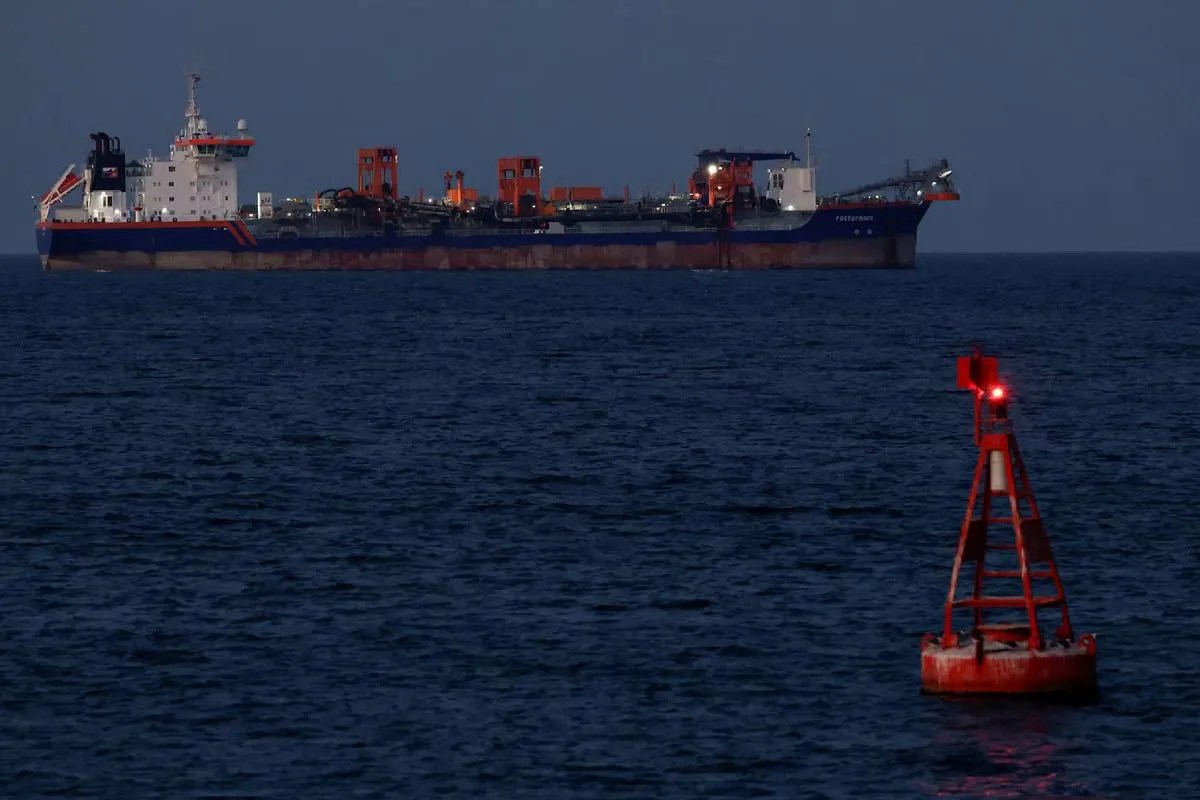
The media looks at the deployment of naval assets and public threats and concludes that a kinetic war is the objective. In reality, these are the guardrails required to maintain the freeze. The military posture ensures that Iran cannot break the economic chokehold via conventional military blackmail without facing catastrophic retaliation. It creates a high-pressure vacuum, not a launchpad.
The Flawed Premise of "De-escalation"
If you look at public forums or standard foreign policy Q&As, the most common question asked is: "How can the US and Iran achieve immediate de-escalation?"
The premise of this question is broken. It assumes that de-escalation is inherently stabilizing. In the context of deep-seated ideological and regional rivalry, forced de-escalation often does nothing more than allow an adversary to rebuild capital, refine their nuclear capabilities, and choose a more advantageous moment to strike.
True stability in this theater is not achieved by signing a flimsy accord that offers immediate sanctions relief in exchange for verifiable but reversible promises. It is achieved by forcing a structural shift in the adversary’s internal cost-benefit analysis.
The downside to this approach is obvious, and we must be honest about it: it carries a high risk of low-level, grey-zone gray retaliation. We will see asymmetric cyberattacks, harassment of shipping vessels, and proxy strikes on isolated outposts. The strategy requires a stomach for constant, low-grade friction without flinching or rushing to the negotiating table to make it stop.
The Calculus of Indifference
When Donald Trump states he is in no hurry, he is utilizing a tactic that corporate raiders and distressed-asset investors understand implicitly: the walk-away power.
Imagine a scenario where a company is facing bankruptcy and tries to force a wealthy competitor into a quick buyout by threatening to burn down their own factories. The wealthy competitor does not panic. They sit back, fold their arms, and look at their watch. They know that every hour that passes erodes the bankrupt company's position, while their own capital remains intact.
That is the current reality of the US-Iran dynamic. Tehran is attempting to use regional instability as a burning factory to force Washington into a quick, sanction-busting deal. Washington’s refusal to run into the building with a fire extinguisher is a cold, calculated refusal to play the assigned role.
Stop looking for the announcement of secret backchannel talks or the scheduling of neutral-site summits as signs of strategic competence. In this conflict, silence, indifference, and a total refusal to respect the enemy’s timeline are the most aggressive moves on the board. The Western media is busy covering the smoke, completely oblivious to the fact that the oxygen is slowly being removed from the room.
Do not expect a sudden treaty. Do not expect a sudden war. Expect the freeze to deepen until the side with the weaker structural foundation cracks under the weight of its own维持 cost.