The political marriage between Donald Trump and Benjamin Netanyahu has always been explosive, but a late-night phone call just shattered the illusion that Israel can dictate American military moves.
For weeks, the narrative out of Jerusalem suggested that Israel and the US were in lockstep to restart their military campaign against Iran. Then came Tuesday night. According to intelligence sources leaked to Axios, a lengthy and dramatic phone call regarding a new regional peace framework left Netanyahu furious, with one US official describing the Israeli Prime Minister as having his "hair on fire" after hanging up.
The friction exposes a fundamental disconnect. Netanyahu wants to use American firepower to crush Iran's critical infrastructure once and for all. Trump, true to his base instincts, is looking for a deal that lets him declare victory and avoid an extended regional conflict. When Trump publicly bragged the next day that Netanyahu will "do whatever I want," it wasn't just typical bravado. It was a blunt reminder of who holds the leverage.
The Letter of Intent That Sparked the Crisis
The root of Netanyahu's panic is a new diplomatic framework drafted by Qatar and Pakistan, with heavy backend coordination from Saudi Arabia, Turkey, and Egypt.
The proposed deal isn't a comprehensive treaty, but a "letter of intent" designed to officially end the hostilities that erupted back in February. It outlines a strict 30-day negotiation window focusing on two main friction points:
- Reopening the strategic Strait of Hormuz to restore global oil flows.
- Establishing a permanent mechanism to monitor and curb Iran's enriched uranium stockpiles.
Netanyahu views this framework as a trap. Israeli intelligence maintains that the Iranian regime is currently vulnerable after months of naval blockades and targeted strikes. From Jerusalem's perspective, pausing the pressure now allows Tehran to rebuild its broken economy and reinforce its proxy networks.
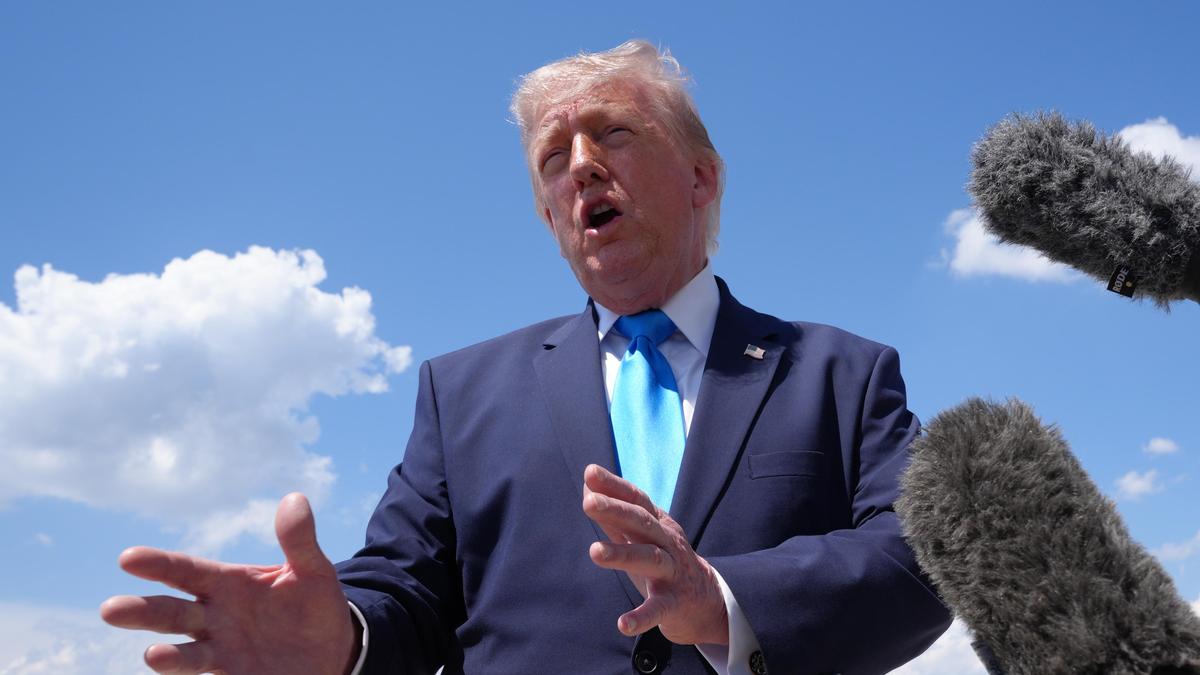
Trump sees it differently. Speaking to reporters at Joint Base Andrews before departing for Connecticut, he made it clear he is in no rush to launch a full-scale assault if a diplomatic exit exists. "I'm in no hurry," Trump said, noting he wants to see fewer people killed. He then added the line that sent shockwaves through the Israeli security establishment: "He’s a very good man, he’ll do whatever I want him to do."
How the War Reached This Tipping Point
To understand why Netanyahu is backing himself into a corner, you have to look at how this conflict started in February. A targeted strike eliminated Iran's Supreme Leader Ali Khamenei, triggering a swift and chaotic war that saw both the US and Israeli militaries deploying highly advanced weaponry.
But since the April 8 ceasefire, the conflict has transformed into a grueling economic blockade.
Timeline of the 2026 Escalation:
- Feb 23: Trump orders strike on Khamenei based on Israeli intelligence.
- April 8: Fragile ceasefire takes effect after intense air campaigns.
- April 13: US imposes strict naval blockade on Iranian ports.
- May 18: Trump postpones a planned Tuesday strike at the request of Gulf allies.
- May 19: Tense late-night phone call between Trump and Netanyahu.
The blockade since April 13 has effectively choked Iranian ports, but the retaliatory closure of the Strait of Hormuz by Iran has severely strained global shipping. Gulf allies like Saudi Arabia and the UAE have grown deeply uncomfortable with the economic fallout. They pressured Trump to cancel a massive air assault scheduled for this week, prompting him to grant a brief window for Arab-mediated diplomacy.
Netanyahu feels blindsided by this shift. For months, the Israeli public was told that Washington would back a total victory scenario. Instead, Israel is watching Trump openly entertain a deal brokered by Qatar—the very state Israel blasted last September for hosting regional militant leaders.
Israel Reassesses the Alliance
The political fallout inside Israel is immediate. Critics within the Knesset are pointing out that Netanyahu’s strategy left the country entirely dependent on Trump’s unpredictable instincts. While Netanyahu has long claimed he is the only leader capable of managing American presidents, this latest dispute reveals he has very little room to maneuver.
The timing couldn't be worse for the Prime Minister. The Knesset is currently debating a controversial draft exemption bill, and left-wing opposition leaders have already advanced a preliminary vote to dissolve the government. With a potential early election looming, showing weakness against Washington is a luxury Netanyahu cannot afford.
Yet, pushing back too hard against Trump carries immense risk. The Israeli Defense Forces rely heavily on US munitions and intelligence sharing. If Trump decides Netanyahu is intentionally sabotaging a peace deal to prolong a war, the flow of American logistical support could slow down dramatically.
The Next Immediate Steps
The diplomatic clock is ticking loudly, and the next 72 hours will determine if the Middle East slides into a massive regional war or pivots toward a fragile truce. Here is what you need to watch right now:
- Watch the Pakistani Delegation: The Pakistani interior minister is currently back in Tehran holding direct talks with Iranian officials to see if they will sign the letter of intent.
- Monitor the Strait of Hormuz: Look for whether Iran offers a temporary easing of shipping restrictions as a sign of good faith to keep Trump from ordering the postponed strikes.
- Track Netanyahu's Domestic Moves: Watch whether the Israeli government attempts a unilateral tactical strike to force Washington's hand and disrupt the Qatari mediation framework.
Trump has given Tehran only a matter of days to accept the terms of the revised peace memo. If Iran balks, the Pentagon remains on a moment's notice to execute a large-scale assault. But if Tehran bluffs and signs the document, Netanyahu will face the bitter reality of an American president walking away from a war Israel desperately wanted to finish.