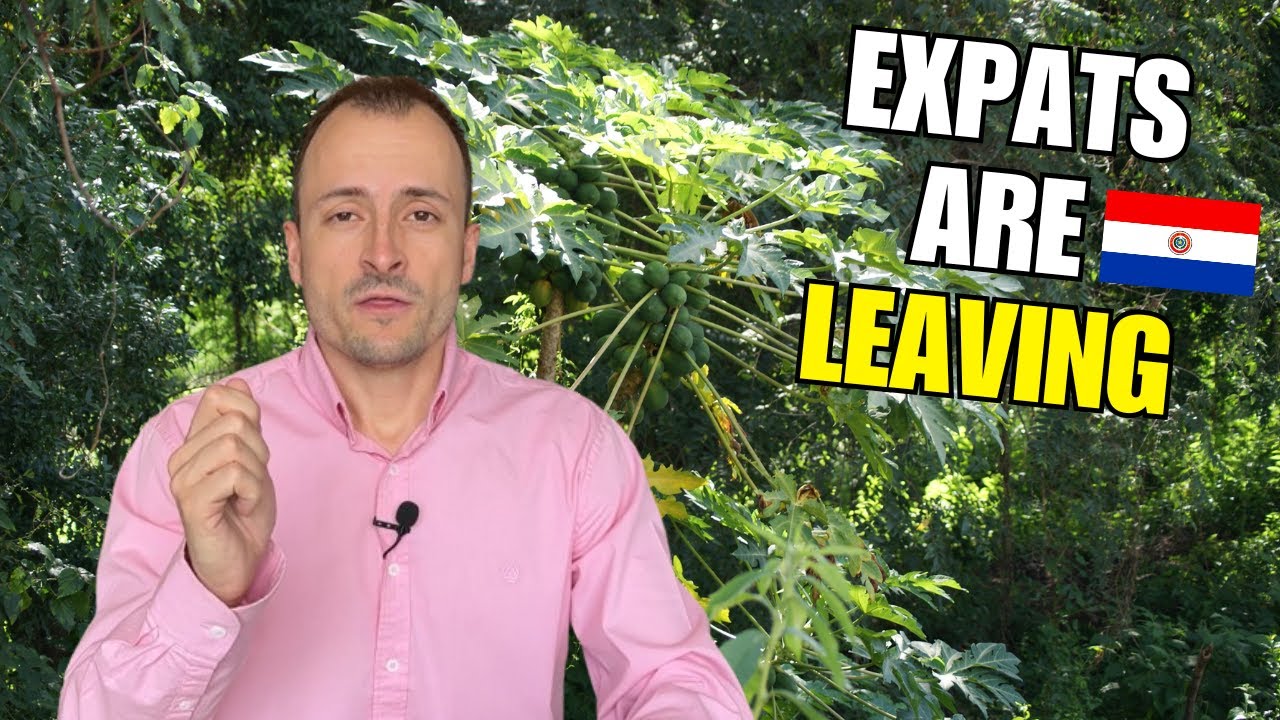
Paraguay is currently the only country in South America that officially recognizes Taiwan. Think about that for a second. In a massive continent where every other neighbor has hopped on the Beijing bandwagon to secure massive infrastructure deals, Asunción is still holding the line. President Santiago Peña isn't just sticking to a script; he’s betting his country’s economic future on a relationship that stretches back nearly seven decades. But let’s be real. This isn't just about "shared values" or "democracy." It’s a high-stakes geopolitical gamble where the pressure from China is reaching a boiling point.
China wants Paraguay. Not because Paraguay is a global superpower, but because it’s the last domino. If Paraguay flips, Taiwan loses its final foothold in South America. Beijing’s strategy is simple: squeeze the economy until the business elite in Paraguay force the government’s hand.
The Meat and Soy Problem
You can’t talk about Paraguayan politics without talking about beef and soy. These are the lifeblood of the nation. Right now, Paraguayan ranchers are looking across the border at Brazil and Argentina with massive envy. Why? Because those countries are shipping mountains of product to the Chinese mainland.
Paraguayan producers are forced to go through middlemen or sell to less lucrative markets because they don't have a direct trade deal with China. The Chinese government has made it crystal clear that a trade deal only happens if Paraguay cuts ties with Taipei. It’s a classic "carrot and stick" approach. The Rural Association of Paraguay (ARP) has been vocal. They want access to the 1.4 billion people in China. They see the Taiwan relationship as a barrier to their bank accounts.
Santiago Peña knows this. He’s trying to balance the scales by demanding more from Taiwan. He’s basically told Taipei that "friendship" isn't enough anymore. He needs investment. He needs Taiwan to prove that staying loyal is more profitable than switching sides. Taiwan recently pledged to increase investment in Paraguayan tech and healthcare, but compared to the "Belt and Road" billions China offers, it feels like bringing a knife to a gunfight.
Why Beijing Is Changing Its Playbook
For a long time, China was patient. They figured the economic gravity would eventually pull Paraguay in. But under Xi Jinping, the tone has shifted. We're seeing more aggressive "dollar diplomacy" in the region.
Beijing is now using the Mercosur trade bloc as a lever. Paraguay is a member of Mercosur, along with Brazil, Argentina, and Uruguay. The other members want a free trade agreement with China. Badly. China has hinted that it won't sign a deal with the bloc as long as one member—Paraguay—recognizes the "renegade province" of Taiwan.
This puts Paraguay in a corner. It’s not just China pressuring them; it’s their own neighbors. When Brazil’s Lula da Silva talks about strengthening ties with China, he’s indirectly telling Paraguay to get with the program. Asunción is being framed as the "spoiler" that’s holding back the entire region’s growth. It’s a lonely place to be.
The Washington Factor
There’s a third player in this room: the United States. Washington desperately wants Paraguay to stay in Taiwan’s camp. For the U.S., Paraguay is a democratic anchor in a region where China is buying up ports, 5G networks, and lithium mines.
If you look at recent diplomatic visits, you’ll see a pattern. U.S. officials are constantly in Asunción. They talk about anti-corruption and security, but the subtext is always "Stay with Taiwan." The problem is that the U.S. often offers lectures while China offers bridges. Peña is smart. He’s playing the U.S. and Taiwan against the threat of China to see who will give him the best deal.
But there’s a limit to how long this works. If the U.S. doesn't provide real, tangible economic alternatives—like better market access for Paraguayan beef—the domestic pressure on Peña will become unsustainable.
Beyond the Rhetoric of Democracy
Diplomats love to talk about the "shared history" between Paraguay and Taiwan. Both countries were led by anti-communist strongmen during the Cold War. General Alfredo Stroessner and Chiang Kai-shek were tight. That history matters, but it’s fading.
The younger generation of Paraguayans doesn't care about Cold War solidarity. They care about jobs. They care about the fact that their country needs better roads, better hospitals, and a modernized energy grid. Taiwan has been generous. They built the "Taiwan-Paraguay Polytechnic University" and have funded countless social projects. But China builds mega-dams and continental railways.
The question isn't whether Paraguay wants to leave Taiwan. It’s whether they can afford to stay. Right now, Peña is holding firm, but the cracks are showing in the agricultural sector.
What to Watch for in the Coming Months
Keep your eyes on the Mercosur summits. That’s where the real action happens. If Brazil and Uruguay decide to move forward with China regardless of Paraguay's stance, Asunción will face a choice: isolation or capitulation.
Also, watch the beef exports. If Paraguay starts seeing its traditional markets shrink or face new barriers, the ranchers will ramp up the heat on the Presidential Palace.
For anyone following global trade or South American geopolitics, this isn't some niche story. It’s the frontline of the new Cold War.
Next Steps for Observers:
- Track the trade volume between Paraguay and Taiwan monthly to see if "investment" is actually landing.
- Monitor the official statements from the Rural Association of Paraguay (ARP); they are the primary bellwether for a diplomatic shift.
- Follow the progress of the Mercosur-China trade talks. Any "breakthrough" likely means Paraguay has made a private concession.
The status quo is under immense strain. Paraguay is trying to prove that loyalty has a price that can be paid, but China is betting that the price is simply too high for a developing nation to ignore forever. Don't expect this to stay quiet for long.