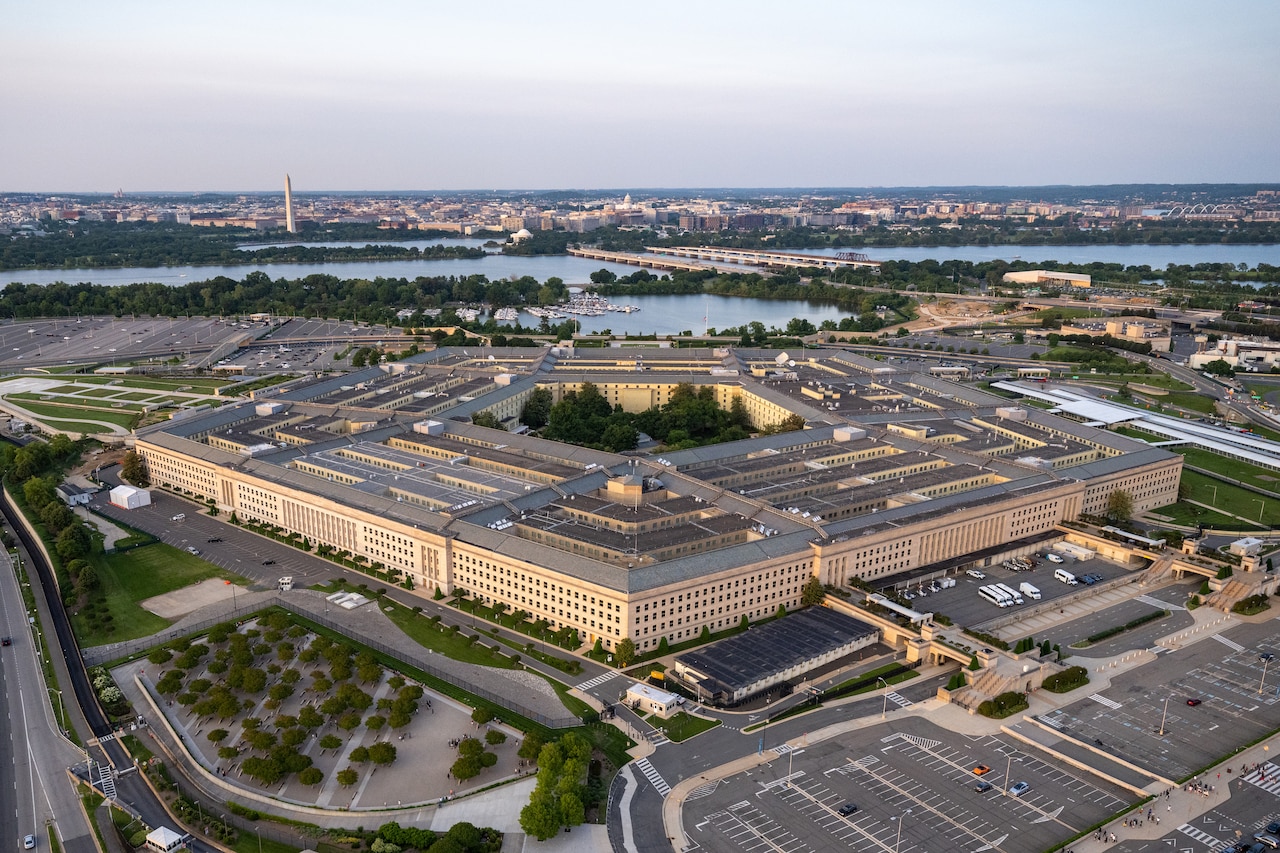
Another American service member has died in the escalating shadow of operations tied to Iran, adding a grim statistic to a Pentagon ledger that administration officials would prefer to keep obscured from domestic political debate.
The latest fatality, recorded through routine Department of Defense casualty announcements and casualty tracking, arrives without the dramatic fanfare of major ground invasions or shock-and-awe aerial campaigns. Instead, it underscores the grinding reality of modern force posture in the Middle East. Hundreds of service personnel remain scattered across small, vulnerable outposts in Iraq, Syria, and the broader Gulf periphery. They sit within range of proxy rocket salvos, loitering munitions, and ballistic missile barrages launched by Iran-backed networks.
Casualties in this theater are rarely the result of cinematic frontline combat. They occur in maintenance yards, communications bunkers, and cramped forward operating bases where air defense batteries work overtime to intercept incoming fire. When an intercept fails or a drone slips through, the cost is measured in American lives.
Yet Washington treats these losses as administrative line items.
For months, defense leadership has downplayed the cumulative toll of low-intensity attrition. Each incident is categorized as an isolated event, an operational hazard of maintaining deterrence in a volatile theater. Zoom out, however, and a different picture emerges. A slow-bleed strategy where American troops act as stationary tripwires in a region that has long since lost its appetite for permanent U.S. military footprint.
The public rarely sees the buildup. They see the headline about a flag-draped transfer case at Dover Air Force Base, followed immediately by official assurances that retaliatory strikes have degraded adversary capabilities. Then the news cycle moves on.
That cycle of response and reset is precisely what regional militias and their sponsors in Tehran count on. They absorb calibrated American air strikes against warehouses or empty training camps while continuing their systematic pressure campaign to force a total U.S. withdrawal from the region.
The Arithmetic of Attrition
To understand why U.S. forces remain vulnerable, examine the strategic geography.
Following the nominal conclusion of major combat operations in Iraq and the winding down of large-scale anti-ISIS missions, the U.S. military did not leave. It fragmented. Small contingents of several hundred troops were left embedded with local partner forces or manning austere logistics hubs. These locations were chosen for political and tactical convenience during counter-terrorism campaigns, not for enduring defense against state-backed missile arsenals.
When tensions with Iran spiked following regional escalations and the Gaza conflict, these legacy outposts transformed overnight from counter-terrorism platforms into high-value targets.
They lack the robust, multi-layered air defense architecture protecting major national capitals or multi-billion-dollar installations. A Patriot or Terminal High Altitude Area Defense battery is an expensive, finite resource. You cannot deploy heavy missile defense systems to every single dirt airstrip in the desert.
Militias operating Shahed-style suicide drones or cheap rockets understand this asymmetry. They can manufacture or acquire dozens of projectile systems for a fraction of the cost required to fire a single interceptor missile. Every exchange drains Western stockpiles while keeping American personnel permanently pinned down under the threat of indirect fire.
Commanders on the ground face an impossible bind. Secure the force too tightly, and you abandon the partnerships and intelligence-gathering necessary to prevent adversary resurgence. Leave the force exposed, and you accept a baseline casualty risk that compounds every week the deployment continues.
The Political Silence
In Washington, the death of a service member triggers a predictable ritual of sorrow and resolve. Statements are issued, flags are lowered, and vows are made to hold perpetrators accountable.
What is missing is a serious, honest debate over strategic utility.
Why are American troops stationed at remote facilities in eastern Syria or isolated bases in western Iraq? What vital national security interest justifies accepting regular casualties in environments where local actors possess escalation dominance through asymmetric proxies?
The answers from defense officialdom usually point to deterrence. If we leave, the argument goes, regional vacuums will be filled by hostile state actors, freedom of navigation will be threatened, and allies will lose confidence in American security guarantees.
That logic relies on a cold war mindset that ignores post-2003 realities. Decades of intervention have demonstrated that permanent military presence in unstable regions does not automatically stabilize local politics. Often, it provides an enduring pretext for extremist recruitment and state-sponsored resistance.
When a service member dies in a conflict that lacks a clear congressional authorization, a declared state of war, or a defined endgame, the tragedy extends beyond the loss of an individual life. It exposes a strategic vacuum at the heart of American foreign policy.
The Cost of Perpetual Management
The Pentagon's tally will likely grow as long as policy makers choose management over resolution.
Managing a crisis means accepting that soldiers will occasionally be killed by shrapnel in remote desert camps so that diplomats can maintain the appearance of posture and strength. It means treating missile defense saturation as a normal operational overhead cost.
True strategy requires asking whether the objective is worth the price being paid in blood and treasure by the all-volunteer force. Right now, the U.S. military is absorbing the blows of a shadow war without a clear roadmap for victory, withdrawal, or regional settlement.
Until political leaders confront that contradiction, more families will wait for notifications from Dover, and the quiet tally of a forgotten war will continue to tick upward.