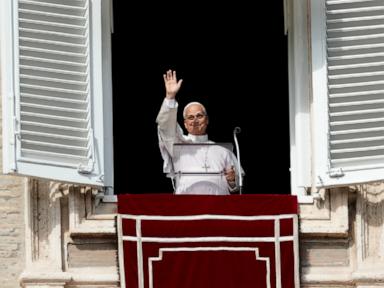
The Vatican just cleared the air. After weeks of speculation following a post-surgery checkup, officials confirmed that Pope Leo's Latin America trip is officially moving forward.
Most headlines treat this like a routine scheduling update. They're missing the bigger picture. When a pontiff steps onto a plane right after a medical evaluation, every single detail—from flight times to altitude—becomes a calculated political and pastoral gamble.
I've followed Vatican travel logistics for years, and honestly, the medical clearance is only half the story. You can't separate a pope's physical stamina from his geopolitical clout. If he stays home, rumors of decline take over the news cycle. If he goes, he proves he's still firmly in command of the global Church.
What the Vatican Actually Confirmed After the Checkup
Let's strip away the rumor mill and stick to what's verified. Following a scheduled post-surgery checkup, the Holy See Press Office confirmed that Pope Leo's medical team gave him the green light for his upcoming apostolic journey to Latin America.
The confirmation puts an end to weeks of quiet hedging from Vatican insiders. Whenever a pope undergoes surgery—even a planned procedure—international travel is the very first thing put on the chopping block. Doctors hate long-haul flights after surgery. Cabin pressure, disrupted sleep schedules, and brutal diplomatic itineraries test even healthy leaders.
By confirming the trip now, the Vatican is signaling two things:
- His recovery metrics met every benchmark his surgical team set.
- The diplomatic stakes in Latin America were too high to postpone the visit.
It wasn't a rushed decision. Vatican physicians typically monitor post-operative recovery in strict phases, looking closely at cardiovascular stability and fatigue thresholds before signing off on transoceanic flights. Getting the nod means his medical team believes he can handle back-to-back public appearances without compromising his long-term health.
Why Latin America Demands a Physically Present Pope
You can't govern the Catholic Church from behind a desk in Rome, especially when it comes to Latin America. The region remains the demographic heartland of global Catholicism. Roughly 40% of the world's Catholics live there, according to data from the Pew Research Center.
Yet the Church faces massive headwinds across the continent. Rapid secularization, the explosive growth of evangelical Protestantism, and deep political polarization have chipped away at traditional Catholic dominance. Sending a video message doesn't cut it when local bishops are dealing with real-world crises on the ground.
Pope Leo's Latin America trip isn't a victory lap. It's a working visit aimed at steadying a region that's shifting fast.
When a pope shows up in person, it forces local governments, civic leaders, and fractured church factions into the same room. That kind of soft power only works when the pontiff is physically standing at the podium. Postponing the trip after his surgery would have created a vacuum—and in Latin American politics, vacuums get filled quickly.
How Papal Medical Clearances Actually Work Behind the Scenes
Most people assume the pope just tells his doctors he feels fine and packs his bags. That's not how it works. Not even close.
Vatican travel planning relies on a tight coordination between the Secretariat of State, the Prefecture of the Pontifical Household, and the Directorate of Health and Hygiene. When a pope has surgery, that entire machine hits pause.
The Hidden Adjustments You Won't See on TV
Even after a successful post-surgery checkup, a papal itinerary gets quietly re-engineered to protect the pontiff's energy. Based on past apostolic journeys following medical procedures, here's how the Vatican adapts the schedule without making it look like the pope is slowing down:
- Buffer days get baked into the middle of the trip. Instead of cramming four major events into a single day, planners spread them out and add private rest windows at the apostolic nunciature.
- Walking distances shrink dramatically. You'll see fewer long processions on foot and more reliance on closed vehicles or seated greetings.
- Flying medical units travel onboard. The papal plane isn't just a chartered jet—it carries a dedicated medical team, emergency equipment, and direct communication lines to local trauma centers along the route.
This is why the post-surgery checkup was such a critical gatekeeper. The doctors weren't just asking if Pope Leo could survive a 12-hour flight. They were evaluating whether he could sustain a multi-day diplomatic sprint while managing recovery.
The Misconceptions About Papal Health and Travel
Whenever news breaks about a pope's medical checkup, commentary swings to extremes. Either people panic and assume the worst, or they pretend age and surgery don't impact how the papacy functions. Both takes are wrong.
Modern popes travel far more than their predecessors ever did, and they do it later in life. Medical transparency from the Vatican has also evolved significantly over the last few decades. While the Holy See still guards private medical charts closely, confirming a post-surgery checkup alongside a major travel announcement is a deliberate move to project stability.
Another common mistake is viewing papal trips purely as religious pilgrimages. Every apostolic journey is simultaneously a state visit. As head of state of Vatican City, the pope meets with presidents, addresses diplomatic corps, and weighs in on regional conflicts. Canceling a state visit after surgery sends ripples through international diplomacy, not just parish halls.
What to Watch When the Trip Begins
Now that Pope Leo's Latin America trip is officially confirmed, the focus shifts from if he'll go to how the visit unfolds. Watching the live broadcasts with a critical eye will tell you everything you need to know about how his recovery is truly holding up.
Pay close attention to his unscripted moments. Prepared speeches tell you what his advisors want to say, but off-the-cuff remarks during press conferences on the papal plane reveal his mental sharpness and physical stamina. Watch the pacing of his public masses and whether he delegates longer homilies or standing rituals to local cardinals.
If you're tracking the geopolitical impact, keep an eye on the official Vatican press releases from the Holy See Press Office as the final itinerary drops. Look at which countries and cities made the final cut—and which ones were left off. In Vatican diplomacy, the stops a pope skips often speak louder than the ones he makes.