The marble halls of the United States Capitol are built to endure. They absorb the echoes of centuries, the hurried footsteps of anxious staffers, and the low, rumbling drone of endless debate. Yet, stone cannot sweat. Stone cannot feel the acute, grinding anxiety of a midsummer night when the clock ticks past midnight and an entire political ecosystem hangs by a frayed thread.
Outside, the July heat bakes the asphalt of Pennsylvania Avenue. Inside, a different kind of temperature is rising. At the center of this thermal surge stand two men, joined by an ideological flag but separated by the brutal physics of institutional reality.
Consider what happens when an unstoppable force meets an immovable piece of procedural architecture.
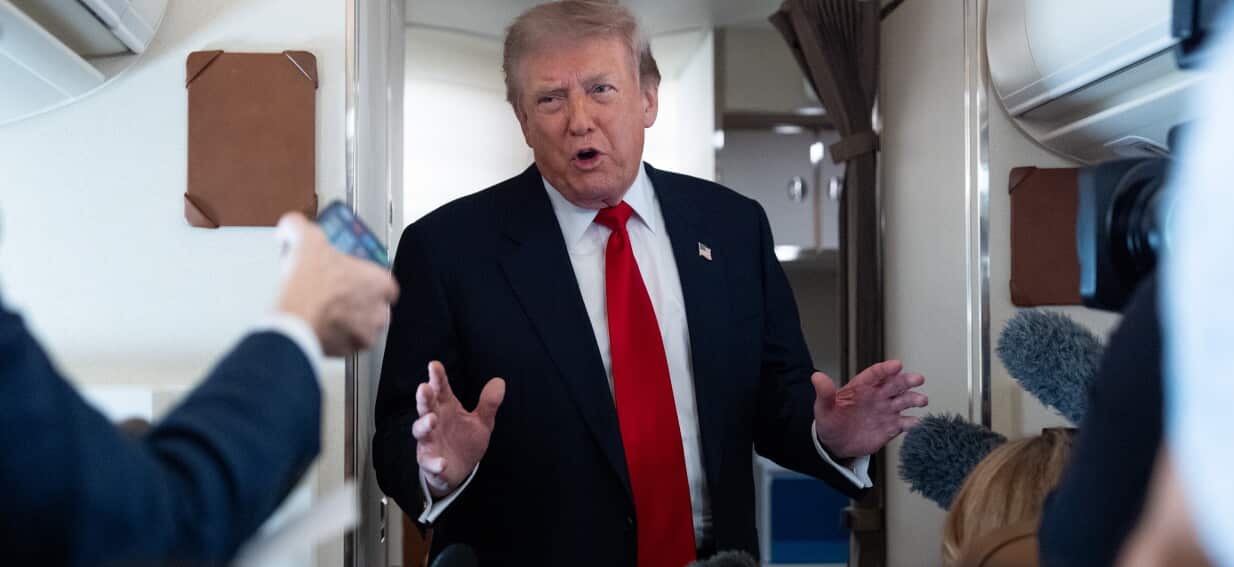
On one side stands Donald Trump, operating with the raw urgency of a commander who believes history waits for no one. He looks at the United States Senate and sees a sluggish ocean liner that needs to be jerked hard to port, immediately, regardless of whether the passengers lose their footing. His demand is stark, broadcast across digital airwaves with zero ambiguity: pass the Save America Act, mandate strict voter identification, and, if the procedural rules of the chamber get in the way, detonate the legislative filibuster.
To Trump, hesitation is indistinguishable from sabotage. He warns darkly of political ruin if the party fails to bend the chamber to his will.
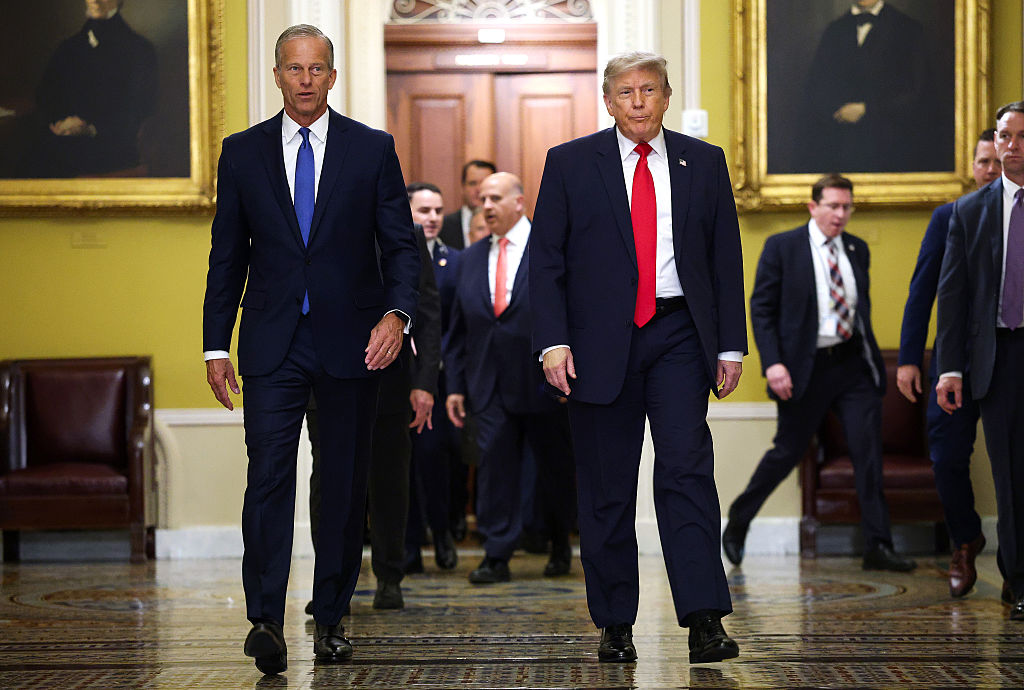
On the other side sits John Thune.
The Senate Majority Leader from South Dakota is a creature of the institution. He knows every hidden alcove, every obscure rule, and every fragile ego that makes up the fifty-person Republican caucus. Thune is calm by temperament, measured by habit, and trapped by math. When he looks at the chamber floor, he does not see a blank canvas for sweeping manifestos. He sees a gridlock of fragile majorities, absent votes, and resistant colleagues who would rather protect a two-century-old procedural safeguard than gamble the future of the republic on a single roll call.
"We do not have the votes," Thune has explained, both publicly and behind closed doors.
It is a simple sentence. It is also an explosion.
In the high-stakes theater of modern politics, acknowledging reality is often treated as an act of defiance. When Thune refuses to perform miracles with an arithmetic impossibility, the friction sparks. Public broadsides replace private consultations. Social media posts arrive in the dead of night, demanding that the Senate cancel its recess, stay in town, and smash through procedural walls that lawmakers have defended for generations.
The tension is not merely personal; it is structural.
Picture a hypothetical legislative director sitting in a cramped basement office near the Russell Building at two in the morning. Coffee cups are stacked like miniature pyramids. The television is muted, flashing cable news banners about stalled budgets, looming debt ceilings, and contentious defense priorities. This staffer represents the invisible machinery of government—the people who try to translate presidential lightning into statutory thunder. When the White House demands a total change in direction via an early-morning post, desks shake, strategies are shredded, and weeks of careful bipartisan negotiation vanish into thin air.
That is the human cost of the standoff. It creates a perpetual state of whiplash.
Senators find themselves caught in the crossfire. Some, aligned completely with the executive’s fiery impatience, take to online platforms to accuse their own leadership of moving too slowly. Others, wary of breaking the delicate machinery of the upper house, rally around Thune, praising his steady hand while quietly wringing their hands over the chaos. They walk into weekly caucus lunches like gladiators entering a tense arena, debating whether preserving the filibuster is an act of prudent conservatism or a suicidal clinging to the past.
The core disagreement boils down to a fundamental clash of philosophies. One side views power as an instrument to be wielded instantly and decisively, crushing any rule that slows the march of reform. The other side views power as a delicate trust, bound by traditions that, while frustratingly slow, prevent a pendulum from swinging so violently that it shatters the glass.
As the calendar barrels toward the August recess, the air in Washington grows heavier. The legislative agenda sits half-finished, weighted down by high-profile demands, voter ID battles, and fiscal flashpoints. The friction between the executive mansion and the legislative leader is no longer a whisper behind closed doors. It is a glaring fault line running right down the middle of American governance.
The pressure builds against the marble walls, silent and immense, waiting to see which gives way first: the immovable rules of the Senate or the relentless force bearing down upon them.
GOP's Trump 'FEAR': Republicans can't name ONE THING he has done wrong
This video provides additional context on the absolute loyalty and dynamic among Republicans on Capitol Hill as they navigate the pressure from the White House.