Salt spray tastes sharper when you are waiting for news that could end a forty-year war.
Stand on a rocky shoreline in Diyarbakir at dawn, and you do not hear a peace process. You hear the clatter of a tea glass on metal, the low hum of a generator warming up in the cool highland air, and the memory of boots on gravel that never quite leaves the older neighborhoods. When headlines say Turkey moves a Kurdish militant leader as part of a peace process, most readers skim past the words like a weather report. A transfer. A negotiation. A diplomatic shift.
Yet a transfer is never just geography. Moving a high-stakes prisoner or militant figure in the middle of a historic peace effort is like shifting a heavy beam inside an old timber house while the family is still sleeping underneath. You do not move it because the house is already safe. You move it because the weight has become unbearable where it sits, and leaving it there guarantees collapse.
I have sat in living rooms in southeastern Anatolia where grief is treated like furniture—pushed to the corner so guests have room to sit, though everyone knows it takes up half the room. I have watched mothers trace a son's name on an old phone screen with thumbs worn smooth from decades of factory work or farm labor, asking not for grand speeches from Ankara, not for ideological slogans, just for quiet nights and names that do not turn up on casualty lists. When you live inside a conflict that has lasted since the early 1980s and cost tens of thousands of lives across fighters, security forces, and civilians, cynicism is a form of armor. Hope feels reckless.
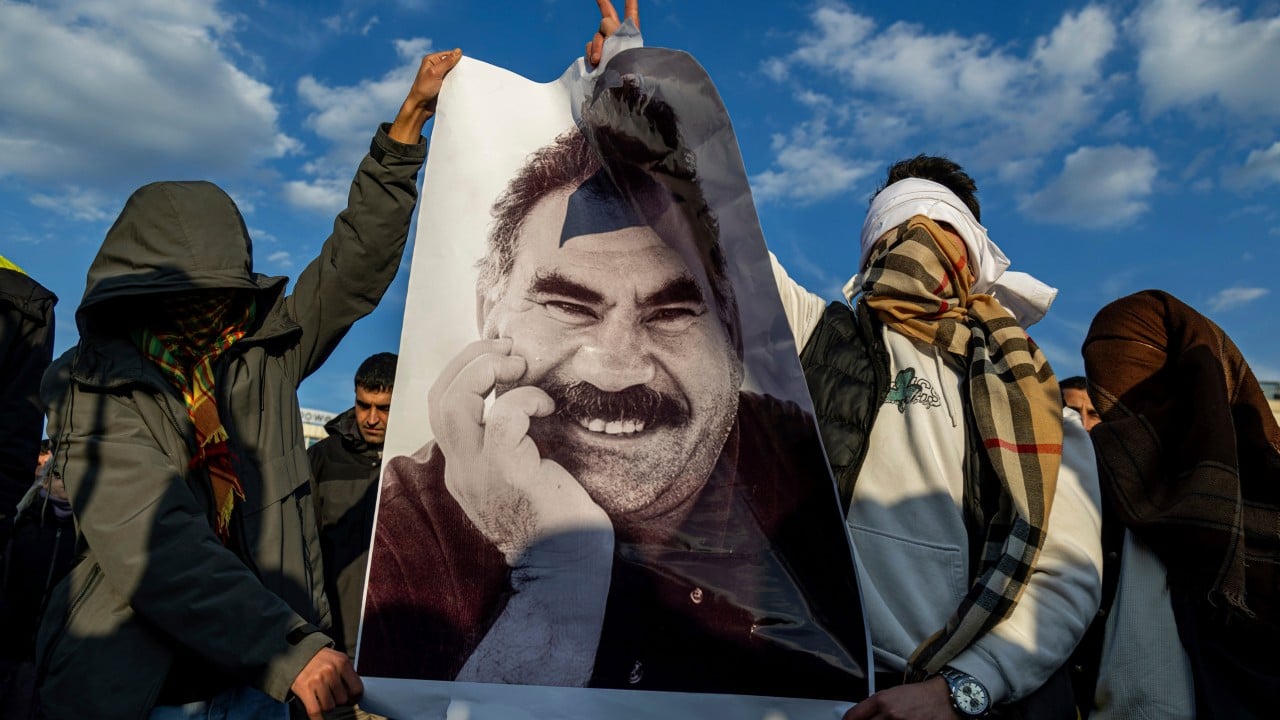
Still, look closely at what a physical move signals. Words are cheap in politics. Press releases are weightless. Moving a figure central to the Kurdistan Workers' Party, known as the PKK, costs political capital, triggers fierce pushback from nationalists and grieving families alike, and forces hard-line factions to confront a sudden reality: the chessboard is no longer frozen.
What a Transfer Really Means When Guns Are on the Table
Let's be plain about why governments move an imprisoned or detained militant leader during peace talks. Usually, it comes down to three pressures colliding at once: access, control, and legitimacy.
First is access. Peace talks fail when the person who actually commands loyalty among armed cadres is cut off from reality or unreachable by mediators. If a leader is isolated on a remote island or behind walls where messages take weeks or get filtered through layers of distrust, negotiations stall on rumors. Bringing someone closer to channels of communication—or shifting their custody arrangements to allow structured contact with mediators, family, or emissaries—creates a bridge where there was only a wall.
Second is control. Armed movements are rarely single minds. Commanders in rugged mountain terrain along the Turkish-Iraqi or Turkish-Syrian borders often operate with fierce autonomy, shaped by local losses and local grievances. If a central leader is going to call for restraint, de-escalation, or laying down arms, they have to be able to speak with authority that cadres on the ground recognize as genuine rather than coerced.
Third is domestic politics. In Turkey, any step involving the PKK touches raw nerves tied to sovereignty, counterterrorism, and decades of state security doctrine. A movement of custody or location is rarely an impulsive gesture. It is typically a calculated signal—an attempt to test whether backchannels can hold, to reward a step toward de-escalation, or to prepare public and political ground for a harder phase of talks.
To understand the tension inside that calculation, picture a hypothetical family—let's call them the Demir household—living in a hillside district outside Mardin. This is a composite scenario built from real conversations I have had in the region over the years, not a report on a specific named family.
Suppose Ahmet Demir is fifty-eight, a retired mechanic whose knuckles are permanently stained with motor oil. His brother disappeared into the mountains in 1991 and never came back. His nephew served as a conscript soldier in the late 1990s and came home with shrapnel in his leg and a silence that lasted ten years. When news breaks that the state has moved a key Kurdish militant figure as part of a peace effort, Ahmet does not celebrate. He frowns, lights a thin cigarette, and says, "We heard promises in 2013 too."
He is right to be cautious. Peace processes in Turkey have risen and collapsed before, most notably during the 2013–2015 talks that initially raised hopes of a historic settlement before breaking down into renewed urban clashes and cross-border operations. Memory in conflict zones is long, and betrayal leaves scar tissue that makes trust hurt.
Why Moving a Symbol Terrifies Both Sides
Ask yourself: if peace is the goal, why does a single transfer spark anger from almost every direction?
Because symbols carry histories that treaties cannot erase. For Turkish nationalists and families who lost soldiers, police officers, or village guards to PKK attacks, any move that looks like softening terms around a militant leader feels like an insult to the dead. Even when officials frame a move strictly as a procedural or tactical step in negotiations, critics hear concessions.
On the other side, Kurdish activists and sympathizers often view any state-managed move with deep suspicion. Has the leader been isolated further? Is this a trap meant to divide leadership from grassroots supporters? Or is Ankara finally willing to address long-standing grievances around political representation, local governance, and Kurdish cultural and civic rights?
Both fears make sense. That is the tragedy—and the strange honesty—of entrenched conflicts. Neither side starts from a neutral baseline. Every action is read through decades of suspicion.
Think of it like defusing a bomb in a crowded room—a metaphor that fits because one wrong twitch changes everything in the space, even if the mechanic's hands are steady. If you yank a wire too fast, you trigger the blast. If you leave it alone too long, corrosion does the work for you. Moving a key figure in a peace process is a delicate tug on a very old wire.
I will admit something that analysts in suits rarely say out loud: watching these moments unfold is confusing and unnerving. You want to believe that leaders who have fought for decades might finally see that endless attrition destroys everyone's future. At the same time, you know how quickly regional wars, political calculations, and street-level provocations can derail fragile momentum. Anyone who claims to know for sure whether this move leads to lasting peace or another bitter dead end is selling certainty they do not have.
The Invisible Stakes Beyond the Headlines
When a news item is boiled down to "Turkey moves Kurdish militant leader as part of peace process," the human cost of staying stuck gets cropped right out of the frame.
Consider what perpetual conflict drains from everyday life. It drains young people who leave villages because there are no jobs and no sense of a peaceful future. It distorts local economies, turns borders into zones of anxiety, and keeps politics locked in existential survival mode instead of everyday governance. Even families far from the mountains pay a price through strained budgets, heightened security measures, and polarized public life.
A genuine peace process is not a single ceremony on a stage. It is a slow, grueling sequence of steps: halting armed attacks, opening credible political channels, addressing legal and humanitarian questions, and building safeguards so neither side feels cornered into fighting again. Moving a militant leader is at best an early gear turning inside a much larger machine. If the other gears do not catch, the machine grinds to a halt.
Look at the broader region around Turkey and you can see why timing matters so much. Shifting alliances in Syria, contested power in northern Iraq, economic pressures at home, and cross-border security concerns all press in on policymakers in Ankara and across Kurdish movements. In moments like that, leaving a central figure untouched can keep a door locked that might otherwise crack open.
Still, opening a door does not mean everyone walks through it peacefully. Spoilers exist on every side. Hard-liners who built their power on perpetual struggle often fear peace more than war, because peace requires compromise, accountability, and a new role that no longer relies on the gun.
What Must Happen Next for Hope to Survive
If this move is meant to serve a real peace process rather than theater or leverage, three tests will separate genuine progress from illusion.
First, transparency of purpose—within the limits of sensitive security talks. People do not need every secret whispered across a table, but they need a clear direction: is this step tied to concrete de-escalation, verifiable ceasefires, and serious political dialogue? Without a credible path forward, a transfer looks like a stunt.
Second, protection for ordinary civilians and local communities. Peace has to be felt in markets, schools, and neighborhood streets, not just debated in capitals or mountain hideouts. Any pause in fighting that still leaves people living under fear or arbitrary pressure will feel hollow.
Third, patience when setbacks arrive. Real peace processes rarely move in a straight line. There will be heated rhetoric, disputed statements, and moments where talks seem ready to snap. The difference between a process that survives and one that dies is whether both sides have enough stake in the outcome to absorb a shock without reaching back for weapons.
Back in that hillside house outside Mardin, dusk settles over the stone walls and olive trees. Ahmet Demir switches off the television after the evening news, sits quietly for a moment, and looks out toward the darkening hills where so much history is buried.
Peace does not arrive with a trumpet blast in a war that has lasted forty years. It arrives in small, nerve-wracking shifts—a quiet border post, an unexpected message carried across cold water, a fragile pause that lasts one more day than anyone expected.