The air inside the lakeside cabin smelled of cedar, old wool, and thirty years of family summers. It was May, the kind of northern spring where the sun tricks you into thinking it is warm, but the shadows still hold the chill of winter.
For the family sweeping out the dust from the corners, this was a ritual of renewal. They opened the windows to let the crisp Canadian air chase away the stagnation of the darker months. They shook out the blankets. They swept up the tiny, dark pellets scattered near the baseboards of the pantry, thinking nothing of it. Just mice. Rural life required a certain comfort with nature’s intrusions.
They did not know that the dust swirling in the shafts of afternoon sunlight was weaponized.
Two weeks later, the fever started. It arrived not with the dramatic crash of a tropical plague, but with the mundane ache of a grueling workday. A heavy fatigue. A nagging cough that refused to clear. By the time the breath became shallow, gasping, and frantic, the doctors in the emergency room were forced into a high-stakes guessing game against a ticking clock.
This is the phantom reality of Hantavirus. It is a disease born of silence, carried in the shadows, and awakened by the very act of cleaning up.
The Microscopic Hitchhiker
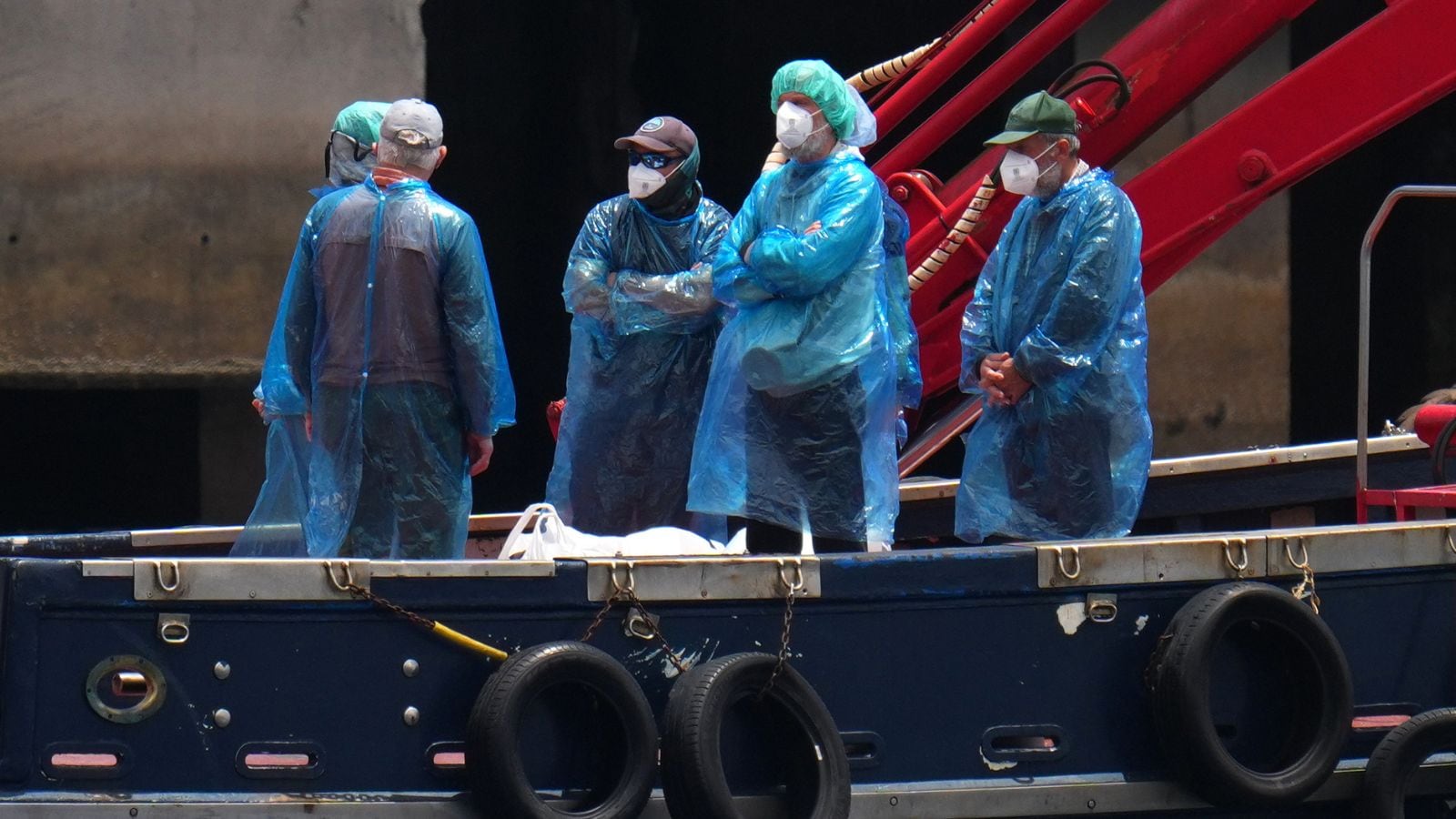
While public health headlines were still reeling from a sudden, tragic outbreak of gastrointestinal illness aboard a luxury cruise ship docked on the coast—an event that left hundreds confined to their cabins vomiting and terrified—a different kind of threat was quietly crossing the border. Cruise ships are loud environments for disease. They make noise. They involve thousands of people in close quarters, shared buffets, and rapid, traceable transmission. Norovirus or respiratory flu under those conditions is an explosion.
Hantavirus is a solitary stalker.
The connection between the two events is not one of biology, but of coincidence and heightened vigilance. When news broke of a suspected Hantavirus case in Canada hot on the heels of the cruise ship crisis, anxiety spiked. People looked at the global travel networks and wondered if a new contagion was leaping across continents.
But the truth is far more localized, and in many ways, more unsettling. The virus did not board a ship. It was already waiting in the woodpile.
To understand Hantavirus, we must look at the deer mouse, Peromyscus maniculatus. With its oversized ears, white belly, and large, innocent eyes, it looks more like a children’s book character than a vector for a disease with a mortality rate hovering near forty percent. Unlike urban rats or common house mice, deer mice prefer the great outdoors—forests, fields, and rural outbuildings.
The virus lives inside them without causing them a day of sickness. It is a perfect, ancient compromise between host and pathogen. The mouse goes about its life, foraging for seeds, building nests, and shedding the virus through its saliva, urine, and feces.
The danger to humans begins when that waste dries.
The Physics of an Invisible Threat
Think of a dry sponge. If you drop it on the floor, nothing happens. But if that sponge is brittle, aged, and crumbles into fine powder, the slightest breeze sends its particles into the air you breathe.
When a person sweeps a broom across a dusty cabin floor, opens an old camper, or cleans out a neglected garden shed where infected mice have nested, they create an aerosol. The invisible viral particles are kicked up into the breathing zone. One deep breath is all it takes. The virus hitches a ride past the nasal passages, down the trachea, and deep into the delicate air sacs of the lungs.
Once inside, it targets the endothelial cells—the microscopic bricks that line the interior of your blood vessels.
In a healthy body, these cells form a tight, secure barrier, keeping fluids where they belong. The virus forces these cells to leak. It does not destroy the tissue directly; rather, it triggers an immune response so fierce, so overwhelmed, that the body’s own defenses turn against it. The lungs begin to fill with fluid from the inside out.
Physicians call this Hantavirus Pulmonary Syndrome (HPS). To the person lying in the ICU bed, it feels like drowning while on dry land.
The early symptoms are a cruel camouflage. For the first one to five days, a patient will experience:
- Fever and chills
- Severe muscle aches, particularly in the thighs, hips, and back
- Headaches and dizziness
- Nausea, vomiting, or diarrhea
Because these symptoms mirror everything from the common influenza to the exhaustion of a hard week of physical labor, almost no one suspects Hantavirus initially. A person thinks they have the flu. They take some acetaminophen, crawl into bed, and wait to get better.
Then comes the pivot.
Suddenly, the respiratory phase hits. The coughing begins. The chest feels tight, as if a heavy iron band is being tightened around the ribs. Breathing becomes a conscious, exhausting effort. At this stage, the disease progresses with terrifying speed. Within hours, a patient can go from speaking normally to requiring a mechanical ventilator to survive.
The Geography of Risk
There is a common misconception that rare diseases belong to faraway places, to dense tropical rainforests or crowded mega-cities with poor sanitation. Hantavirus flips this script completely. It thrives in the spaces we associate with health, fresh air, and escape: the wilderness of western North America.
From the rural stretches of Alberta and British Columbia down through the American West, the virus is a permanent resident of the ecosystem. It does not care about national borders or travel restrictions. It follows the population cycles of its rodent hosts.
When a winter is mild and rainfall is heavy, the wilderness provides an abundance of food. Pine cones, acorns, and seeds drop in massive quantities. The deer mouse population booms. As their numbers grow, they seek out new real estate. They find their way into the crawlspaces of suburban homes, the upholstery of stored tractors, the glove boxes of parked trucks, and the quiet corners of summer cottages.
This is why the suspicion of a case in Canada sent a ripple of concern through public health circles. It serves as a stark reminder that as we push further into rural landscapes, and as our summers grow longer and more erratic, the boundaries between the human world and the wild world blur.
We are not separate from the ecosystems we visit for the weekend. We are participants in them.
The Anatomy of Protection
The fear of an invisible, airborne killer can easily paralyze us, turning a weekend trip into an exercise in paranoia. But panic is a poor shield. Knowledge, applied with meticulous care, is the only thing that breaks the chain of transmission.
If you are opening a building that has sat empty for months, or if you are cleaning an area where you suspect mice have been, the golden rule is simple: never sweep, and never vacuum.
A broom is an acceleration device for the virus. A standard vacuum cleaner simply sucks up the viral particles and sprays them out of the exhaust vent into the room, creating a concentrated cloud of danger. Instead, the approach must be wet, deliberate, and clinical.
Imagine you are managing a biohazard, because, in a very real sense, you are.
First, open the doors and windows to let the space air out for at least thirty minutes before you begin working. Leave the area while this happens. Let the moving air do the heavy lifting of clearing out any stagnant atmosphere.
Second, equip yourself. At a minimum, wear gloves made of rubber, latex, or vinyl. If the area is heavily infested, a well-fitted N95 respirator mask is a vital barrier between your lungs and the dust.
Third, drown the danger. Before touching any droppings or nests, thoroughly soak them with a disinfectant. A simple solution of one part household bleach to ten parts water works perfectly. Spray the area until it is completely wet. The goal is to weigh down the dust, ensuring that no particle can become airborne.
Let the bleach solution sit for five minutes. This kills the virus on contact, rendering the waste inert.
Finally, wipe up the mess using paper towels or old rags. Do not scrape or scrub aggressively. Gently lift the wet material away. Once finished, place the paper towels, the nests, and even the gloves into a plastic bag, seal it tightly, and dispose of it in an outdoor trash bin. Wash your hands thoroughly with soap and warm water immediately afterward.
It is a tedious process. It lacks the satisfying speed of a quick sweep with a broom. But those fifteen extra minutes are the boundary line between a normal summer and a medical catastrophe.
The Silent Frontier
There is no cure for Hantavirus. No magic pill, no specific antiviral medication that can wipe it from the system once it takes hold.
If a person becomes infected, the medical treatment is purely supportive. It is a battle of endurance. Doctors use ventilators to force oxygen into the failing lungs, manage blood pressure with specialized medications, and sometimes use advanced life-support systems like ECMO—which drains the blood, oxygenates it artificially outside the body, and pumps it back in—to buy the patient time.
The goal is simply to keep the person alive long enough for their own immune system to clear the fog, calm the inflammation, and repair the leaking vessels.
When patients receive care early, their chances of survival skyrocket. The tragedy occurs when the diagnosis is delayed, when the patient stays home thinking they can sleep off a bad case of the flu, unaware that their lungs are filling with fluid.
That is why awareness is the most critical tool in the medical arsenal. If you fall ill with a sudden, severe fever and breathing difficulties within one to six weeks of cleaning a rural space or handling rodents, you must tell the medical staff explicitly. Do not assume they will guess. A doctor in an urban hospital may not immediately think of a deer mouse in a rural shed unless you give them the missing piece of the puzzle.
The sun begins to set over the lake, casting long, orange ribbons across the water. The cabin is clean now. The windows are shut, the kitchen counters gleam, and the fire in the hearth takes the chill out of the evening air.
A child curls up on the sofa with a book, breathing deeply, completely unaware of the invisible drama that plays out in the quiet spaces of the world. Safety is not the absence of danger. It is the quiet presence of care, the understanding of the hidden boundaries of the wild, and the respect we owe to the things we cannot see.