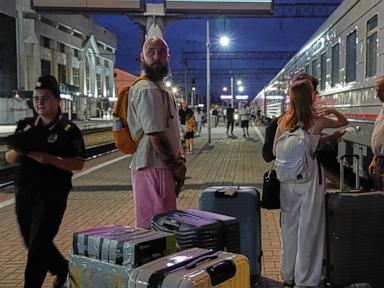
Borders shut tight. Flights cost a small fortune. Bureaucratic walls rise higher by the week. Yet, thousands of Russians are still packing up what they can carry and walking across borders. They aren't leaving for a lifestyle upgrade in Bali or a corporate tech job in Berlin. They are running from a ghost that refuses to stay in the past.
Fear of a fresh mobilization wave drives this ongoing exodus. Official denials from Moscow mean little when historical precedent tells citizens a very different story. When the state insists everything is fine, people start packing bags. Let's look at what is actually happening on the ground and why this quiet migration wave refuses to end.
The Reality Behind Closed Doors
Official statistics paint a picture of domestic stability. State media frames those who left as misguided outliers. The reality experienced by ordinary families looks entirely different.
Draft notices still arrive with terrifying regularity. Even without a massive public decree announced on television, local enlistment offices quietly adjust their quotas. Men of military age live in a state of chronic anxiety. They avoid public transportation, skip registering their actual addresses, and keep packed bags near the front door.
When you know the rules can change overnight, long-term planning becomes impossible. People make decisions based on survival rather than career trajectories.
Where Do They Go Now
The map of available destinations shrank dramatically over the last few years. Direct flights to Europe disappeared. Visa restrictions made traditional safety nets nearly unreachable for the average citizen.
Instead, a grueling overland and secondary-route migration took shape. Neighboring countries like Kazakhstan, Georgia, Armenia, and visa-free hubs in parts of Asia absorb the brunt of this wave.
Living in exile brings its own set of brutal challenges. Bank accounts freeze. Remote work contracts get terminated due to sanctions compliance. Expats face sudden legal changes in host countries that turn their temporary sanctuary into a logistical nightmare. Yet, many prefer the instability of a foreign rental apartment over the absolute certainty of a trench.
+------------------+-----------------------------+-----------------------------+
| Destination Hub  | Primary Advantage           | Main Daily Challenge        |
+------------------+-----------------------------+-----------------------------+
| Central Asia     | Visa-free entry, language   | Tightening local regulations|
| Caucasus         | Proximity, open borders     | Rising housing costs        |
| Southeast Asia   | Distance from conflict zone | Expensive travel, visas     |
+------------------+-----------------------------+-----------------------------+
The Psychological Toll of Permanent Limbo
Leaving your homeland with a one-way ticket changes you. You become a ghost in two worlds. Back home, you are viewed with suspicion or erased entirely. Abroad, you struggle to prove your worth in economies that treat Russian passports like toxic assets.
Families split across borders face agonizing choices. Do you stay together and risk everything, or separate so one breadwinner can send money home safely? These aren't abstract policy debates. They are kitchen table conversations happening in thousands of apartments right now.
What Happens Next
The current outflow differs vastly from the initial panic of early escalations. This movement is calculated, quiet, and desperate. People liquidate assets at a loss. They learn new languages on mobile apps while standing in immigration queues.
As long as the underlying threat of conscription persists, this underground railway of human displacement will continue. Borders can close, currencies can collapse, and red tape can multiply, but the primal urge to protect one's life remains stronger than any state decree.
Stop expecting a sudden reversal. The people leaving today know something fundamental about the system they left behind. They aren't coming back anytime soon.