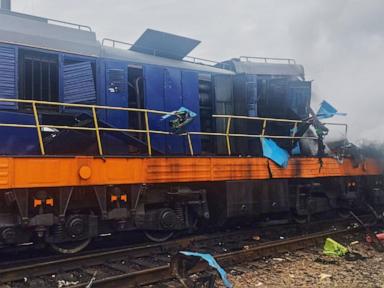
Civilian transportation networks are rarely spared in modern warfare, but Ukraine's state-run railway system faces a uniquely relentless threat. When a Russian drone struck a commuter electric train parked at a platform in Sumy, it underscored a grim reality. Fortunately, passengers had already been cleared and the crew had taken shelter, resulting in zero casualties. But this incident wasn't an isolated anomaly. It's part of a broader, escalating pattern targeting the country's civilian railway infrastructure.
The Shift Toward Railway Targets
In the early phases of the full-scale invasion, logistics hubs, tracks, and electrical subtransmission grids bore the brunt of infrastructural assaults. Over time, however, the targeting evolved. Russian forces began actively hitting moving passenger trains, locomotives, and station platforms. According to data from Ukrainian Railways, known as Ukrzaliznytsia, thousands of individual attacks on rolling stock and railway assets have been logged. Building on this topic, you can find more in: The Summer the Sky Lost Its Patience.
Human Rights Watch and international monitors have repeatedly flagged these developments. Passenger trains carry families, children, and daily commuters who are civilians by any legal definition. While military personnel occasionally utilize public transport while off-duty, the systematic targeting of commuter routes and mainline passenger services places millions of non-combatants at direct risk.
How Operations Keep Running Under Fire
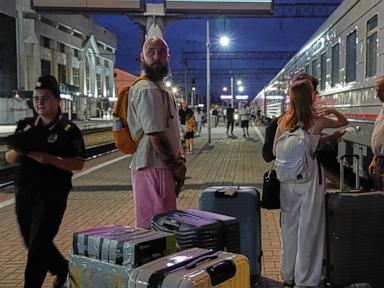
Running a national rail grid while under constant aerial threat requires complex logistics and split-second decision-making. Train managers, conductors, and station dispatchers operate under strict protocols designed to minimize casualties. When air raid sirens blare, automated warnings and local spotters prompt immediate evacuations. Crews pull trains to emergency stops, and passengers are rushed into underground shelters or reinforced station areas. Experts at Associated Press have shared their thoughts on this trend.
This playbook prevents massive loss of life, but it turns routine travel into an exhausting ordeal. Journeys that once took hours now face indefinite delays. Replacement locomotives have to be constantly re-routed to haul carriages past damaged tracks and burnt-out engine cabs. The psychological toll on railway workers, who return to clear debris and salvage rolling stock immediately after blasts, is immense.
The Broader Strategic Context
Infrastructure targeting serves a dual purpose in prolonged conflicts. By hitting locomotives and power nodes, operators aim to paralyze internal mobility, disrupt economic activity, and cut off vital supply lines. Yet, despite repeated strikes from jet-powered drones and loitering munitions, the rail network remains operational. Millions of citizens still rely on it to evacuate hot zones, reach family members, and keep essential regional commerce alive.
Repair crews work around the clock to patch lines and swap out damaged equipment. Until robust air defense coverage can completely secure transport corridors, the rhythm of Ukrainian rail travel will continue to be dictated by the whine of incoming drones and the discipline of subterranean shelters.
Drone threats set the schedule for Ukraine's passenger trains
A brief look at how air raid alerts and persistent drone threats continually disrupt everyday passenger rail journeys across Ukraine.