Dawn arrived over Moscow with a strange, unnatural clarity. Frost clung to the wrought-iron fences of the schoolyards, and beneath gray March skies, citizens walked briskly toward designated polling stations. Inside these municipal buildings, folding tables stood draped in green cloth. Ballot boxes sat waiting. For months, state television had broadcasted an immutable narrative of absolute control, framing the upcoming presidential election as an unbroken continuation of state power.
Then came the sound.
It was not thunder. Thunder belonged to the clouds. This was a metallic buzzing, a low, persistent whine that grew from a distant murmur into a roaring crescendo before shattering the morning quiet.
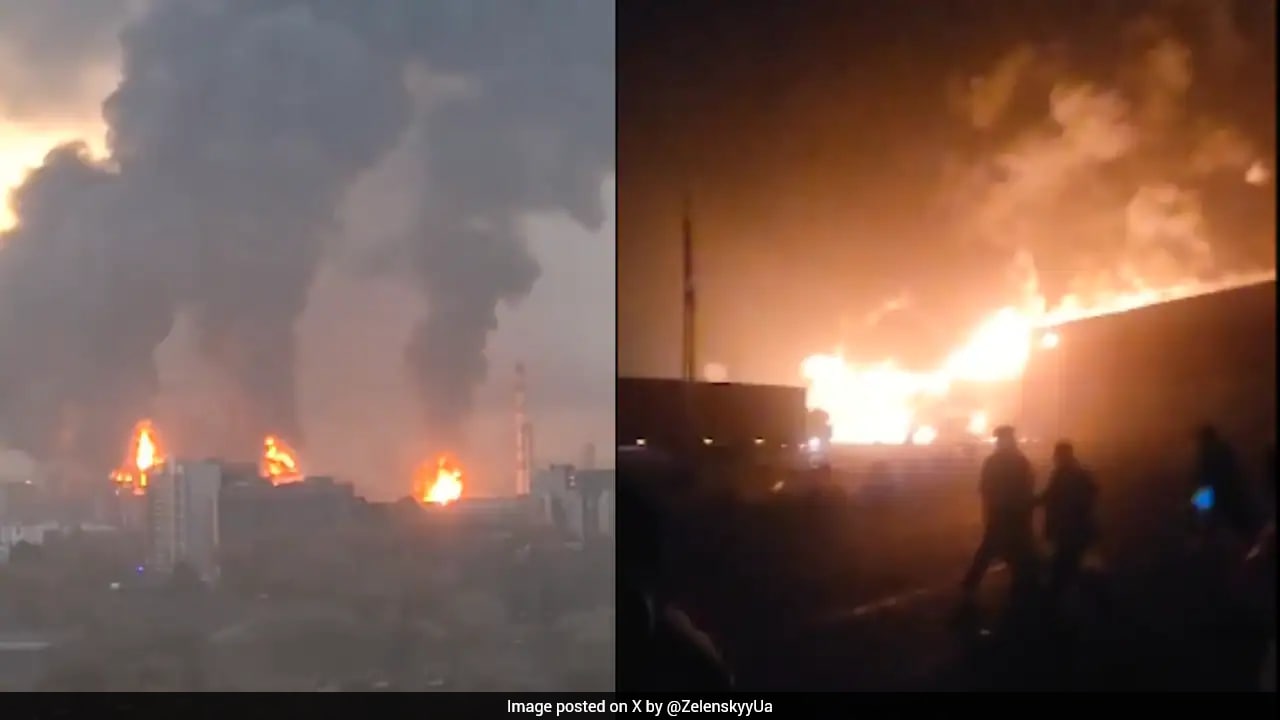
Explosions rippled across the horizon. Smoke billowed over industrial districts, painting dark bruises across the pale morning sky.
For the average citizen, the war had always felt distant. It was something that happened on evening news broadcasts, a localized tragedy unfolding in far-flung towns and muddy trenches hundreds of kilometers to the south. But on this morning, the geography of the conflict collapsed entirely. The front line had crossed the threshold of the capital.
Consider Alexei, a fictionalized portrait of a lifelong Moscow resident whose daily routine remained utterly tethered to the city's rhythms. Alexei woke up at six, brewed strong black coffee, and prepared to walk his usual route to cast his vote. He expected bureaucratic monotony. He expected the quiet hum of community centers, the polite nods of neighbors, and the familiar theater of civic duty. Instead, he stepped outside into a city gripped by sudden, acute tension. Sirens wailed in the distance. Interceptor missiles streaked upward, leaving thin, chaotic ribbons of white vapor across the stratosphere.
The psychological shock of that moment cannot be overstated. When an aerial barrage targets a metropolis of millions during a high-stakes national vote, the illusion of immunity evaporates instantly.
The mechanics of this escalation represent a fundamental shift in modern conflict. Ukraine's long-range drone strategy had evolved from experimental prototypes into a vast, industrialized network of unmanned systems. These are not crude, improvised devices. They are sophisticated, autonomous flyers capable of navigating complex electronic warfare environments, skirting radar installations, and striking high-value targets deep within Russian territory. On this particular election weekend, hundreds of these drones converged in coordinated waves.
The targets were deliberate. Refineries, fuel depots, and industrial nodes powering the logistical backbone of the state became magnets for incoming strikes. When a drone slammed into a facility at the Moscow oil refinery, secondary explosions illuminated the night, sending towers of fire into the atmosphere. The economic ripple effects were immediate. Regional fuel shortages, disrupted supply lines, and anxious queues at filling stations began to fracture the everyday normalcy that the government had worked so hard to maintain.
Elections in centralized states often serve as a mirror, reflecting both the strength of the ruling authority and the hidden fractures beneath the surface. The presence of international observers and local officials highlighted the profound friction of the moment. Authorities urged calm, deploying heavy security measures and warning citizens that unauthorized gatherings or public demonstrations would be met with swift criminal prosecution. Yet, beneath the official declarations of unity, an undercurrent of anxiety pulsed through the streets. Voters shuffling into booths faced a silent, internal dilemma. Their ballot papers offered only pre-approved choices, but their eyes were fixed on the smoking horizon outside the window.
History shows that when war knocks directly on the door of the center of power, the psychological contract between ruler and ruled begins to shift. Citizens who once traded political agency for stability suddenly find that stability is no longer guaranteed. Every wailing siren, every shattered window, and every plume of refinery smoke acts as a visible reminder of a costly foreign entanglement brought home.
Critics abroad branded the electoral process an empty ritual, pointing to the total suppression of genuine political opposition and the extension of Vladimir Putin's rule by another six years. Yet, the true barometer of the moment was not found in the official vote counts displayed on state monitors. It was found in the startled expressions of pedestrians looking up at the sky, in the closed shopping centers of border regions like Belgorod, and in the charred remains of industrial facilities burning on the edge of the capital.
The strategy behind the drone barrage was multifaceted. Military analysts suggest that beyond material destruction, the primary objective was psychological disruption—shattering the protective shield around Russia's urban centers and demonstrating that no territory is truly out of reach. By timing the assault to coincide with the electoral weekend, the operation pierced the carefully curated theater of invulnerability.
As the smoke slowly cleared over the industrial sector and election workers continued processing ballots behind reinforced glass, a new reality settled over the nation. The physical boundaries of the battlefield had dissolved. War is no longer something viewed through a television screen or read about in morning dispatches. It has become an active participant in daily life, whispering through the hum of overhead motors and casting long, permanent shadows over the ballot boxes.
To witness this is to understand the terrifying elasticity of modern war. It stretches across borders, leaps over advanced air defenses, and arrives uninvited at the doorstep of millions.
Record Ukrainian attack leaves Moscow ablaze on election day
This video provides contemporary news coverage detailing the massive scale of the drone barrage that targeted Moscow during the electoral period.