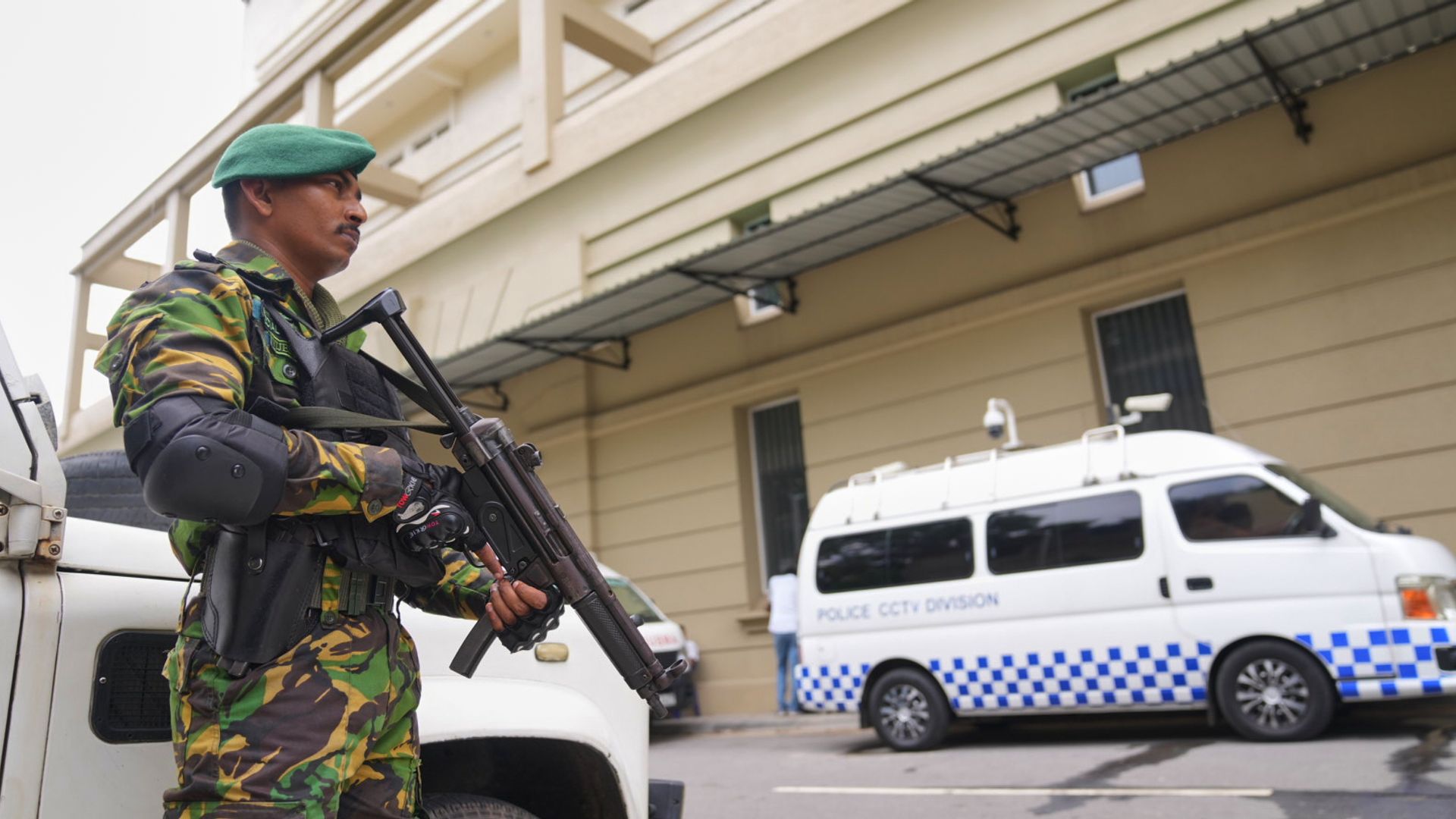
Fifteen men walked out of a Sri Lankan courtroom carrying judgments that should have brought closure to a nation scarred by tragedy. A Colombo special trial-at-bar convicted them for their roles in the devastating Easter Sunday bombings of 2019, an atrocity that claimed over two hundred and sixty lives across luxury hotels and churches. Justice was delivered, or so the official record states. But in a country where political survival often supersedes accountability, a judicial verdict in a vacuum changes very little.
The legal machinery ground forward, securing convictions under the stringent provisions of the Prevention of Terrorism Act. Yet the core anatomy of the attack remains shrouded in institutional failure, intelligence lapses, and unanswered questions that stretch far beyond the defendants standing in the dock. Discover more on a similar topic: this related article.
The Anatomy of a Preventable Catastrophe
To understand why a courtroom ruling in Colombo feels hollow to many veterans of South Asian security reporting, one must return to the weeks preceding April 21, 2019. Foreign intelligence agencies, specifically from India, had transmitted explicit warnings regarding an imminent strike by local jihadist cells. These alerts were not vague whispers in the diplomatic ether. They named specific targets, identified key operatives, and outlined the operational methodology of National Thowheeth Jama'ath.
The warnings sat on desks. Bureaucratic inertia, inter-agency rivalry, and a toxic political stalemate between the sitting president and prime minister paralyzed the state apparatus. Security forces capable of preempting the carnage were reduced to passive observers. Additional reporting by NPR explores comparable views on this issue.
When the bombs detonated at St. Anthony’s Shrine in Colombo, St. Sebastian’s Church in Negombo, and the Cinnamon Grand, Shangri-La, and Kingsbury hotels, the failure was not merely tactical. It was systemic. The fifteen men convicted in this latest trial executed the operational directives, but the architectural failures that allowed them uninterrupted passage through civil society continue to evade full judicial excavation.
The Network Beneath the Surface
National Thowheeth Jama'ath was not an isolated monolith operating in total secrecy. Its leader, Zahran Hashim, had radicalized disciples across the Eastern Province through fiery online sermons and localized recruitment networks that operated in plain sight. Local police and intelligence units had tracked radical elements for years, noting foreign travel, suspicious financial flows, and affiliations with transnational extremist ideologies.
Why did actionable intelligence fail to translate into preventative detention?
The answer lies in the fractured governance model of the period. National security had become a political football. Agencies reported to rival power centers that communicated through press releases rather than secure channels. When foreign partners handed over target packages, local coordinators lacked the unified command structure required to act decisively.
The defendants now facing lengthy prison sentences represent the tactical tier. They built the circuits, packed the explosives, and walked into sanctuaries of worship with backpack payloads. But prosecuting the foot soldiers while the intellectual origins, financial conduits, and administrative blind spots remain obscured leaves the broader threat matrix intact.
The Geopolitical Fallout
The 2019 attacks fundamentally altered Sri Lanka’s domestic political landscape and its delicate foreign policy balance. In the wake of the bombings, the electorate gravitated toward a platform of muscular nationalism and centralized security, promising iron-fisted stability.
Concurrently, Colombo became a diplomatic chessboard. Major powers sought increased intelligence-sharing access and maritime security arrangements, viewing the island nation as a critical linchpin in Indian Ocean stability. The tragedy accelerated the militarization of civil administration and introduced sweeping surveillance laws that civil society groups argued threatened fundamental liberties under the guise of counter-terrorism.
Security reform in post-conflict or post-crisis states often mirrors a pendulum swing. Authorities lurch from dangerous complacency to overreaching authoritarianism without building the professional, depoliticized investigative agencies necessary to meet modern asymmetric threats.
Beyond the Courtroom Doors
As the prison doors close behind the fifteen convicted men, the public relations machinery of the state will point to this verdict as proof that justice runs its course. Families of the victims, foreign governments that lost citizens, and citizens navigating economic turmoil are expected to accept this closure as final.
History suggests otherwise.
When accountability stops at the operational tier, impunity thrives in the administrative ranks. The institutional cultures that ignored warnings, dismissed threat analyses, and prioritized political point-scoring over civilian protection have faced minimal structural overhaul. Until a state possesses the institutional maturity to prosecute its own failures with the same zeal it applies to insurgents, verdicts remain mere episodes in an ongoing tragedy rather than its conclusion.