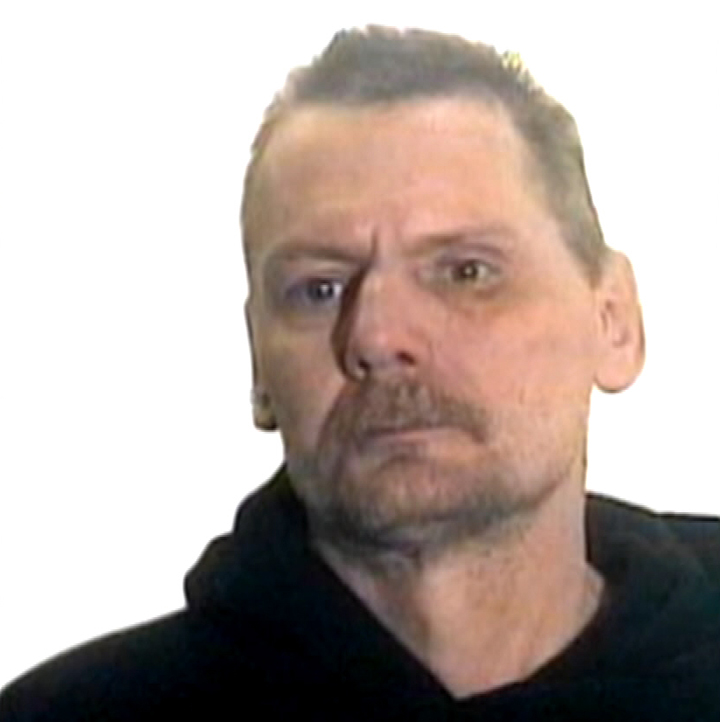
The justice system moves slowly until it abruptly reverses course. When parole boards pull a killer back off the streets, public attention spikes. Convicted murderer Shawn Lamb recently found his freedom cut short as the parole board revoked his statutory release. People want to know why. They want to understand how a violent offender ends up back in the community only to face immediate restriction.
Statutory release isn't parole. In Canada, federal offenders generally get released by law after serving two-thirds of their sentence, provided they aren't serving life without parole. It's automatic unless the Parole Board of Canada decides the offender is likely to commit an offense causing death or serious harm before their sentence officially expires. When someone like Lamb loses that privilege, it means warning signs flashed red. Risk assessments failed. Behavior inside or outside the institution triggered immediate alarms.
The Reality of Statutory Release
Most citizens assume prison sentences mean full incarceration until the very last day. That's rarely how the system works. The law mandates supervised release to help offenders transition back into society under supervision. Parole officers monitor them. Curfews apply. Conditions get attached.
Lamb's case highlights the friction between statutory rights and public protection. When an offender demonstrates that they cannot or will not abide by community supervision rules, the safety net snaps. The board steps in. They pull the plug on freedom.
Let's look at the mechanics. Why do releases get revoked? Usually, it's a mix of rule-breaking, failing drug or alcohol tests, associating with criminal elements, or displaying aggressive behavior that signals a return to old patterns. Supervision officers don't make these calls lightly. They build a file. They present evidence to the board.
Understanding the Background
Shawn Lamb's criminal history isn't ordinary. Convicted in connection with the deaths of vulnerable women in Winnipeg, his crimes shocked the community. Cases involving missing and murdered Indigenous women and vulnerable persons carry immense weight. When violent offenders reenter the public sphere, communities experience palpable anxiety.
Rehabilitation remains a core tenet of correctional systems, but public safety trumps all else. If an offender exhibits behavior that suggests the risk to reoffend is too high, the statutory release mechanism allows the board to step in and detain them until the end of their sentence.
Critics often argue the system gives too much leeway. Advocates for reform emphasize rehabilitation. But revocation orders show a system attempting to self-correct when community management breaks down.
What Happens Next in the System
When a statutory release gets revoked, the offender goes right back behind bars. They lose their liberty. They serve the remainder of their sentence inside a federal institution. No parole. No halfway house privileges. Just four walls until the warrant expiry date hits.
For victims' families, these decisions bring mixed relief. Relief that the individual is off the street, combined with the trauma of reliving the initial horror. The legal process drags on through reviews, board hearings, and ongoing administrative evaluations. It never truly feels finished.
Public tracking of these cases matters. Accountability keeps the justice system honest. When high-profile offenders violate their release conditions, the public deserves transparency on how decisions get made and why red flags were either missed or acted upon too late.
Keep an eye on how parole boards handle high-risk files moving forward. The pressure to balance rehabilitation with community protection grows heavier with every high-profile revocation. Check official parole board decisions for direct documentation on risk assessments and institutional updates if you want the unfiltered facts.