The headlines write themselves with lazy poetry. Millions of hectares of Siberian pine turned into skeletal grey toothpicks by the Siberian silkmoth, followed inevitably by catastrophic wildfires consuming the dry, dead timber. The narrative is neat, tragic, and entirely wrong.
Eco-alarmists love a simple morality play. Insects attack, trees die, fire destroys, humanity weeps. But nature is not a pristine postcard frozen in glass. It is a brutal, self-correcting machine. I have spent years tracking forest pathology and fire dynamics across remote taiga zones, and I am here to tell you that what the mainstream calls a crisis is actually a violent, necessary reset button. Building on this topic, you can also read: Why The Ukraine Drone Crash in Bulgaria Changes Everything We Know About Border Security.
Stop treating the Siberian forest like a manicured botanical garden. It is an ancient, volatile wilderness that requires shock therapy to survive.
The Flawed Premise of Forest Purity
Every major outlet covering the Siberian outbreak makes the exact same analytical error. They assume that a dead tree equals ecosystem failure. Observers at Al Jazeera have also weighed in on this situation.
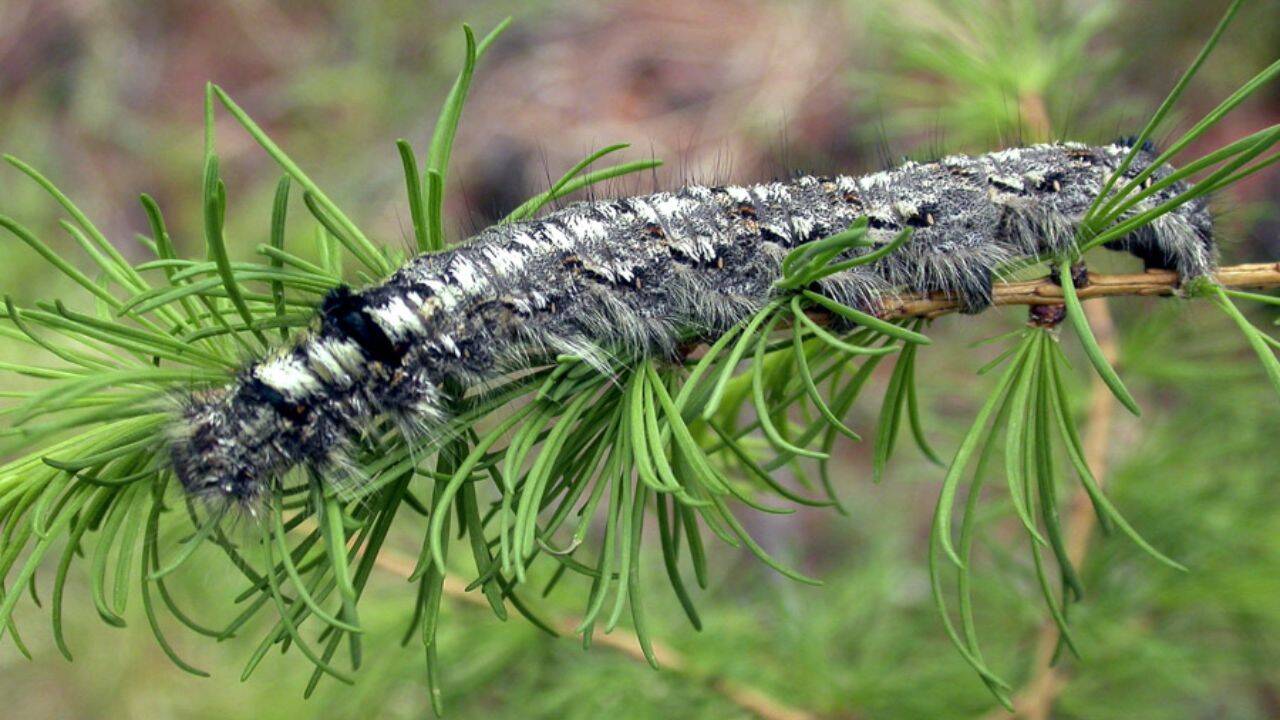
Look closer at the mechanics of the taiga. The Siberian moth, known scientifically as Dendrolimus sibiricus, is not an invasive anomaly or a plague sent by a broken climate. It is a native resident acting as an aggressive thinning agent. For decades, dense, over-mature stands of dark coniferous taiga accumulate biomass. Trees crowd each other out. Canopy closure chokes the understory. Stagnation sets in.
Enter the moth.
By defoliating vast swaths of old, weak spruce and fir, the moth population does what timber companies and conservationists lack the stomach or the logistics to do across millions of square kilometers of inaccessible permafrost: it breaks the canopy.
To understand why this matters, you have to abandon the emotional attachment to green needles. A dense, uniform canopy starves the forest floor of light. When the moth kills the mature overstory, sunlight suddenly hits the soil for the first time in a century.
The Ignition Fallacy
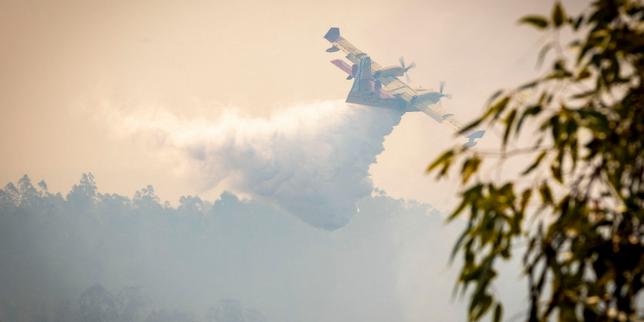
The lazy consensus claims that the dead, insect-killed timber acts as an unprecedented tinderbox, driving apocalyptic wildfires that release carbon bombs into the atmosphere.
Data tells a more nuanced story. Dead trees lose their needles rapidly. Once those needles drop—within the first year or two after an attack—the immediate crowning hazard actually decreases compared to a forest choked with dead lower branches and dense, resinous ladder fuels. The real danger does not come from the standing grey ghosts of the moth kill; it comes from the decades of fire suppression that preceded it.
When fires do sweep through a moth-damaged zone, they behave differently. The opened canopy allows for rapid wind drying of surface fuels, yes, but the intensity of the burn is often decoupled from the standing dead timber. More importantly, these fires clear out the accumulated organic Duff layer, exposing mineral soil.
Mineral soil is the holy grail of taiga regeneration. Without it, seeds cannot root. Without fire, the Siberian larch and birch cannot replace the dying spruce and fir.
The Biological Reset Nobody Wants to Fund
Imagine a scenario where we successfully eradicated every Siberian moth and stopped every wildfire in the taiga. Within fifty years, you would not have a vibrant, healthy forest. You would have a massive, collapsing monoculture of rotting biomass, completely vulnerable to pathogen collapse and catastrophic soil exhaustion.
Forests need disturbance. The moth-fire feedback loop is the taiga's primary mechanism for nutrient recycling.
When the moth attacks, it transfers massive amounts of nitrogen and carbon directly to the forest floor via frass and falling needles. When the subsequent fire sweeps through, it mineralizes those nutrients instantly, turning a stagnant biological desert into an ash-fertilized bed for pioneer species. This is not destruction. This is succession.
We suffer from a profound lack of historical perspective. We look at a snapshot of a burning forest and scream about an emergency, ignoring the fact that this exact cycle has shaped the Eurasian landmass since the Pleistocene.
Dismantling the Carbon Panic
The standard counter-argument is immediate and predictable: what about the carbon?
Critics love to tally up the gigatons of carbon released during a severe taiga fire season and declare it a feedback loop to planetary doom. They treat the forest as a static carbon bank.
Nature does not care about your accounting ledger. A mature, stagnant forest stops sequestering net carbon; it reaches a saturation equilibrium where decay equals growth. An old stand of Siberian spruce is essentially a ticking biological time bomb of accumulated fuel. By resetting the clock, the moth and the fire clear the board for a new generation of fast-growing saplings that will aggressively scrub carbon from the atmosphere at rates a geriatric forest could never match.
The carbon is not lost to the system; it is recycled. The new growth phase captures it back with interest over the following decades.
What Actually Needs Fixing
If we want to worry about Siberian forests, we are looking at the wrong threat. The real danger is not the natural oscillation of moth populations and lightning-strike fires.
The real danger is human interference.
When we try to salvage-log moth-killed timber using heavy machinery, we compact the fragile permafrost soils, tear up root systems, and destroy the natural regeneration pathways. When we throw millions of rubles at suppressing remote fires that threaten no human infrastructure, we store up fuel loads that guarantee a worse disaster down the road.
We need to stop managing the taiga like a timber farm.
The Siberian moth outbreak is a symptom of a living, breathing ecosystem doing what it has always done. It is violent, it is messy, and it makes for uncomfortable television. But the moment we manage the wilderness into a state of artificial safety, we kill the very resilience that keeps it alive.
Let the bugs eat. Let the fires burn. The forest will be fine long after our panic has burned out.