The evening air in suburban Montreal carried the distinct crispness of late autumn, that quiet hour when families usually retreat indoors to chase away the chill with warm meals and closed curtains. Outside a synagogue near Montreal, normalcy reigned until a sudden, concussive sound fractured the dark.
Gunfire. You might also find this similar story interesting: The Mask and the Shadows of a Quiet Hunt.
Two men fell. Critical injuries. Sirens slicing through the neighborhood minutes later, their red and blue strobes painting panicked patterns across brick facades and bare tree branches.
To read a headline about a shooting near a synagogue is to brush against a terrifying modern reality. We skim the words on glowing screens—two men critically injured—and our brains attempt to file the violence away into a neat category of distant tragedies. But numbers do not bleed. Bullet fragments do not care about statistics. Behind every flashed news alert lies a terrifying rupture of safety, a moment where ordinary lives pivot on the trajectory of a speeding lead projectile. As extensively documented in latest coverage by Reuters, the results are significant.
Consider what happens in the seconds after violence strikes a sacred space.
The sanctuary door, meant to be a threshold of peace, study, and communal gathering, suddenly becomes a boundary line between survival and catastrophe. Inside, prayers are interrupted by the unmistakable, violent pop of gunfire. Outside, two individuals are left fighting for their breath on asphalt that seconds earlier was entirely unremarkable. First responders arrive with frantic urgency, performing triage under the glaring glare of cruiser headlights. Every second stretches into an eternity.
This is not merely a local crime story. It is a symptom of a creeping sickness that has begun to poison communities across the globe. Houses of worship have historically stood as civic anchors—places designed to offer sanctuary not just spiritually, but physically. When violence pierces those perimeters, the psychological shockwave extends far beyond the immediate victims. It rattles every parent walking their child to Hebrew school, every congregant gathering for evening services, every neighbor who assumed their street was immune to the headlines they usually watch from afar.
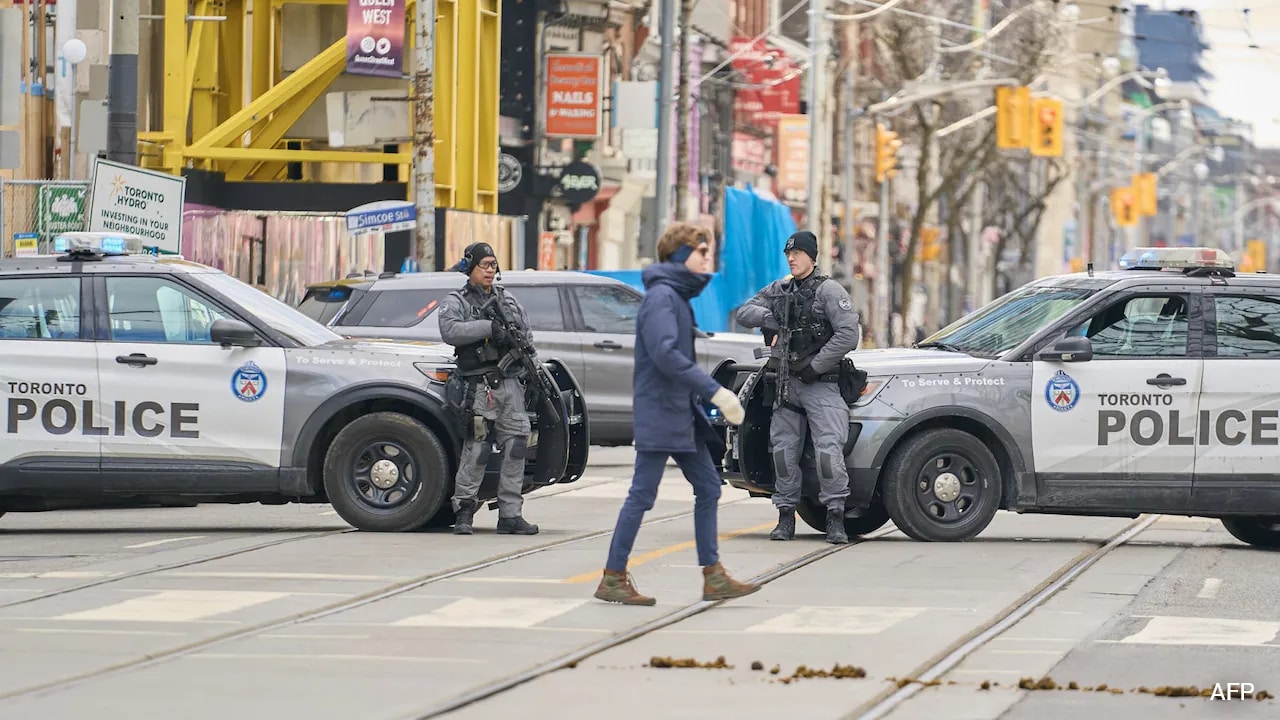
The details emerging from the investigation are sober and grim. Police tape cordons off the perimeter. Detectives comb the freezing pavement for shell casings, searching for clues that might explain why hate or recklessness chose this specific coordinate on the map. Yet, the broader narrative is rarely just about the shooter or the weapon. It is about the resilience of a community forced to ask an agonizing question: How do you keep sacred spaces safe without turning them into fortresses?
Fear is an architectural corrosive. It forces iron onto windows, guards onto doors, and suspicion into the eyes of strangers. But communities targeted by violence face an impossible choice. Surrender to paranoia, or defiantly continue the traditions that define their heritage.
History teaches us that communities bound by faith and shared identity have weathered these storms before. The stone of synagogues, mosques, and churches has borne witness to centuries of persecution, yet the lights inside continue to be lit week after week. The response to violence is never found in cowering. It is found in the stubborn insistence on gathering, on singing, on breaking bread, and on refusing to let the sound of gunfire become the loudest voice in the room.
As the two injured men fight for recovery in intensive care units, surrounded by monitors and anxious families, the neighborhood outside heals more slowly. The police tape will eventually come down. The flashing lights will fade. But the pavement remembers.
We are left with the echoing silence that follows the sirens, and a profound, unsettling reminder of how fragile our shared peace truly is. The real test is not whether we can secure every doorway against the dark, but whether we possess the collective courage to keep the light burning inside, no matter how close the shadows creep.