Silence.
When you spend enough years living out of a carry-on suitcase in the Gulf, you learn to measure time by the low, vibrating hum of wide-body jets descending through the desert haze toward King Khalid International Airport, a sound so constant and mechanical that you stop hearing it until the exact second it vanishes. For fourteen days, that sky went completely dead. The radars stayed lit, the concrete runways shimmered uselessly under a punishing sun, and the sudden quiet felt heavier than any explosion.
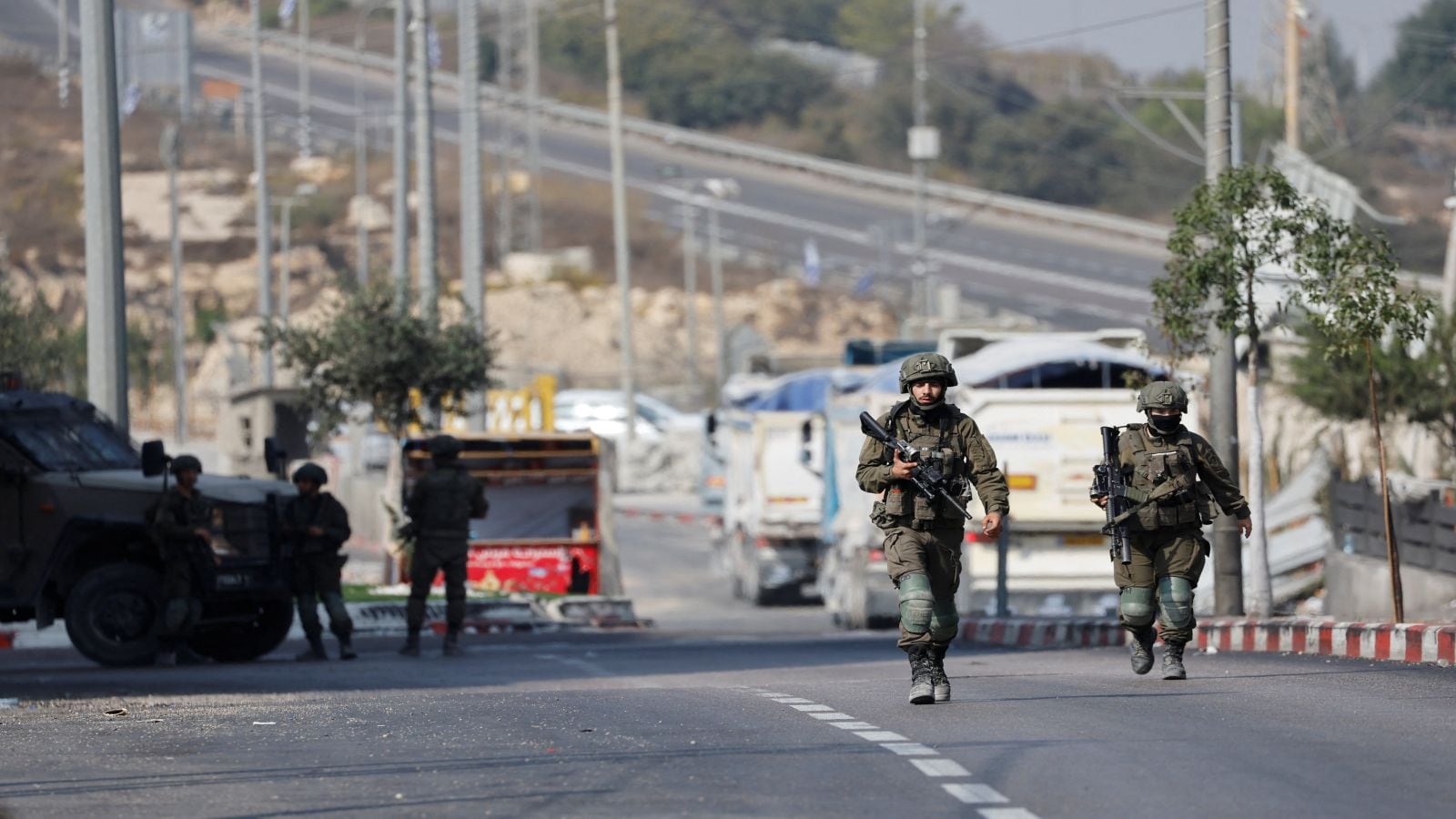
News wires summarize a two-week airport closure in clean, bloodless metrics. They give you dates, flight cancellation tallies, and terse military briefings about intercepted drones and ballistic missiles launched by Houthi forces from across the Yemeni border. What those dispatches miss is the immediate, suffocating claustrophobia that settles over a capital city of nearly eight million people when its primary artery to the outside world is severed.
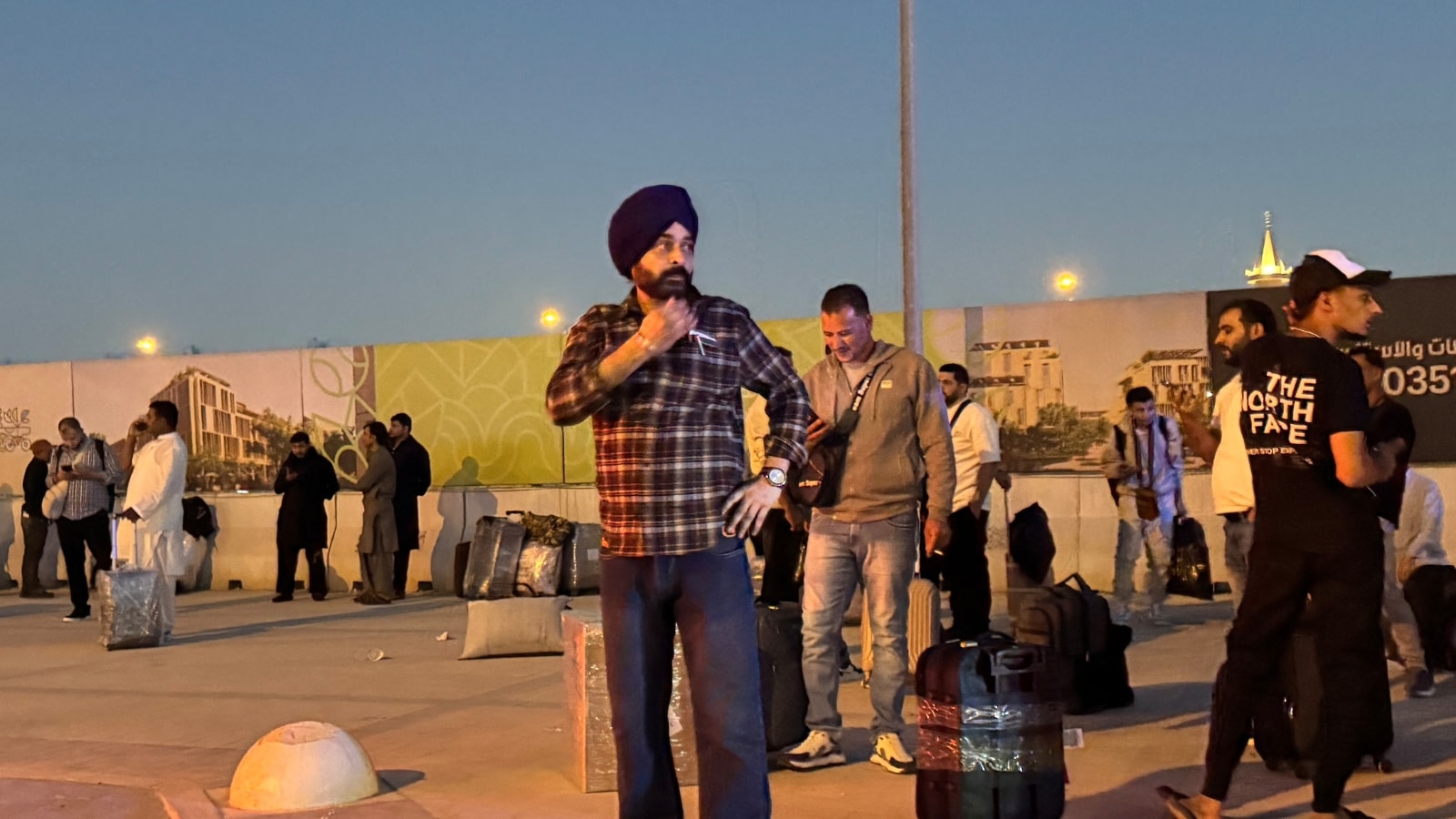
I was sitting in a cramped waiting room near Olaya Street during the third day of the shutdown, watching the fluorescent lights flicker against the dust on the windowpanes, when the true scale of the disruption finally sank in. Beside me sat a man—let’s call him Tariq, a hypothetical composite of the dozens of stranded engineers, nurses, and laborers who spent those two weeks living in limbo—staring at a boarding pass that had already been rebooked four times. His mother was waiting for a routine cardiac surgery in Amman, a two-hour hop away that had suddenly stretched into an impossible chasm.
Tariq did not care about geopolitical deterrence or asymmetric warfare. He cared about the fact that a single burst of shrapnel over the tarmac had turned his life into a holding pattern.
The Anatomy of a Modern Bottleneck
To understand why a two-week halt at Riyadh’s primary aviation hub sends shockwaves far beyond Saudi borders, you have to stop thinking of an airport as a train station for planes. Think of it instead as a biological heart. When a heart stops pumping, the brain doesn't just lose oxygen; toxins immediately begin to pool in the extremities, shutting down organs that have nothing to do with the chest cavity.
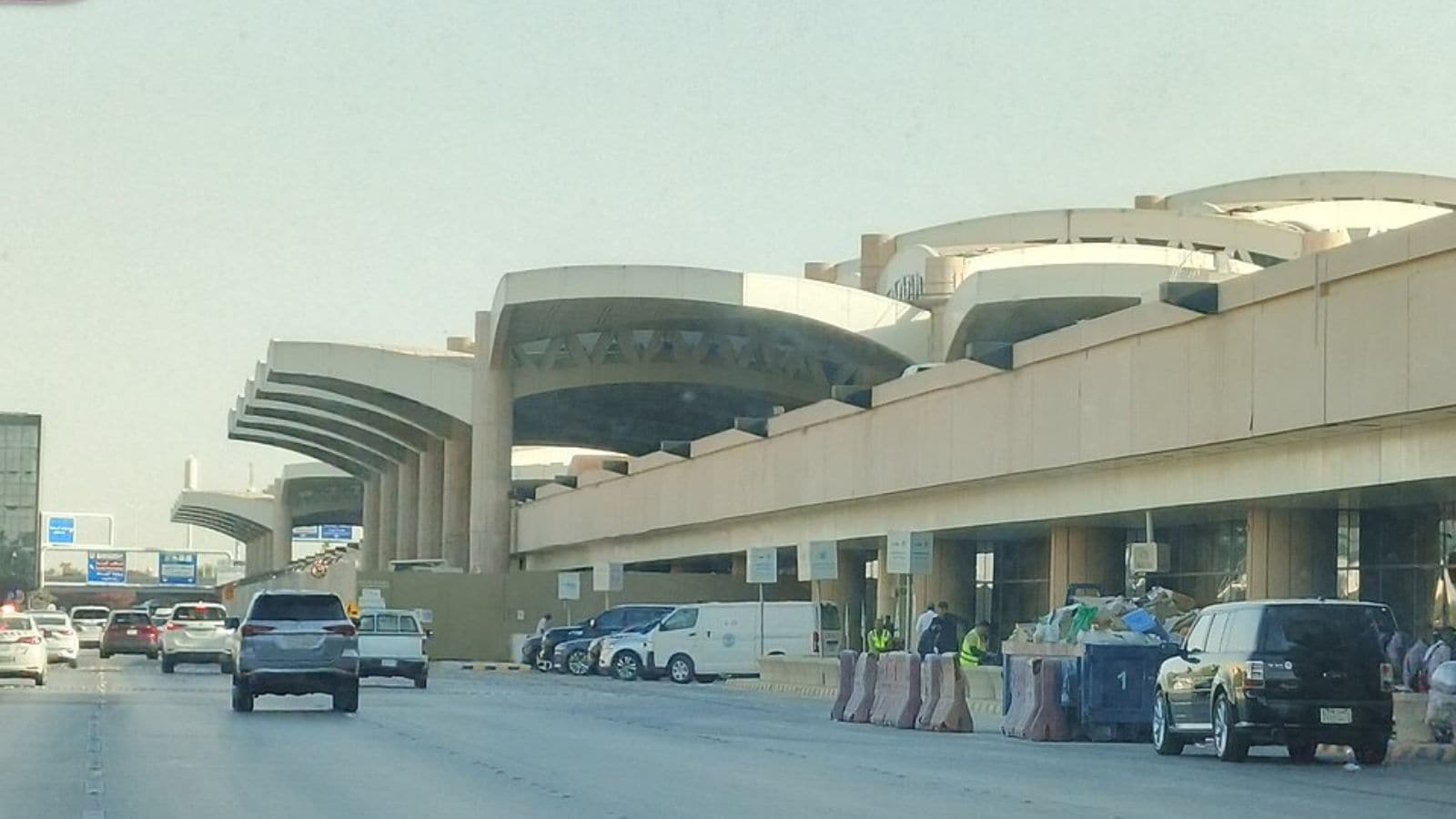
King Khalid International Airport sits roughly thirty-five kilometers north of downtown Riyadh, sprawling across a massive plateau of sand and scrub. In normal times, tens of millions of passengers pass through its terminals every year, alongside hundreds of thousands of tons of air freight. Medical isotopes that lose half their potency every few hours. Specialized turbine blades for desalination plants. Fresh produce, semiconductor components, and legal contracts requiring wet signatures.
When Houthi drone and missile strikes forced aviation authorities to suspend operations for two full weeks, that circulatory system clotted overnight.
Airlines scrambled to reroute long-haul traffic through Dammam on the eastern coast or Jeddah along the Red Sea, creating instant gridlock on highways that were never meant to absorb an entire capital’s international passenger load. A trip to London or Mumbai suddenly required a grueling, ten-hour overland drive across the Arabian Peninsula before you could even clear security. Freight forwarders watched perishable cargo rot on loading docks because air-cargo capacity across the region vanished within forty-eight hours.
If you have never tried to move critical supplies across a desert during a regional security alert, the logistics sound abstract. On the ground, it looks like warehouse managers frantically bidding triple the standard rate for refrigerated trucks while customs brokers sleep under their desks, trying to rewrite manifests for ports that were already operating at maximum capacity.
The Invisible Toll of Airspace Anxiety
Security analysts love to talk about the cost-exchange ratio of modern aerial conflict. A one-way attack drone assembled from commercial components and smuggled parts costs a fraction of the multi-million-dollar interceptor missile required to knock it out of the sky. On a spreadsheet, the math looks lopsided.
Down on the concourse, the math is measured in adrenaline and lost sleep.
During those fourteen days, a strange, brittle tension took hold of the city’s commercial districts. Restaurants stayed open, traffic still snarled along King Fahd Road at sunset, and coffee shops hummed with evening crowds. Yet everyone checked their phones with a new, involuntary twitch. Every rumble of distant thunder or low-passing military patrol triggered a split-second pause in conversation—a collective intake of breath while people waited to see if windows would rattle.
I remember talking to a cargo logistics coordinator in Riyadh who had spent seventy-two straight hours trying to reroute a shipment of specialized insulin for a local clinic network. His voice wasn't angry; it was hollowed out by sheer exhaustion. "People think war is only loud," he told me, rubbing red-rimmed eyes over a cup of lukewarm cardamom coffee. "Mostly, it’s just an endless pile of cancelled tracking numbers."
That is the hidden objective of striking civilian aviation infrastructure. You do not need to destroy a terminal building to paralyze a metropolis. You only need to introduce enough doubt into the actuarial tables of global aviation insurers that commercial pilots refuse to turn onto final approach. Once the insurance premiums spike and the safety advisories go red, gravity does the rest of the work.
Rebuilding Trust One Runway at a Time
Reopening a major international airport after a two-week security shutdown is nothing like unlocking the front door of a shop after a holiday. You cannot simply flip a switch and wave the jets back in.
Consider what has to happen behind the perimeter fence before a single commercial passenger is allowed to buckle a seatbelt. Radar arrays have to be recalibrated and stress-tested against low-altitude clutter. Air defense batteries surrounding the perimeter must synchronize their engagement protocols with civilian air traffic controllers so a commercial airliner on an unusual wind vector isn't mistaken for an incoming threat. Ground crews have to inspect every square meter of asphalt for foreign object debris, while aviation authorities from dozens of foreign nations independently verify that the airspace is safe enough to lift their own travel bans.
Imagine trying to conduct a symphony orchestra while the concert hall is still being swept for broken glass, knowing that a single missed cue could end in catastrophe. That was the pressure resting on the shoulders of air traffic controllers and civil aviation engineers in Riyadh as the two-week mark approached.
When the first commercial flights finally received clearance to resume operations, the atmosphere inside the terminals was nothing like the usual sterile rush of business travel. There was no complaining about delayed boarding groups or cramped overhead bins. Passengers stood pressed against the floor-to-ceiling glass watching the ground crews pull the chocks away from the nose gear of the first departing wide-body jet, holding their breath as the engines spooled up to full thrust.
The Fragility of the Connected World
We have spent the last thirty years building a global economy predicated on the assumption that distance is dead—that any city on earth is, at worst, a one-stop flight away. Riyadh itself has poured tens of billions of dollars into transforming its capital into a premier global crossroads for finance, tourism, and international diplomacy, betting its economic future on seamless connectivity.
Fourteen days of silence proved just how thin that veneer of permanence really is.
It is easy to feel cynical when reading headlines about regional ceasefires, hardened airport defenses, and resumed flight schedules, knowing full well that the underlying geopolitical fractures remain unresolved. Nobody walking through Terminal 1 or Terminal 2 today is naive enough to believe the sky is permanently immune to disruption. We have all seen how quickly a single trajectory on a radar screen can turn a thriving international hub into an empty concrete island.
Yet human beings possess a stubborn, almost defiant capacity to keep moving forward even when the horizon looks uncertain.
By the afternoon of the reopening, the departure boards were glowing green again, cycling through destinations from Cairo to Manila, London to New Delhi. In the bustling crowd near Gate 14, a man matching Tariq’s exact description stood gripping a freshly printed boarding pass, his knuckles white around the thin thermal paper as the jet bridge finally locked onto the fuselage of the waiting plane. Outside, the desert heat shimmered off the tarmac, the engines roared back to life, and the first shadow lifted off the runway, climbing hard into the pale, blinding glare of the open sky.