Governments love throwing big numbers around, but South Korea just set a new standard for industrial shock and awe. President Lee Jae Myung stood shoulder-to-shoulder with the heads of Samsung Electronics and SK Hynix to announce a jaw-dropping $576 billion initiative. This isn't just a routine upgrade to existing factories. It's an aggressive, state-backed relocation and expansion strategy that targets the absolute center of the global artificial intelligence boom.
If you use any advanced AI tool today, you're already relying on South Korean hardware. The country dominates the market for High-Bandwidth Memory (HBM), the specialized, high-speed memory chips that sit right next to Nvidia graphics processing units to keep AI models running. But the current hubs around Seoul are physically running out of room, power, and water. This massive 800 trillion won investment plan aims to build an entirely new production empire in the country's southwestern region, forcing a geographic and economic shift that could reshape the global tech landscape.
Breaking Down the New Triple Axis Strategy
The plan doesn't just focus on standard silicon fabrication. President Lee outlined what he calls a triple axis of growth: semiconductors, physical AI, and data centers. The execution relies on a massive partnership between the state and the private sector, but the actual money is coming heavily from the balance sheets of tech giants.
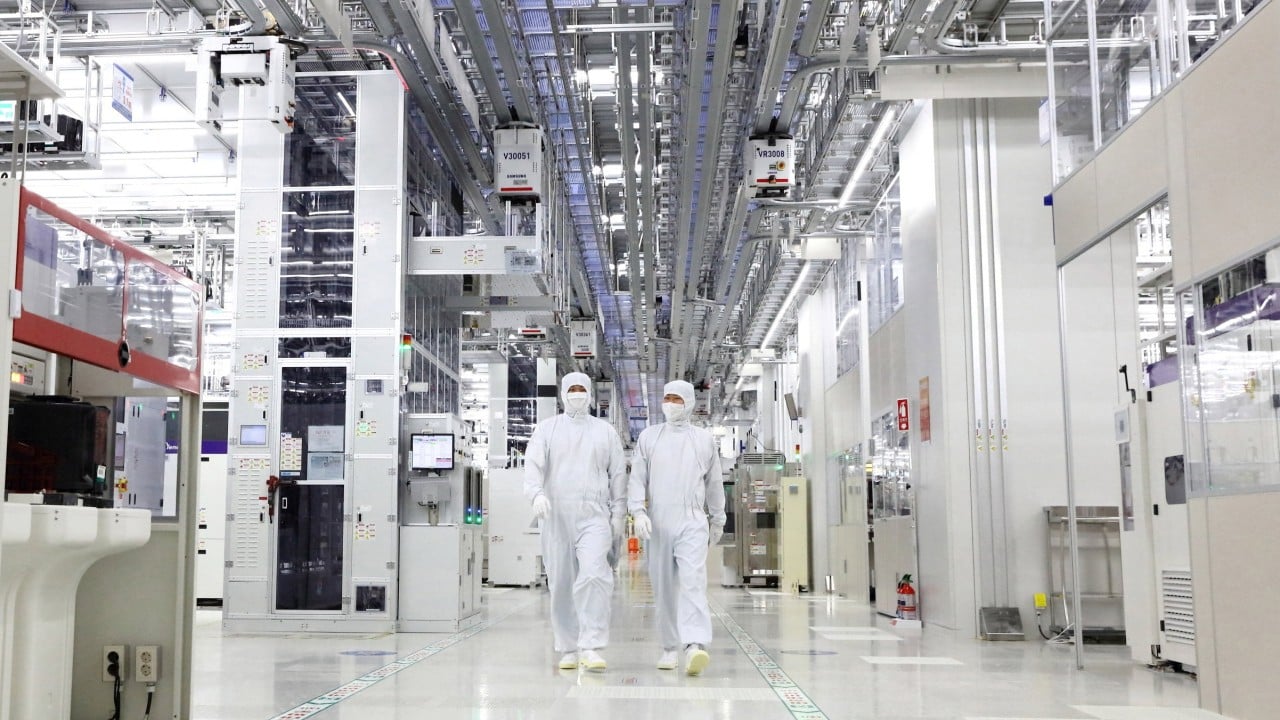
Samsung and SK Hynix, along with their primary local suppliers, are committing 800 trillion won ($518.3 billion) specifically to build four brand-new fabrication sites in the southwestern Honam region. Gwangju has already been selected by Samsung as a primary hub. To back this up, science minister Bae Kyung-hoon announced a parallel goal: spending 550 trillion won on AI data centers by 2029, with plans to scale that past 1,000 trillion won by 2035.
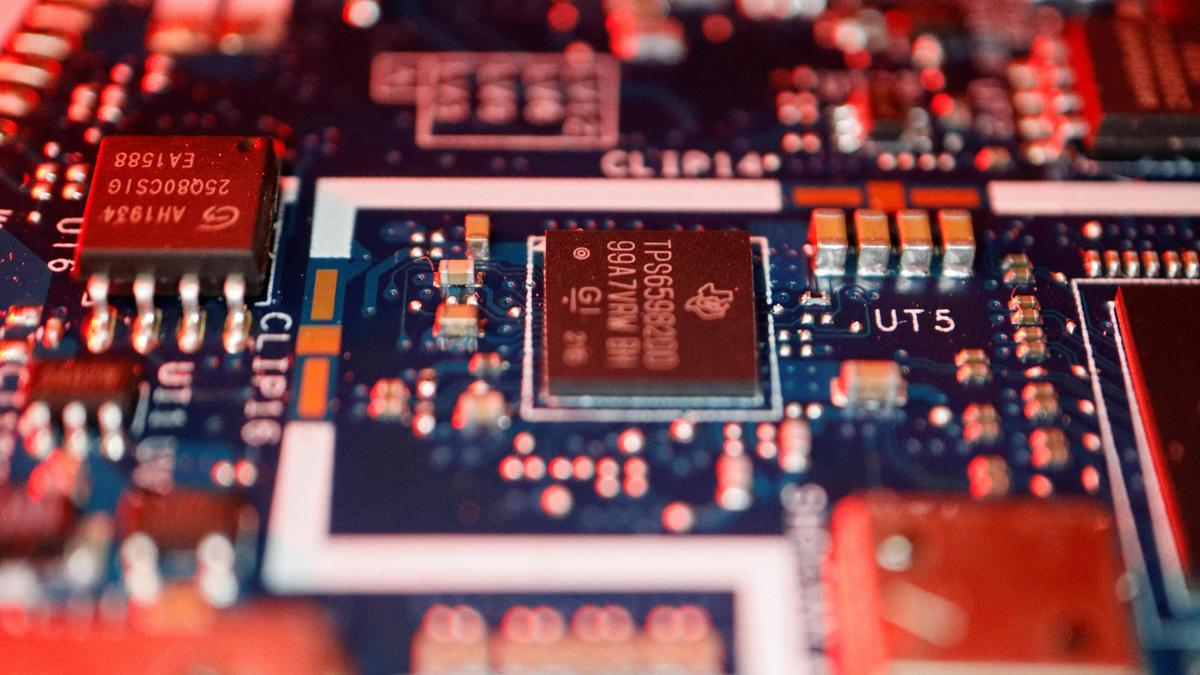
A separate 81 trillion won chunk of change is earmarked for a specialized chip-packaging cluster in the Chungcheong area. Packaging is often ignored by casual tech observers, but stacking and connecting multiple layers of dynamic random-access memory (DRAM) to make HBM is exactly where the current hardware war is won or lost.
The Real Reason for the Southwest Move
Moving away from the traditional Gyeonggi Province tech hubs like Yongin and Pyeongtaek isn't a casual choice. It's a logistical necessity driven by raw resource constraints.
- Power availability: Modern chip fabs are among the most electricity-hungry facilities on earth. The existing networks around Seoul are near maximum capacity. The southwest has underused power grids and better access to coastal infrastructure.
- Water demands: Fabricating advanced microchips requires millions of gallons of ultra-pure water daily. Regional diversification prevents a single localized drought or infrastructure failure from halting global AI supply chains.
- The timeline problem: Building a modern semiconductor cluster takes a miserable amount of time. SK Hynix Chairman Chey Tae-won openly pointed out during the announcement that it took nine whole years to establish their current cluster in Yongin. The new project aims to bypass some of these historic bureaucratic delays through heavy state alignment.
Market Hesitation and Real Risks
You'd think a half-trillion-dollar vote of confidence would send stock prices soaring, but the market reacted with immediate skepticism. On the day of the announcement, Samsung shares dropped 4.86% and SK Hynix fell 1.68%.
Wall Street and Asian markets are looking at two major threats: oversupply and talent shortages. Chip manufacturing is a notoriously cyclical business. If South Korea doubles its DRAM output within five years as planned, but global AI infrastructure spending slows down, the industry faces a brutal supply glut.
Furthermore, you can't just build a factory in a new region and expect thousands of elite semiconductor engineers to magically appear overnight. Moving talent away from the comforts of metropolitan Seoul to the southwest is going to be an uphill battle that a shiny new building alone won't solve.
Your Move in the Chip Supply Chain
If you run a business dependent on cloud computing, AI software, or hardware logistics, you can't treat this as distant geopolitical news. The scale of this commitment means South Korea is consolidating its grip on the essential physical layers of the internet.
Audit your software and hardware dependencies today. Recognize that any delay or success in Gwangju directly affects the cost of your API tokens and cloud instances three years from now. Watch the construction milestones of these southwestern fabs over the next twenty-four months; those dates are the true leading indicators of global tech pricing.