Saltwater eats everything.
Ask any sailor who has spent a decade staring down the slate-gray swells of the Atlantic, and they will tell you the ocean is an active combatant. It curls over the bow, turns into a fine, abrasive mist, and settles into every microscopic crack of gray paint. It seeks out vulnerability. It demands maintenance. It never, ever sleeps.
Now imagine living inside that corrosion.
Picture a space five decks down, where the hum of a hundred thousand horsepower nuclear reactor vibrates directly through the soles of your boots. The air tastes of recycled oxygen, hot copper, and the damp wool of twenty men sleeping within arm's reach of one another. This is not a floating hotel. This is a floating city of five thousand souls, compressed into a hull of high-tensile steel, moving at thirty knots through an indifferent dark.
When leaders thousands of miles away talk about aircraft carriers, they talk in numbers. They talk about strike groups, force projection, multi-billion-dollar price tags, and geopolitical leverage in contested waters. They see a chess piece on a glass table.
They rarely see the sweat dripping down the back of a nineteen-year-old machinist mate as he tries to fix a cooling pump in a ninety-degree compartment while the ship pitches twenty degrees to port.
The Weight of the Deck
Living conditions aboard a United States aircraft carrier are an exercise in radical compression. Space is currency. A rack—the military term for a bunk—is roughly the size of a coffin, just deep enough to turn over in if you tuck your elbows tight. Privacy is a green canvas curtain pulled shut against the aisle where boots clomp twenty-four hours a day.
To understand why a casual dismissal of carrier living conditions stings, you have to understand the rhythm of deployment.
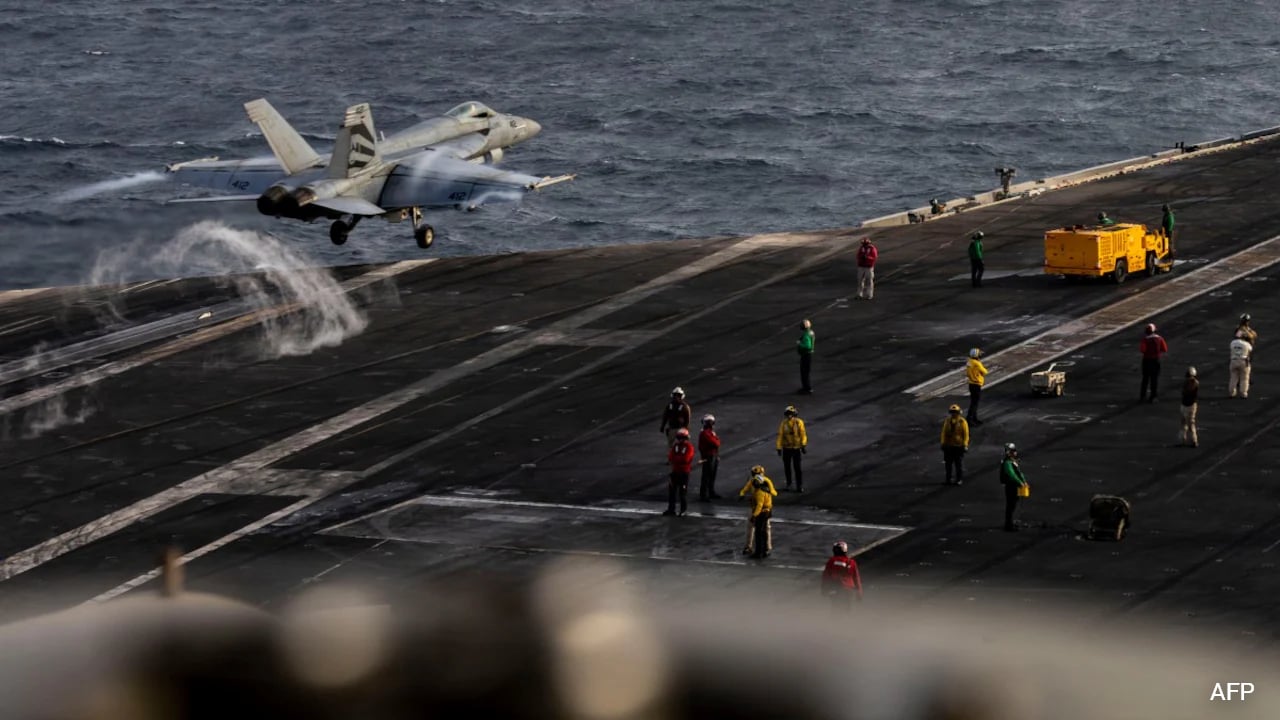
Months turn into a blur of gray. The sun rises and sets, but you only know it by the shift change on the closed-circuit monitors or the changing hue of the light filtering down through the hangar bay doors. Sleep becomes a precious, heavily guarded commodity. You snatch it between four-hour watch rotations, punctuated by the jarring clang of heavy steel watertight doors and the omnipresent rumble of catapults launching multi-ton fighter jets off the flight deck just above your head.
Thump. Silence for twenty minutes. Then another shudder that rattles your teeth.
It is a sensory assault. Yet, the men and women who inhabit these floating fortresses learn to sleep through the concussions. They adapt because they must. But adaptation has a ceiling. When equipment breaks, when ventilation systems struggle against tropical humidity, or when water restrictions turn showers into a luxury measured in seconds, that ceiling presses down hard.
When the Distance Widens
There is a profound psychological chasm between the people who order the fleet to steam toward troubled horizons and the people whose boots wear down the non-skid paint on the flight deck.
When public figures brush off reports of cramped quarters, deferred maintenance, or grueling work schedules aboard these massive vessels, they reveal a fundamental disconnect. They view endurance as an infinite resource. They assume that because sailors take an oath, their physical and mental resilience has no expiration date.
Consider what happens when a ship is extended on station. Months stretch into an extra thirty, sixty, ninety days. Mail deliveries become erratic. Fresh food gives way to powdered eggs and canned rations. The air filters grow heavier with dust and grease. Morale does not shatter all at once; it erodes. It wears down the way limestone wears down under a slow, steady drip of acidic water.
A dismissive wave from a podium feels heavy when you are the one standing watch in a compartment where the ventilation fan died three days ago. It signals a lack of imagination. It suggests that the human element is merely a line item in a defense budget—replaceable, sturdy, and endlessly elastic.
The Invisible Architecture of Trust
A warship is not held together by steel alone. It is held together by an invisible architecture of mutual reliance.
The pilot trusting the aviation ordnanceman to lock the missiles onto the wings of an F-18. The captain trusting the young quartermaster to chart a safe course through narrow straits at midnight. The entire crew trusting that the leadership ashore and afloat recognizes their humanity, values their safety, and respects the sheer gravity of what they are asked to endure.
When that trust is frayed by indifference, the damage goes deeper than any rust streak on the hull. It hits the core of what keeps the mission running.
We romanticize the hardware. We build documentaries around the sheer scale of the flight deck, the roaring afterburners, the ballet of the catapult crews in their colored jerseys. We marvel at the technology. But technology is just dead metal without the terrified, brave, exhausted human beings who keep the lights on, the engines turning, and the planes in the air.
The sea does not care about political rhetoric. It does not pause its corrosion for a press conference. It keeps pressing against the hull, testing every seam, searching for weakness.
The people inside that hull deserve leaders who look closer, who listen harder, and who understand that the true power of any fleet lives not in the steel of its deck, but in the fragile, resilient hearts of the sailors standing upon it.