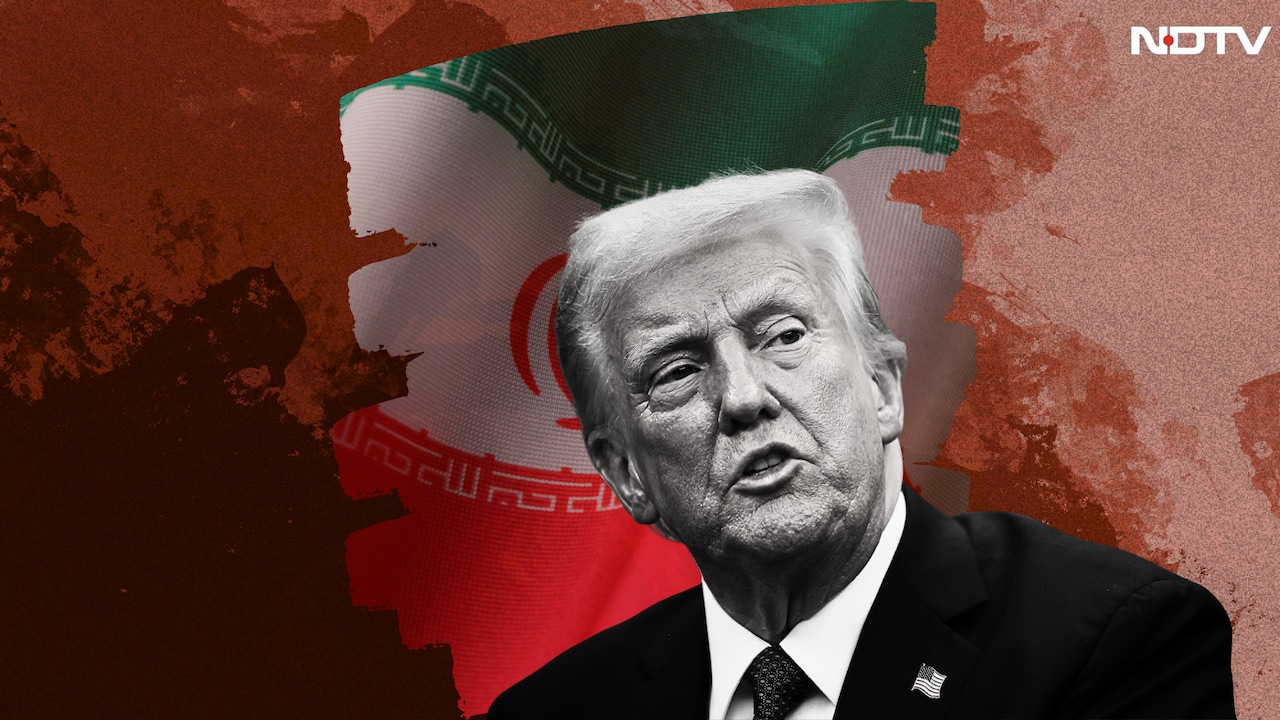
Strategic pauses in high-intensity kinetic campaigns rarely emerge from altruistic impulses or sudden diplomatic epiphanies. When the United States halted its nightly aerial bombardment campaign against Iranian infrastructure after thirteen consecutive days of strikes, the decision was mapped against hard operational constraints, inventory thresholds, and asymmetric bargaining theory.
Evaluating this operational halt requires stripping away political rhetoric and examining the underlying cost functions driving both Washington and Tehran. The current de-escalation phase represents a calculated recalculation of resource depletion, maritime choke point vulnerabilities, and third-party mediation mechanics.
The Intercept Economics and Inventory Depletion Functions
Military campaigns of sustained aerial interdiction operate on steep consumption curves. The primary variable constraining modern high-technology warfare is not political will, but the replacement velocity of precision-guided munitions and high-end air defense interceptors.
During prolonged engagements involving ballistic and drone exchanges, the expenditure rate of advanced interceptor missiles regularly outpaces the domestic industrial baseline production rate. This creates a severe inventory compression risk.
When strategic planners project inventory exhaustion windows against ongoing threat matrices, offensive operations face a hard mathematical ceiling. The temporary suspension of offensive sorties by the United States directly correlates with the necessity to reconstitute theater stockpiles and re-evaluate the defense-in-depth posture across the broader region.
A military apparatus cannot maintain peak kinetic output without risking reserve depth that protects critical regional assets and allied infrastructure. The operational pause functions as a buffer against supply chain friction, allowing logistical channels to catch up with consumption burn rates.
Asymmetric Signaling and Coercive Diplomacy
Diplomatic engagement under fire operates via calibrated signals rather than traditional negotiation frameworks. In classical bargaining theory, mixed-motive games require parties to inflict pain to establish a credible floor for talks, followed by tactical lulls to test whether the opponent perceives the cost of continuation as unmanageable.
The thirteen-day bombing campaign served as a punitive mechanism designed to degrade command nodes and signal resolve regarding the Strait of Hormuz. By introducing a sudden cessation of strikes, the administration shifted from a pure coercion model to a screening mechanism.
This maneuver forces Tehran to reveal its internal preference structure. Oman and other regional intermediaries stepped into this operational window because the pause created a temporary lowering of transaction costs for dialogue.
Tehran faces an internal divergence between factions seeking economic relief from maritime blockades and hardline elements advocating for prolonged resistance. The absence of kinetic pressure gives the pragmatic faction within Iranian leadership the minimal operational space required to engage Omani channels without immediate domestic accusations of capitulation under direct fire.
The Maritime Choke Point Calculus
At the center of this geopolitical friction lies the Strait of Hormuz, a critical maritime corridor through which a significant portion of global energy supplies transits. The strategic utility of the ongoing conflict for Tehran relies heavily on its ability to disrupt or threaten navigation in this corridor, while Washington's primary strategic objective centers on maintaining open maritime trade routes and preventing macroeconomic shocks to global energy pricing.
When kinetic exchanges escalate, insurance premiums for commercial shipping spike, freight rates compound, and regional supply chains contract. A temporary bilateral pause serves as a testing ground for maritime normalization.
If the cessation of strikes can be leveraged into a verifiable agreement regarding the unhindered flow of commercial vessels through the strait, both sides achieve a tactical victory without losing face. Conversely, if negotiations stall, the infrastructure for immediate kinetic resumption remains fully primed, with additional military assets actively moving into the theater to reinforce the regional posture.
Operational Execution and Forward-Looking Assessment
The trajectory of the current diplomatic opening depends entirely on the elasticity of the demands placed on the negotiating table. If the framework reverts to maximalist demands—such as total regime capitulation or immediate, verifiable dismantling of sovereign nuclear infrastructure—the structural incentives for Tehran to maintain the pause will collapse.
Diplomacy backed by a persistent military buildup creates a fragile equilibrium. The strategic play for regional mediators is to lock the current bilateral pause into a formal memorandum of understanding before inventory replenishment cycles complete on the American side, which would otherwise remove the internal pressure driving Washington toward a negotiated settlement.
The structural fragility of the current moment means that any localized maritime violation in the Persian Gulf will reset the bargaining matrix, rendering the diplomatic space null and forcing both actors back onto the steep slope of kinetic escalation.
Trump delays Iran strikes amid peace talk claims | 7NEWS
This video provides contemporary context regarding the tactical delays and diplomatic claims surrounding military pauses and negotiations with Iran.