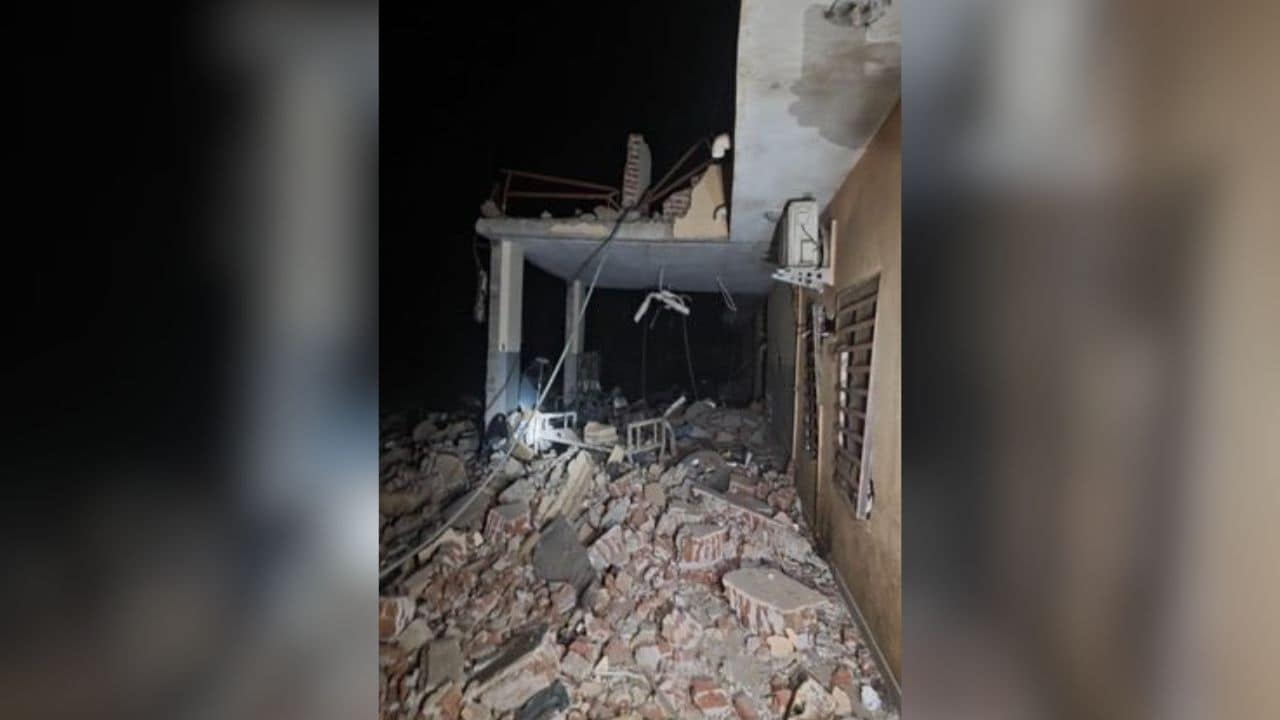
"Technical malfunction" is the ultimate rug under which governments sweep the inconvenient truth.
Whenever a military-grade aircraft falls out of the sky in a sensitive corridor, the PR machines in Doha and Ankara pivot to the same tired script. They want you to believe that a multimillion-dollar machine, maintained by elite crews and flown by the best of the best, simply decided to stop working in a way that conveniently avoids any uncomfortable questions about operational readiness, pilot fatigue, or—heaven forbid—external interference.
Stop buying the sanitized version of tragedy. The "technical failure" narrative is rarely about hardware. It is about protecting the brand of the defense industry and the egos of the commanders who signed the flight manifests. When seven people die in a helicopter crash, the focus shouldn't be on a faulty wire. It should be on the systemic failures that allowed that aircraft to be in a position where a single point of failure became a death sentence.
The Convenience of the Invisible Glitch
In the world of aviation accident investigation, a true mechanical failure that is entirely unpreventable is an outlier. Modern aerospace engineering is built on the principle of Triple Redundancy. You don't just have a backup; you have a backup for the backup.
For a helicopter to suffer a catastrophic "malfunction" resulting in total loss of life, one of three things happened, and none of them are as simple as a bad part:
- Maintenance Malpractice: The part didn't just fail; it was ignored.
- Pilot Error Masked as Hardware Failure: The crew pushed the airframe beyond its structural limits, and the machine gave up.
- Environmental Negligence: Flying in conditions or through corridors that the airframe was never meant to navigate.
By labeling it a "technical malfunction," authorities effectively end the public conversation. You can't argue with a broken bolt. You can, however, argue with a procurement officer who bought cheap components, or a general who forced a flight through a sandstorm for a photo op. The official statements released by Qatari and Turkish authorities aren't just reports; they are shields.
The Turkey Qatar Defense Pact and the Pressure to Perform
The partnership between Qatar and Turkey isn't just diplomatic. It is a massive, high-stakes military integration project. When you have Turkish hardware and personnel operating in Qatari airspace, the pressure to prove the "seamlessness" of this alliance is immense.
I have seen how these joint operations work. The desire to show off interoperability often leads to corners being cut. You have crews speaking different primary languages, using different checklists, and operating under a blended command structure that creates a "fog of peace."
When a crash happens in this environment, admitting human error or command failure would be a diplomatic disaster. It would suggest that the much-touted defense pact is friction-heavy and dangerous. So, the blame is shifted to the machine. The machine can't talk back. The machine doesn't have a family that needs an explanation beyond a payout.
Why We Stop Asking the Right Questions
People always ask: "Was the helicopter old?" or "Was the weather bad?"
Those are the wrong questions. You should be asking: What was the mission's risk-to-reward ratio?
In most military or state-level helicopter operations, the "technical failure" occurs long before the engine stalls. It occurs in the briefing room. If an aircraft is pushed to a high-tempo operational cycle because of a political schedule, the mechanical failure is just the final symptom of a leadership disease.
We see this pattern globally. Whether it’s a VIP transport or a training exercise, the rush to declare a technical cause within hours of the crash—long before a proper forensic analysis of the wreckage can be completed—is a red flag. Real investigations take months. They involve metallurgical analysis and black box decoding. A statement released while the smoke is still rising is a political narrative, not a factual finding.
The Cost of the "Safe" Narrative
The danger of the "technical malfunction" lie is that it prevents actual progress. If we pretend the machine just broke, we don't fix the culture that broke it.
I’ve sat through enough debriefs to know that "unforeseen mechanical issues" is often code for "we didn't think it would happen to us." It’s an arrogant stance that costs lives. When authorities prioritize the reputation of their military hardware over the transparency of their failures, they guarantee that the next seven deaths are already on the calendar.
We need to stop accepting the first press release as the final word. If the technology is so prone to "malfunction" that it kills seven people at once, then the procurement of that technology is a scandal. If the technology was actually fine, then the "malfunction" is a lie to cover up a deeper incompetence.
Pick your poison. Either way, the official story is a failure of honesty.
Stop Treating Aviation Like Magic
Helicopters are not magic. They are governed by the laws of physics and the rigor of maintenance schedules. To suggest that they simply "fail" is an insult to the engineers who build them.
Every time a government uses this excuse, they are betting on your ignorance. They are betting that you don't understand the difference between a $50 million aircraft and a 2004 sedan. They are betting that you won't look into the flight hours, the maintenance logs, or the specific geopolitical tension of the week.
The next time you see a headline about a crash in a strategic region blamed on a "technicality," look for what’s being hidden. Look at the names of the dead. Look at the proximity to borders or sensitive installations. Look at the timing of the next joint military exercise.
The truth isn't in the wreckage. It’s in the haste of the cover-up.
Go look at the flight logs of the AgustaWestland or Black Hawk variants often used in these regions. These aren't fragile kites. They are flying tanks. They don't just "fail" unless someone, somewhere, stopped doing their job.
Demand the maintenance logs. Demand the cockpit voice recordings. Stop letting "technical malfunction" be the final period in the sentence of a human life.
Stop reading the news and start reading the silence between the lines.
Write your own obituary for the truth before the state does it for you. Would you like me to pull the safety records for the specific airframes used in the Qatar-Turkey joint fleet to show you exactly how "rare" these malfunctions actually are?