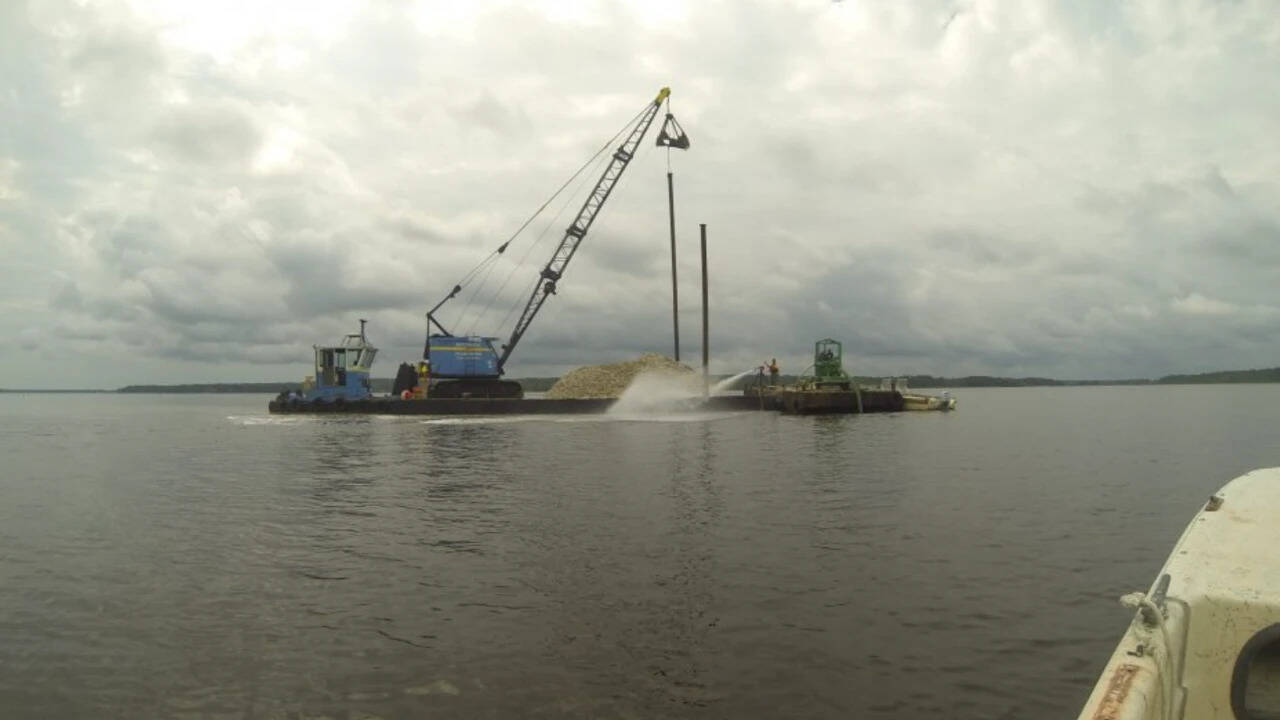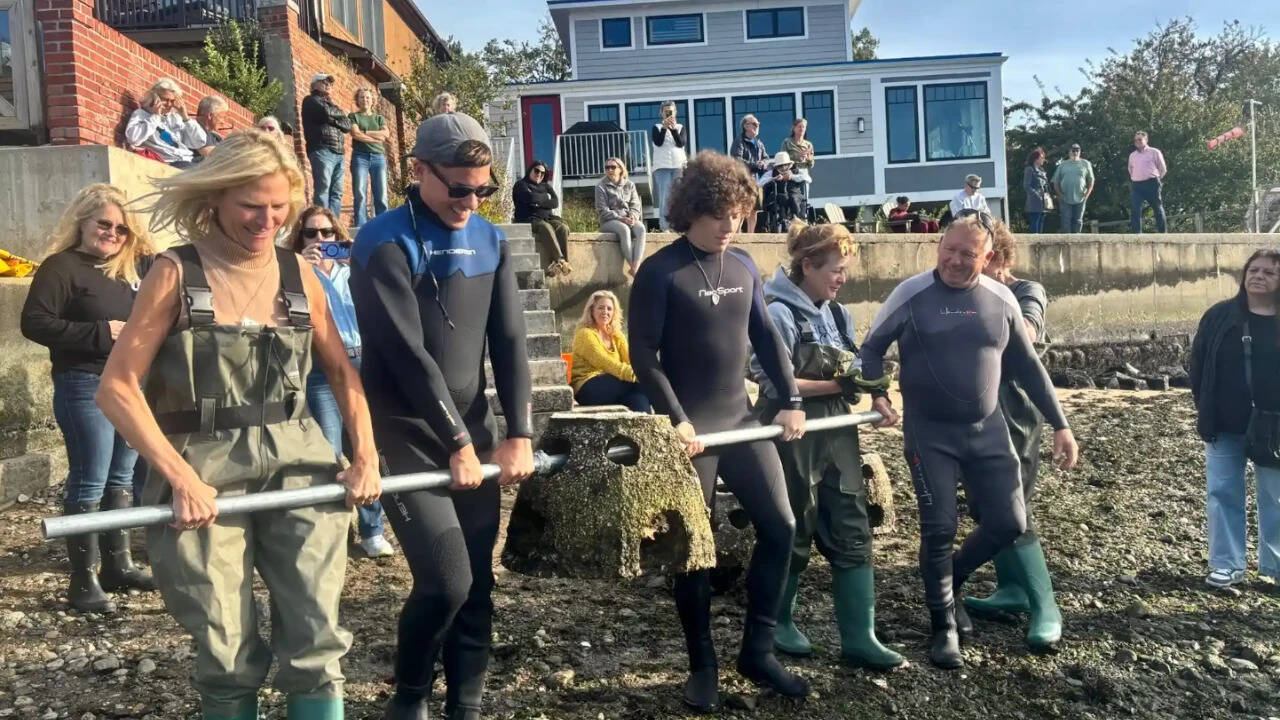
Seven years is a long time to prep six concrete domes. You could build a skyscraper in Manhattan faster than that. Yet in the Bronx, a dedicated crew of New York volunteers spent the better part of a decade getting six 175-pound reef balls ready for the murky bottom of Eastchester Bay.
Sounds absurd on paper. It isn't.
When you drop man-made structures into New York Harbor, you're not just tossing rocks off a boat and hoping fish show up. You're navigating one of the densest regulatory gauntlets in the country, fighting toxic legacy pollution, and dealing with water chemistry that eats poorly mixed concrete alive. Most people hear "urban reef restoration" and picture a weekend beach cleanup with a few bags of cement. The reality is a grueling endurance test of permits, pH balancing, and oyster spat babysitting.
What Reef Balls Actually Do in Urban Waters
Before getting into the seven-year slog, you need to understand what these things are. A reef ball isn't a solid chunk of concrete. It's a hollow, Swiss-cheese-style dome engineered to mimic a natural coral or oyster reef.
Those holes aren't decorative. They create eddies and whirlpools when tidal currents hit the structure. Slowing down the water gives floating oyster larvae—called spat—a fighting chance to settle and attach instead of getting swept out to the Atlantic. Once oysters latch on, they start filtering water. A single adult eastern oyster can pump up to 50 gallons of water a day, pulling out excess nitrogen, algae, and suspended sediment.
In a waterway like Eastchester Bay, which sits right where the Hutchinson River meets the western edge of Long Island Sound, that filtration is desperate work. For decades, combined sewer overflows and industrial runoff turned parts of the Bronx shoreline into biological dead zones. The natural oyster beds that once choked New York Harbor—literally so thick they posed navigation hazards to 17th-century ships—were dredged, eaten, and suffocated out of existence.
Putting 175-pound reef balls on the bay floor gives the ecosystem a hard skeleton to rebuild on. Without hard substrate, oyster larvae sink into the soft, silty muck and suffocate. The concrete domes keep them elevated in the oxygenated water column.
Why Six Reef Balls Took Seven Years
So why the massive delay? If you've ever tried to get a permit to put a shed in your backyard in New York City, multiply that bureaucracy by ten and add federal marine oversight.
The Regulatory Gauntlet
You can't just drop 1,050 pounds of concrete into navigable federal waters without a stack of approvals. Any bottom-altering project in Eastchester Bay triggers reviews from the U.S. Army Corps of Engineers, the New York State Department of Environmental Conservation (DEC), and local maritime authorities.
Regulators worry about two main things. First, navigation hazards. Even in shallow coastal zones, shifting heavy objects can wreck boat props or alter sediment transport patterns. Second, chemical leaching. Standard Portland cement has a wildly high pH—often around 12 or 13—which burns marine organisms on contact.
Volunteers and partner organizations had to prove their concrete mix was neutralized, structurally sound, and wouldn't turn into marine debris during a nor'easter. Securing those sign-offs takes years of back-and-forth, water quality testing, and site mapping.
Curing and Seeding the Concrete
Even after molds are poured, you don't just toss them overboard. The concrete has to cure and leach out its excess alkalinity. Groups working on New York Harbor restoration—including community partners alongside organizations like the Billion Oyster Project—often use specialized marine-grade concrete infused with microsilica and crushed oyster shells.
Crushed shells do double duty. They bring down the surface pH closer to seawater's natural 8.1, and they release calcium carbonate cues that actively attract free-swimming oyster larvae.
Before deployment in Eastchester Bay, these domes also had to be "seeded" in controlled tanks. Volunteers set the reef balls in shore-based aquaculture tanks filled with bay water and millions of microscopic oyster larvae. You have to monitor water temperature, salinity, and algae feed daily until those microscopic swimmers cement themselves onto the concrete surface. Miss a parameter, and the whole batch dies.
Funding and Volunteer Bandwidth
Let's be honest about grassroots environmental work. Nobody is getting rich doing this. Projects like the Eastchester Bay deployment rely on local marine stewards, high school students, weekend volunteers, and small environmental grants.
A 175-pound reef ball isn't something one person carries in the trunk of a Honda Civic. Moving six of them requires flatbed trucks, heavy-duty dollies, crane access or specialized boats with davits, and calm weather windows. When your entire workforce has day jobs and school schedules, coordinating vessel logistics with tidal charts and state inspectors stretches timelines out by months at a time.
The 175-Pound Sweet Spot
You might wonder why volunteers went with 175-pound units instead of massive two-ton highway barriers or tiny handheld blocks.
Weight is a goldilocks problem in coastal restoration. Go too light—say, 30 or 40 pounds—and a winter storm surge in Long Island Sound will roll your reef right up onto the Pelham Bay rocks, crushing every oyster attached to it. Go too heavy, and you need a commercial barge and a union crane operator, which blows a community group's budget in about forty-five minutes.
At 175 pounds, a reef ball hits the practical threshold. Four strong volunteers with lifting straps can maneuver it on dry land, and a modest workboat can deploy it safely without capsizing. Once it settles into the bay's soft bottom sediment, its low center of gravity and porous profile let storm waves pass through rather than push against it. It stays put.
What Most People Get Wrong About Urban Reef Restoration
There's a persistent myth that dropping artificial reefs into polluted city waters is a waste of time because the water is "too dirty" for anything to survive.
That's backwards. You don't wait for the water to get clean before adding oysters—you add oysters to clean the water.
Eastchester Bay isn't pristine, and nobody is going to be harvesting raw oysters off the Bronx coast for dinner anytime soon. State health laws strictly prohibit consuming wild shellfish from New York City waters due to pathogen risks from stormwater runoff. These reef balls aren't seafood farms. They're living water treatment plants and wave breaks.
Beyond filtering nitrogen, those six domes immediately create vertical real estate in an otherwise flat mud-and-sand environment. Within weeks of hitting the bottom, barnacles, sea squirts, and mussels colonize the gaps. Small forage fish—like mummichogs, silversides, and juvenile black sea bass—move into the interior cavities to hide from striped bass and cormorants. You're building an entire food web from the bottom up.
Another misconception is that six reef balls are too small to matter. Six domes won't single-handedly scrub the entirety of Long Island Sound. That's not the point. In ecological restoration, small pilot deployments serve as proof-of-concept sites. They give marine biologists hard data on survival rates, sedimentation, and dissolved oxygen levels in a specific micro-habitat. If the Eastchester Bay oysters thrive through a brutal New York winter and reproduce next summer, that data unlocks state funding for sixty—or six hundred—more units.
How You Can Actually Get Involved in Harbor Restoration
Reading about volunteers lugging concrete in the Bronx is inspiring, sure, but marine restoration in New York desperately needs hands on deck rather than passive cheerleaders. If you live anywhere near the coast, you don't need a marine biology degree to help build the next reef.
1. Volunteer at an Oyster Nursery or Shell Collection Hub
Groups like the Billion Oyster Project run community shell collection programs across all five boroughs, salvaging discarded oyster shells from local restaurants so they can be cured and reused for reef substrate. They also host regular volunteer days for scrubbing cages, measuring oyster growth, and assembling gabions.
2. Join Local Waterfront Stewardship Groups
If you're specifically interested in the Bronx and western Long Island Sound, look into local watershed alliances like the Bronx River Alliance or City Island's marine stewardship programs. Grassroots deployments rely heavily on local residents who know the tides, help haul gear, and monitor shoreline conditions after major storms.
3. Support Living Shoreline Policies
Next time your local community board or city council discusses coastal resilience and flood protection, push for "living shorelines" over bare concrete seawalls. Vertical seawalls bounce wave energy back into the bay, scouring the bottom and destroying habitat. Reef balls, oyster beds, and salt marshes absorb wave energy while actively healing the water.
Seven years for six reef balls sounds slow until you realize those structures will sit on the bottom of Eastchester Bay for the next century, quietly filtering millions of gallons of water every single week. Good restoration isn't fast. It's built to outlast us.