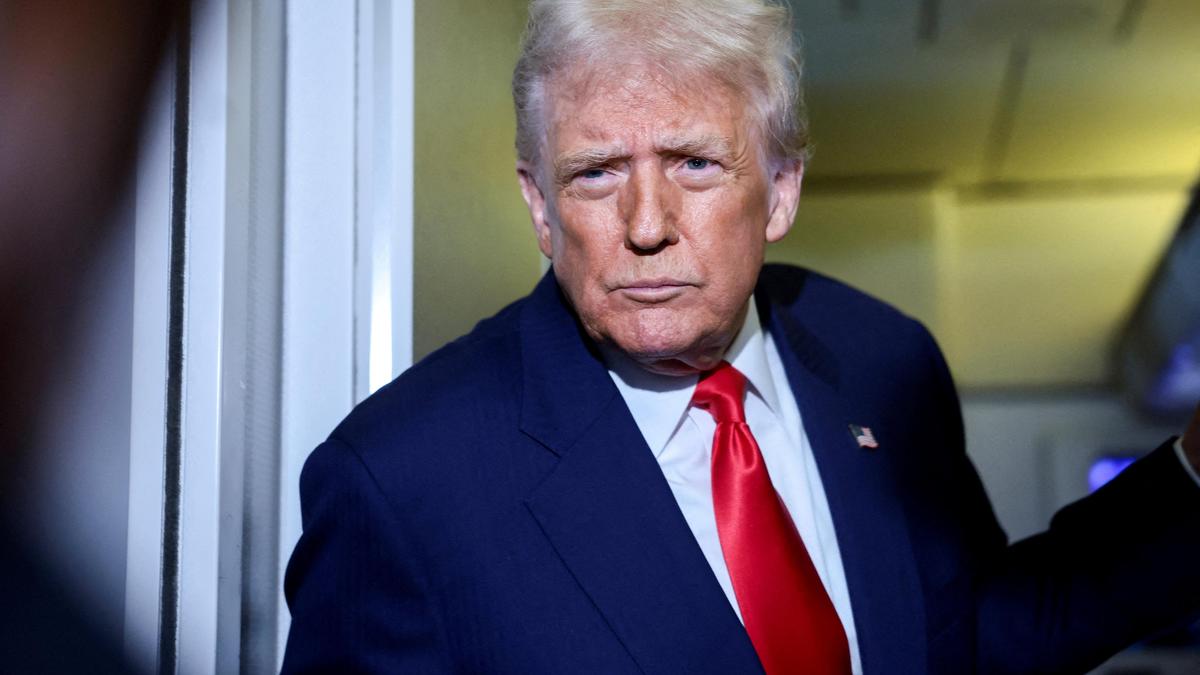
Donald Trump is tired of waiting. He wants the U.S. Senate to completely scrap the legislative filibuster. Right now.
If you've been watching Washington lately, you know the routine. A bill passes the House, heads to the Senate, and promptly dies because it can't scrape together 60 votes. Trump looks at this procedural roadblock and sees an absurd waste of time. He wants Senate Majority Leader John Thune to cancel the August recess, kill the 60-vote threshold, and push through high-profile legislation like the SAVE America Act without needing a single Democratic vote.
Love it or hate it, the push to end the filibuster changes everything about how American governance works. Let's look at why this fight is happening right now and what it actually means for the country.
The Math Problem Driving the Frustration
To understand why Trump is furious, you have to look at the numbers. Republicans hold a slim 53-47 majority in the upper chamber. That sounds like enough to govern until you remember the invisible wall known as the filibuster.
Under current rules, most bills need 60 votes to overcome procedural cloture and reach a final vote. Fifty-three is not sixty. That means Republicans need at least seven Democratic senators to cross the aisle. On partisan flashpoints like federal voter ID mandates, proof-of-citizenship registration requirements, and sweeping election laws, those Democratic votes simply aren't there.
Trump's solution is blunt: get rid of the rule. By lowering the threshold to a simple majority of 51 votes, the majority party could pass whatever it wants on day one.
Why Senate Leadership Is Dragging Its Feet
John Thune isn't jumping to pull the trigger. He knows opening that door is a one-way street.
For decades, institutionalists in both parties have defended the filibuster as the ultimate cooling saucer of American politics. It forces compromise. It stops the pendulum from swinging violently every time control of Washington flips from one party to the other. Thune has argued publicly that ditching the tradition opens Pandora's box. If Republicans nuke the rule today to pass conservative priorities, Democrats will use that exact same simple-majority loophole to enact sweeping progressive policies the moment they regain power.
Besides, the internal math for changing the rules is messy. Not every Republican senator wants to break the institution. Convincing 50 senators to vote for a permanent rule change is a heavy lift when a handful of moderate members are clinging to Senate tradition.
What’s Actually at Stake
At the center of this current brawl is the SAVE America Act, a restrictive election bill that has passed the House but stalled hard in the Senate. The legislation aims to mandate strict proof of citizenship for new voters and require photo ID across the board.
Supporters argue it plugs massive security gaps in the electoral system. Critics counter that it creates insurmountable hurdles for millions of legitimate voters. Because the two sides view the issue through completely different realities, compromise is impossible.
Trump argues that clinging to Senate customs in the face of political deadlock is a fool's errand. Allies like Senator Tommy Tuberville have echoed that sentiment, arguing that they answer to voters, not Senate procedural traditions.
The clock is ticking down toward the midterms, and the pressure from the White House and conservative base isn't letting up. Whether leadership caves to the pressure or holds the line on the 60-vote threshold will define the rest of the legislative calendar. Keep your eyes on the whip counts, because the traditional way of doing business in Washington is running out of friends.
Why Trump pushes SAVE America Act & end to filibuster
This video provides additional context on how the debate over the SAVE America Act and the filibuster is playing out in Washington media coverage.