Putting driftwood vibes on Fifth Avenue sounds charming. On paper. In reality, it is a category error wrapped in pastel linen.
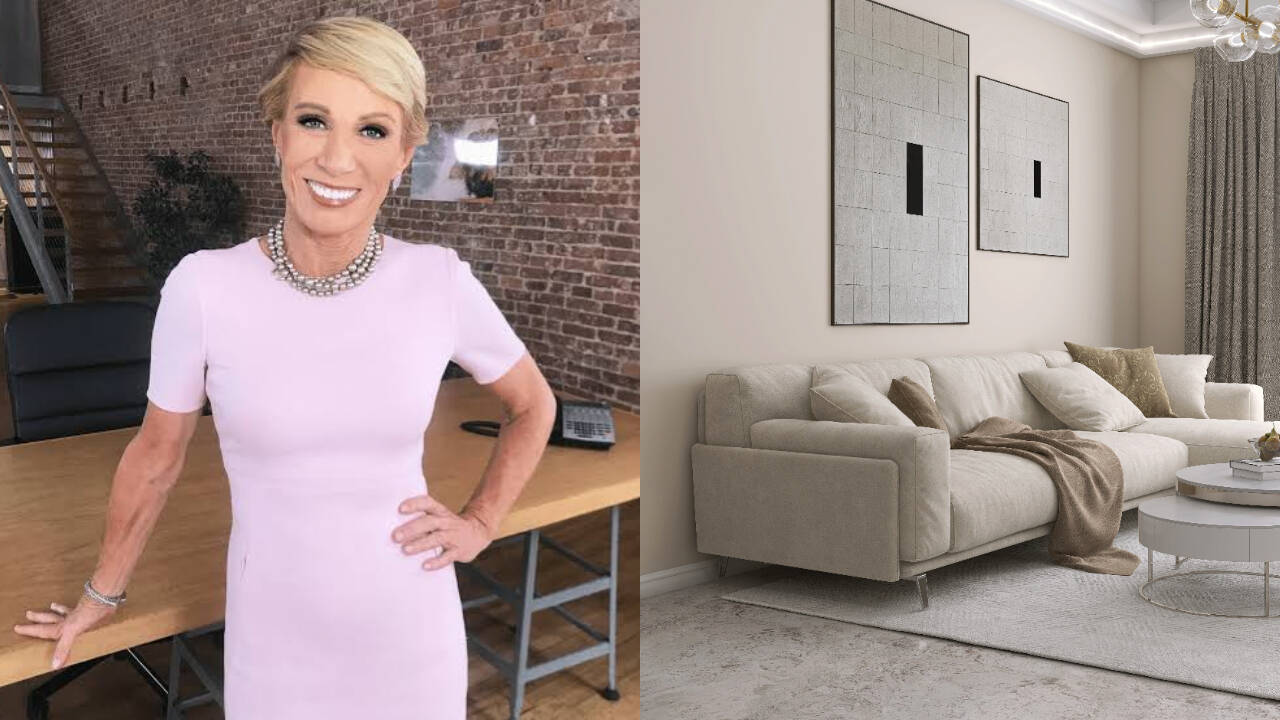
Celebrity real estate coverage loves a whimsical makeover. A headline about Barbara Corcoran turning a $16 million New York City penthouse into a beach house triggers instant daydreaming. Sun-bleached wood. Breezy curtains. Coastal calm high above Manhattan traffic. Readers eat it up because it promises escapism without buying a plane ticket.
That is the lazy consensus. The article frames the transformation as clever reinvention—proof that a sharp dealmaker can bend any space to her mood.
It misses the real mechanics of ultra-prime residential real estate. When you spend eight figures on Fifth Avenue, you are not buying a casual weekend retreat. You are buying scarcity, verticality, architectural permanence, and liquidity in one of the most unforgiving markets on earth. Importing coastal tropes into a high-altitude Manhattan trophy apartment often creates friction between setting, structure, and resale value.
The Myth of "Bringing the Coast to the City"
Design writers love talking about "bringing the outdoors in" or "evoking a coastal sanctuary." Those phrases sound poetic. They also hide how wildly different a shoreline cottage and a Manhattan sky residence actually are.
A true beach house exists in conversation with salt air, shifting sand, harsh coastal glare, and a slower rhythm of life. Sand gets tracked in. Swimsuits drip on stone. Afternoon sun bounces off water and demands glare control. Materials are chosen to weather humidity and casual wear without looking precious.
A Fifth Avenue penthouse lives in a completely different physical and cultural ecosystem. You are looking out over dense urban geometry, stone facades, treetops if you are lucky, and sky that changes with city wind and high-rise shadows. Inside, you deal with forced-air heating and cooling, elevator logistics, strict co-op or condo board rules, and acoustic isolation from a city that never shuts off.
When designers force a "beach house" aesthetic into a luxury Manhattan apartment, they usually borrow surface signifiers rather than functional logic. Whitewashed oak. Rope accents. Shell motifs. Rattan. Soft blues and sandy beiges.
Surface signifiers are cheap to copy and fast to date. Worse, they can make a grand architectural space feel like a stage set. A high-ceilinged residence on Fifth Avenue carries a certain formality and gravitas in its bones. Dressing it like a Hamptons or Cape Cod cottage can feel less like effortless ease and more like a costume party.
I have watched high-budget renovations in major cities fall straight into this trap. Someone buys a classic, formal residence, strips out its natural dignity in pursuit of a "relaxed vibe," and ends up with a room that feels neither genuinely coastal nor authentically urban. It looks cute in a magazine spread for six months. Then it starts feeling weirdly thin.
What Ultra-Prime Buyers Actually Pay For Above Fifth Avenue
To understand why a beach-house concept on Fifth Avenue is tricky, you have to separate personal enjoyment from market liquidity.
Nobody in ultra-prime real estate is obligated to decorate for the next buyer on day one. If a wealthy owner wants a space that makes them smile every morning, that is their prerogative. Money buys autonomy.
Still, at the eight-figure tier in Manhattan, buyers are notoriously particular. A buyer shopping a $16 million penthouse on Fifth Avenue is usually comparing options across trophy buildings, prime neighborhoods, views, outdoor space, and turnkey condition. They bring architects, brokers, and sharp opinions.
At that level, ultra-personalized themes narrow the pool. A moody architectural loft appeals to one slice of buyers. Classic pre-war elegance appeals to another. A hyper-specific "beach house" motif appeals to a narrower subset—especially when the view outside is limestone, glass, and Midtown or Central Park silhouettes rather than ocean horizon.
True luxury real estate rewards timeless material honesty over novelty themes. Think quarter-sawn oak or walnut used thoughtfully, honed stone, well-proportioned millwork, quiet hardware, and lighting that flatters both daytime and evening. Those choices do not scream "beach house" or "corporate boardroom." They let the light, proportions, and location do the heavy lifting.
People often confuse casual with themed. You can make a Fifth Avenue home feel relaxed, warm, and unpretentious without slapping a coastal label on it. Soft upholstery, natural textures, layered lighting, and comfortable seating create ease. A literal beach theme often tries too hard to look breezy.
Dismantling the Questions Everyone Asks
When a celebrity renovation hits the news, the same predictable questions pop up in search feeds. Most of them start from shaky assumptions.
Does a themed renovation increase a luxury apartment's value?
Usually no—not on its own. Value in high-end Manhattan real estate is driven first by location, building reputation, floor plan, light, views, and outdoor space, and second by the quality of infrastructure and finishes.
A clever theme can generate press attention and emotional resonance for the right buyer. It can also trigger immediate mental remodeling costs for the wrong one. If a buyer walks in and thinks, "I love the terrace, but I have to rip out all this coastal paneling and re-stain the floors," they discount their offer to cover the hassle and disruption.
Is mixing contrasting styles always a bad idea?
Not at all. Contrast is one of the strongest tools in interior architecture when handled with discipline. Pairing clean modern lines with warm vintage pieces can create tension that feels alive. Mixing tailored stone with soft textiles can keep a grand room from feeling stiff.
The problem is thematic literalism. Contrast works when the underlying architecture and proportions agree. It falters when one style relies on regional clichés that clash with the building's reality.
Why do celebrities lean into dramatic style shifts at home?
Because public life is performative, curated, and relentless. When you spend your career being evaluated, pitched, photographed, or negotiated with, coming home to a space that feels like an immediate exhale has huge psychological value.
If a beach aesthetic signals vacation, ease, and warmth to the owner, that explains the appeal immediately. A home does not owe the public a real estate comp sheet every week. It owes the person living there comfort and identity.
Imagine a Scenario Where Two Identical Penthouses Hit the Market
Imagine a scenario where two identical high-floor residences sit on the same stretch of Fifth Avenue. Same square footage. Same layout. Same terrace exposure. Same monthly carrying costs.
Residence A has been styled as a coastal escape: pale wood finishes, nautical and beachy accents, light airy textiles, and a sunny vacation mood throughout.
Residence B has been renovated with restrained, architectural warmth: rich natural woods, plaster or quiet painted walls, timeless stone in the baths and kitchen, and neutral, tactile fabrics that shift effortlessly from winter to summer.
Now picture ten ultra-high-net-worth buyers touring both back-to-back. Two might fall head-over-heels for Residence A's breezy charm. Six might feel indifferent or slightly put off by the beach motif in the middle of Manhattan. Two might see potential either way.
Meanwhile, Residence B clears fewer emotional hurdles for the majority. Buyers who want coastal accents can add throw pillows, art, and objects in a weekend. Buyers who want city polish do not have to undo a full-room theme.
That is the hidden math of decor in prime real estate: reversible accents protect optionality; structural or heavy thematic commitments narrow it.
The Downsides of Playing It Safe (And Why Contrarians Still Hesitate)
If restraint and architectural fit are so smart, why don't more people live in beige-and-walnut museums?
Because playing it safe has real downsides. Safe luxury can be boring. A home designed purely to please a hypothetical future buyer can feel soulless, overly staged, or weirdly generic. You end up living in a showroom rather than a sanctuary.
There is also the visibility factor. In media and business, distinctive personal branding travels fast. A bold, recognizable point of view gets talked about. A quiet, tasteful room rarely makes headlines.
Even from a contrarian standpoint, pushing pure "market optimization" too far misses the point of owning a home. If you buy a trophy property and spend years tiptoeing around resale optics while hating your own living room, you paid a massive price for hypothetical approval.
How to Actually Pull Off a "Breezy" City Home Without the Cliché
If you love the feeling of a beach house—light, calm, unhurried, tactile—you can capture that spirit in a city apartment without turning Fifth Avenue into a boardwalk.
- Chase light and airiness, not props. Maximize sightlines, keep window treatments light and functional, and avoid heavy visual clutter so rooms breathe naturally.
- Use natural textures with restraint. Linen, wool, unlacquered brass, and matte stone bring warmth without needing shells, oars, or coastal slogans.
- Keep the architecture grounded. Let crown moldings, proportions, or clean modern lines stay crisp so the space feels anchored in the city.
- Separate mood from theme. "Relaxed" is a mood you can achieve anywhere; "beach house" is a location-specific identity that can feel forced inland or high above pavement.
A Fifth Avenue penthouse does not need to pretend it is sitting on the sand to feel like an escape. Great city homes feel like a refuge because they shut out the noise and give you room to breathe—right where you actually are.