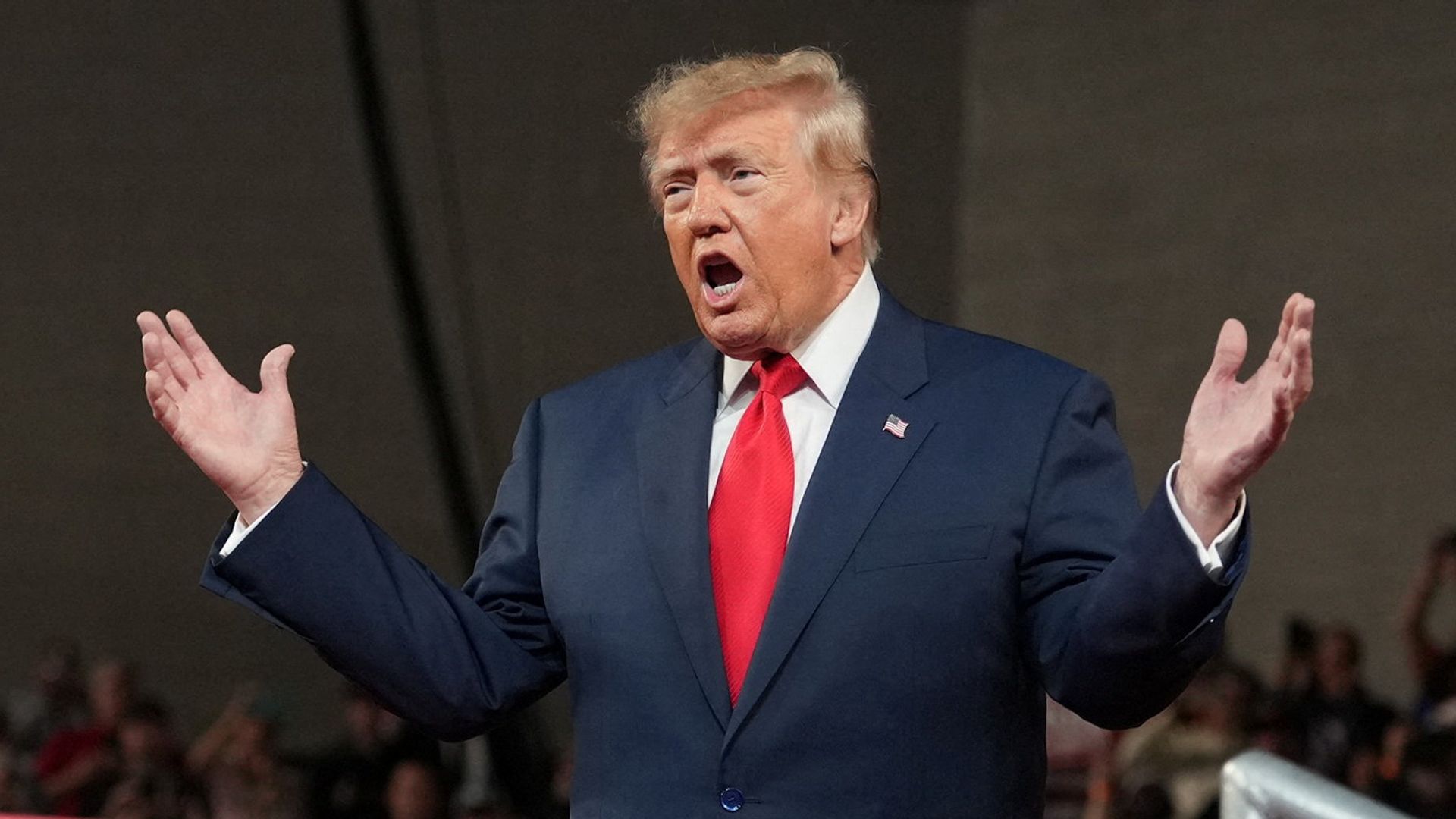
Federal courts rarely move with the velocity witnessed when a New York judge stepped in to halt a twenty-million-dollar federal advertising blitz. U.S. District Judge Jennifer L. Rochon issued a temporary restraining order stopping the Trump administration from utilizing public funds for television commercials that critics, watchdog organizations, and a multi-state legal coalition characterized as partisan political propaganda. At the center of the dispute was a massive cash injection from the Department of Homeland Security and other federal accounts, diverted toward broadcast spots that featured President Donald Trump, clips from campaign rallies, and policy attacks on political opponents.
For months, the line separating institutional government communication from election-season positioning has grown increasingly porous. Administrations of both political parties have historically pushed the boundaries of public affairs budgets, rebranding executive policy initiatives into glossy multimedia campaigns. Yet, the scale and direct political messaging of this specific rollout broke conventional guardrails. Analysts tracking federal expenditures noted that packaging political grievances, clips of campaign speeches, and direct appeals into public service announcements represents an unprecedented deployment of the federal treasury. Building on this topic, you can also read: When Paris Lost the Heart That Smelled of Bread and Smoke.
The legal challenge, brought forward by watchdogs including Common Cause alongside a separate lawsuit by the Democratic National Committee, forced a confrontation over executive overreach. The advertisements in question—costing millions of dollars apiece—ranged from spots celebrating foreign policy operations to heavily edited montages echoing campaign rhetoric. One prominent spot, titled "Final Battle," recycled footage from the 2024 campaign trail while audio of the president vowed to dismantle entrenched federal structures. Another spot focused on border enforcement and security measures, blending executive messaging with overt political branding.
When public funds underwrite content featuring sitting executives attacking political opponents or replaying campaign imagery, the traditional distinction between official state communication and electioneering collapses. Federal law strictly prohibits the use of appropriated funds for partisan purposes or self-aggrandizing political theater. Government agencies possess broad mandates to inform the public regarding policy, health guidelines, or national security operations, but courts have consistently drawn a sharp line against converting public treasuries into personal media channels. Observers at NBC News have shared their thoughts on this situation.
The backlash was not confined to opposition parties or watchdog groups. Even within Republican leadership circles, alarm bells rang over the optic of financing television spots with money drawn from taxpayers during an active midterm election cycle. Senate Majority Leader John Thune publicly broke ranks, telling reporters that public communication should not be financed with ordinary taxpayer dollars. That internal dissent exposed a strategic miscalculation within the administration. While executive branch officials defended the spots as vital public awareness initiatives explaining national security achievements and executive actions, the content of the commercials defied that defense.
Faced with mounting legal pressure and the judicial injunction, the White House shifted tactics. Officials announced that subsequent broadcasts would be paid for through campaign accounts rather than the federal treasury. However, that pivot left a massive accountability gap. Millions of dollars in public funds had already cleared agency accounts and flooded television markets across competitive media regions before the court intervened. White House spokespersons confirmed that there were no immediate plans to reimburse the federal government for the funds already spent on the initial wave of broadcasts, leaving auditors and congressional investigators demanding answers on how agency funds were repurposed.
The broader institutional fallout centers on how federal agencies allocate discretionary funds. Appropriations bills are constructed with explicit statutory limits designed to prevent the executive branch from shifting money between accounts to bypass congressional oversight. When agencies redirect millions toward media campaigns without explicit legislative sign-off, it triggers constitutional questions regarding the separation of powers. The power of the purse rests strictly with Congress, not with executive departments seeking to amplify a political agenda.
Legal scholars point out that this case will likely set a lasting precedent for how future administrations utilize public affairs funding. If an executive branch can classify political messaging as national security education or agency promotion, the statutory bans against using taxpayer money for political campaigns become toothless. The intervention by Judge Rochon reasserts judicial oversight over executive spending, signaling that courts are willing to look past administrative labeling to examine the actual substance of federally funded media.
As the litigation moves past the initial emergency injunction phase, the core question remains whether the administration will be compelled to claw back the money spent or face deeper congressional inquiries. The episode underscores the fragile nature of administrative norms when confronted with aggressive political messaging strategies. Transparency advocates argue that stricter guardrails are necessary to ensure that public money remains dedicated to public services rather than political branding. The courts have temporarily pulled the plug on the broadcasts, but the debate over executive spending authority will echo long past the current political cycle.