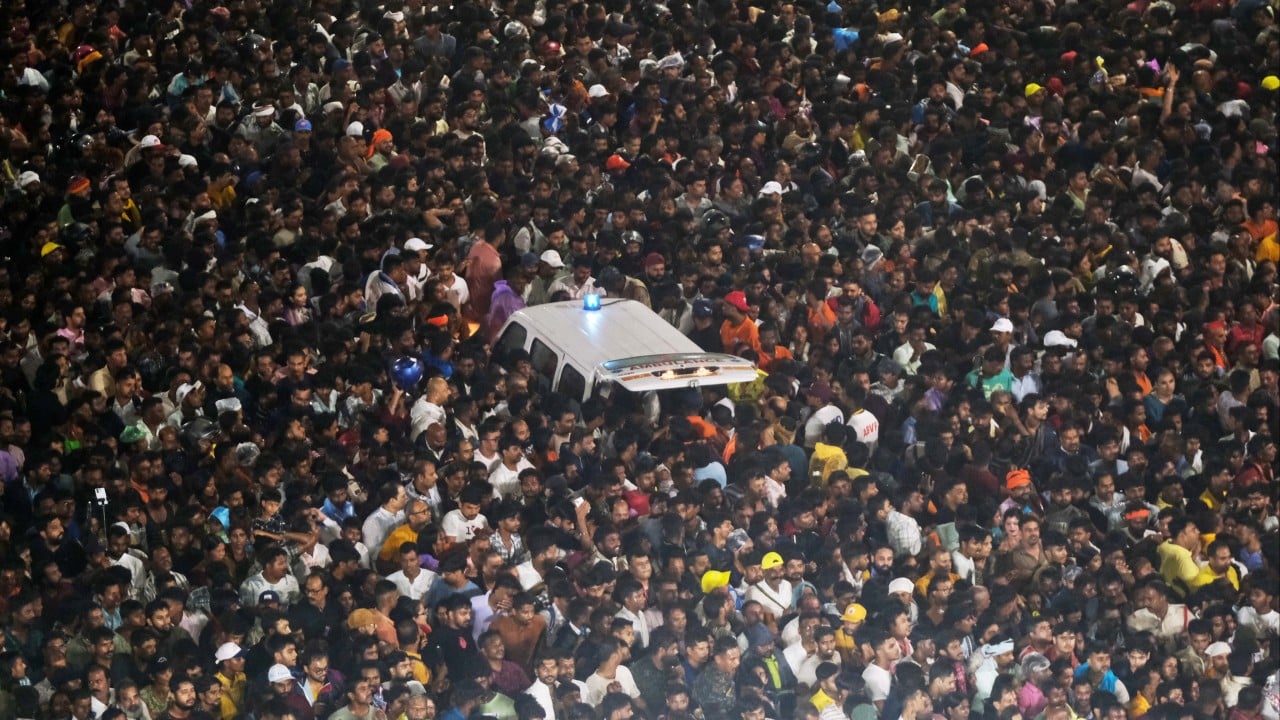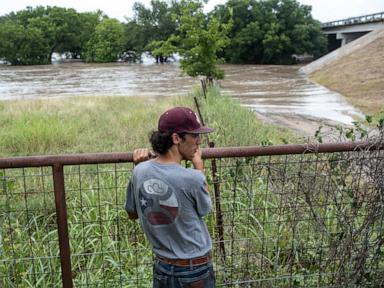
The sound is what stays with you. It is not a roar, not initially. It begins as a low, rhythmic hiss—the sound of thousands of raindrops hitting saturated earth and finding nowhere left to go. Then comes the gurgle of backing-up storm drains, a liquid choke that signals the infrastructure has officially surrendered.
In Texas, we are used to things being big. Big skies, big heat, big promises. But when the skies open up over the state's most vulnerable corridors, the water becomes an absolute, suffocating monolith.
The headlines call it "severe weather conditions." They list the rainfall totals in cold, neat inches. Seven inches in three hours. Ten inches overnight. They flash maps with bright red blots spreading across counties like ink on paper towel. But a map cannot tell you what it smells like when a river reclaims a neighborhood. It cannot capture the distinct, metallic scent of mud mixed with gasoline, rotting drywall, and ruined family albums.
To understand why a routine weather system can devastate a swath of Texas over and over again, you have to look past the meteorology. You have to look at the clay beneath the grass, the concrete above the clay, and the people trapped between them.
The Sky is Not the Only Enemy
Consider Elena. She is not a real person, but she represents thousands of Texans whose addresses happen to fall into the cruelest geography of the Gulf Coast plains. Elena lives in a modest brick home built in the late 1970s. When she bought it, the disclosure forms said nothing about a floodplain.
Last Tuesday, she woke up at 3:00 AM because her dog was whining. When her feet swung out of bed, they did not hit carpet. They hit two inches of cold, dark water.
The natural instinct is to blame the storm. We point at the sky, curse the clouds, and talk about unprecedented atmospheric moisture. But the sky is only half the problem. The real crisis is historical, structural, and deeply human.
Much of Texas sits on heavy, clay-rich soil. Think of it as a giant, subterranean sponge made of dense dough. When it dries out during our brutal summer droughts, it cracks. When the rain first hits, it swallows the water greedily. But there is a tipping point. Once that clay is saturated, it turns into a countertop. Slick. Solid. Completely impermeable.
Now, layer millions of tons of concrete over that countertop. Strip away the native prairie grasses that used to act as natural straws, soaking up the excess. Replace them with strip malls, asphalt parking lots, and suburban subdivisions.
When a storm stalls over the state, the water has two choices: it can defy physics, or it can run down the street into Elena’s living room. It always chooses the latter.
The Calculus of Disaster
There is a math to survival that outsiders rarely understand.
When the local news warns that the bayous are cresting, a terrifying sequence of decisions begins. Do you leave early and risk getting stranded in your car on a flooded highway? Driving is how most people die in these floods. The underpasses look shallow until your engine dies, the electrical system shorts, and the water locks the doors shut.
So, many choose to stay. They watch the street turn into a canal. They move the electronics to the kitchen counters. They stack plastic bins on top of beds.
Then the power grid fails.
The air conditioning cuts out, and within hours, the Texas humidity turns the flooded house into a greenhouse. The walls begin to sweat. Mold doesn't wait for the water to recede; it begins its silent, fuzzy conquest of the sheetrock while you are still standing in it.
This is the invisible tax of living in a vulnerable zone. It is not just the financial cost of rebuilding, though that is staggering. It is the psychological erosion. Every time a thunderstorm rolls in, your heart rate spikes. Every heavy downpour feels like an eviction notice.
The Myth of the Hundred-Year Flood
We have been conditioned to rely on comforting phrases. Engineers and insurance adjusters love to talk about the "100-year flood." It sounds like a statistical shield. It implies that if you survive one massive disaster, you are safe for the next ninety-nine years.
It is a dangerous misunderstanding of probability.
A 100-year flood simply means there is a one percent chance of that specific level of flooding happening in any given year. You can have a one-percent flood on a Monday, and another one on a Friday. In Texas, we have seen communities hit by three "100-year" events in less than a decade. The old models are broken. The historical benchmarks are useless because the environment has changed faster than the maps can keep up.
When we look at the communities that bear the brunt of this failure, a stark pattern emerges. The worst flooding rarely happens in the wealthy enclaves with pristine, master-planned retention ponds and elevated foundations. It happens in the older, neglected neighborhoods. It happens where the drainage ditches haven't been cleared in decades, where the pipes are too narrow, and where residents lack the capital to buy comprehensive flood insurance or pack up and move to higher ground.
Disaster is an equalizer in terms of rainfall, but it is brutally partisan in its aftermath.
The Anatomy of an Aftermath
The rain eventually stops. The sun comes out, bright and mocking. The water retreats back into the bayous and creeks, leaving behind a thick coating of grey slime.
This is when the real exhaustion sets in.
The neighborhood becomes an open-air museum of ruined lives. Couch cushions, mattresses, children's toys, and soaked insulation are piled high on the curbs. The sound of chainsaws and hammers replaces the hiss of the rain. Neighbors who barely spoke before now stand in the street, trading tips on how to get FEMA assistance or which contractor to trust.
There is a brief, intense wave of solidarity. Volunteers show up with lifted trucks and boat trailers. Churches set up distribution centers with bottled water and hot meals. The governor makes a speech.
But headlines move fast. The cameras pack up. The rest of the world shifts its gaze to the next crisis, leaving the flooded swath of Texas to dry out in the blistering heat, waiting for the next cloud to gather on the horizon.
Elena stands on her porch, watching a garbage truck swallow a lifetime of accumulated memories. Her hands are raw from bleaching the floors. She knows the drywall needs to come out, up to four feet high, to stop the rot. She knows she cannot afford to move.
She looks up at a perfectly blue sky, completely devoid of clouds, and shivers.