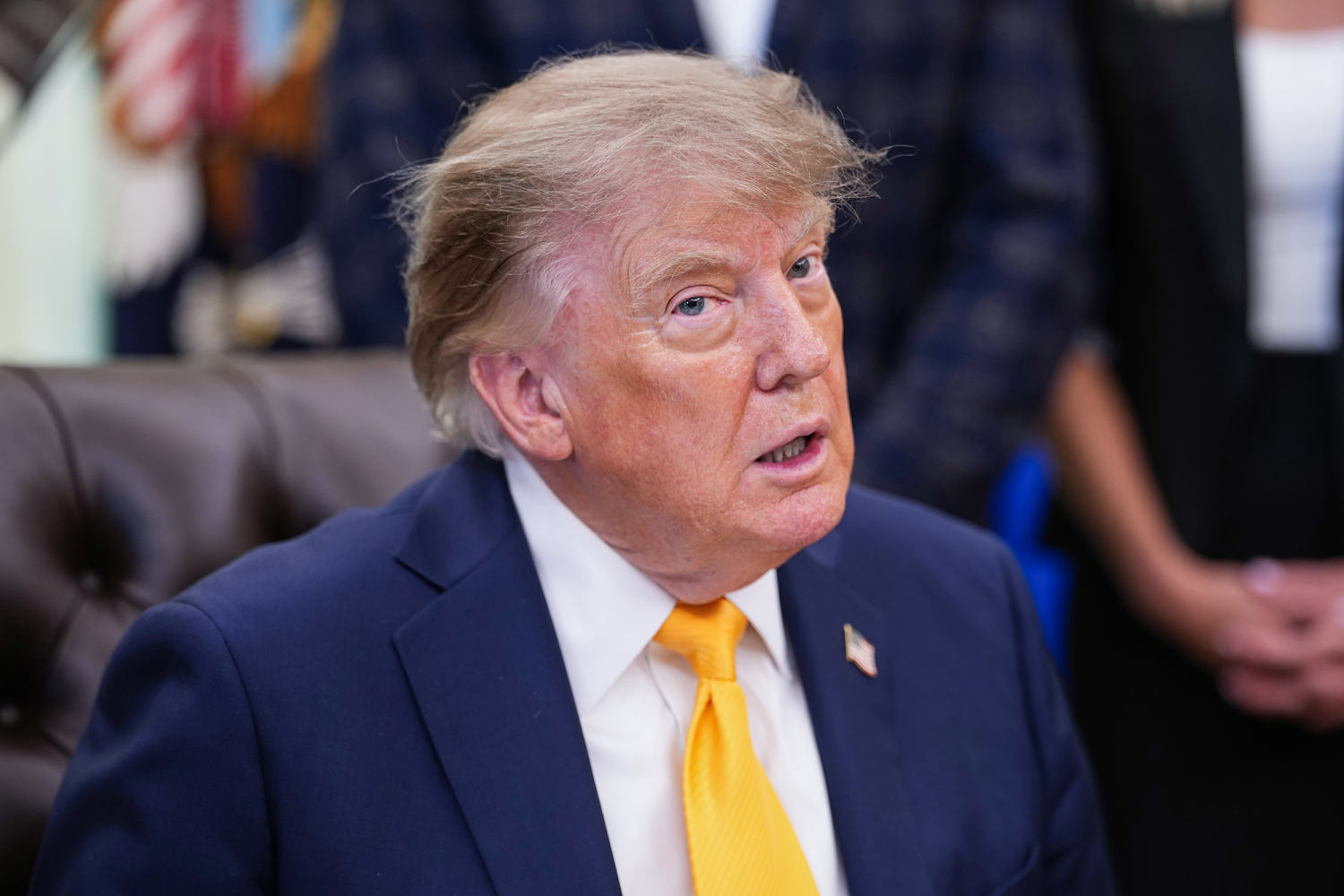
When the White House decides certain news organizations write coverage it doesn't like, the natural impulse from the administration is simple: shut the door. That is exactly what happened when President Donald Trump's administration moved to block journalists from CNN, MS NOW, and Politico from accessing the White House.
The response from the media wasn't quiet compliance. Instead, these three major outlets joined forces and hauled the administration straight into federal court, setting off a high-stakes legal war over the First Amendment, viewpoint discrimination, and the public's right to know. If you think this is just standard political posturing, look closer. This fight touches the core mechanics of how power is held accountable in Washington. Don't forget to check out our recent article on this related article.
The Breaking Point Behind the Press Ban
The collision course started building when the administration barred reporters from CNN, MS NOW, and Politico from regular White House access. The stated justification from officials relied on complaints about critical reporting, but legal experts immediately pointed out the constitutional trap. Punishing journalists with exclusion because the executive branch dislikes their tone crosses a sharp legal line.
Networks didn't wait around to see if restrictions would ease. In a rare display of industry solidarity, other media outlets suspended standard television pool coverage to protest the ban. Soon after, CNN, MS NOW, and Politico filed a joint lawsuit. They argued that stripping credentials violated both free speech guarantees and basic due process rights. To read more about the background here, The Guardian offers an excellent breakdown.
Inside the Courtroom Battle
The legal strategy centers heavily on what lawyers call viewpoint discrimination. US District Judge Timothy J. Kelly stepped in early on, issuing a temporary restraining order noting that the media outlets were likely to win their challenge. The judge recognized a fundamental reality: the government can't open public spaces to some reporters while locking out others purely based on editorial stance.
Even after initial legal relief, tensions didn't vanish. Reporters regained entry to certain events, but alleged blockades continued behind the scenes, including exclusions from major state dinners and restricted travel spaces. That frustration fueled an expanded lawsuit. The amended complaint filed by the media coalition highlights a stark statistic: out of nearly 5,000 questions entertained by the president in traditional areas, an overwhelming 97% happened either in the Oval Office or aboard Air Force One.
When the administration shuts access to those specific areas, it effectively cuts those newsrooms out of the vast majority of direct presidential interactions. Attorney Theodore Boutrous, representing the outlets, made it clear that these ongoing restrictions are designed to punish critical reporting and make it significantly harder to cover major global events.
Why This Legal Fight Shapes the Future of Journalism
Most people underestimate how much press access depends on unwritten norms rather than rigid statutes. When an administration decides to break those norms, the courts become the final referee. If the executive branch can pick and choose which news organizations get to ask questions based on whether the coverage is flattering, the entire concept of an independent press shifts.
The administration's defense has consistently pointed to executive authority over property and travel logistics. Yet, constitutional law doesn't give the White House carte blanche to operate a press room like a private club with a velvet rope. The distinction matters because access equals information. Without access to spaces like Air Force One or the Oval Office, reporters are left relying on secondhand readouts and official spin.
As the litigation grinds forward through appeals and amended filings, the implications extend far beyond these three networks. Every newsroom in the country has a stake in the outcome. If this administration successfully normalizes banning specific outlets for unfavorable coverage, future administrations of any political party will likely use the exact same playbook. Keep an eye on how the federal judiciary handles these arguments, because the final ruling will redefine the legal boundaries between executive power and the free press for decades.