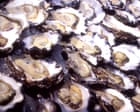
Four hundred thousand juvenile oysters don't just vanish into thin air. Moving three to four tonnes of living aquaculture stock requires planning, heavy machinery, boats, and a cold-chain logistics network. Yet, that is exactly what happened on the New South Wales Mid North Coast, leaving local growers reeling from a staggering $350,000 theft.
The Manning/Great Lakes Police District launched an active investigation after a report surfaced from Scotts Creek at Oxley Island, near Taree. Around 320 aquaculture bags packed with stock were stripped entirely from leases managed by Latitude 31 Oyster Co. This was not a petty crime of opportunity. It was a calculated, heavy-duty industrial robbery targeting rural livelihoods.
The Reality of Commercial Shellfish Theft
Most people picture aquaculture as a low-risk, passive enterprise. You drop bags into the water, walk away, and wait for nature to do the heavy lifting. Ryan Freeman, owner of Latitude 31 Oyster Co, knows the harsh reality is far different. Because these were juvenile oysters, they operated on a set-and-forget timeline, left unmonitored for months while growing in the estuary.
Thieves capitalized on this vulnerability. They emptied roughly 320 specialized mesh bags across multiple lines, taking the contents while leaving behind an empty shell of a business model for the season.
Moving this scale of product demands specific equipment. You need vessels capable of hauling tonnage, specialized lifting gear, and immediate transport options to keep the shellfish alive. Police are hunting for suspects who clearly understood the mechanics of local aquaculture.
Why the Timing Matters
The stolen crop was not ready for immediate plate service. These juvenile molluscs required another four to six months of growth before hitting market size.
Why target them now? Industry insiders point directly to future market demands. The timing targets the upcoming holiday season rush, when demand for local seafood spikes dramatically across restaurants and holiday celebrations. Stolen stock grown out in illicit or hidden leases can be laundered into the commercial supply chain just as prices peak.
This heist hits an agricultural sector already battered by environmental and biological pressures. Over the past few years, New South Wales growers have fought through severe floods, erratic weather patterns, and the constant threat of QX disease—a devastating parasite affecting Sydney rock oysters. Losing a third of total stock to human criminals feels entirely different than losing it to nature. It feels personal.
Protecting Vulnerable Coastlines
Oyster farming relies heavily on community trust and shared waterways. Leases stretch across remote estuaries where constant surveillance is impossible. Growers depend on neighbors and fellow mariners to spot strange vessels or unusual activity after dark.
Local police are urging anyone with dashcam footage, CCTV, or insider tips regarding suspicious boat movements around Taree to contact Crime Stoppers. Authorities treat all reports confidentially, hoping to crack open a black-market network that threatens the stability of Australia's iconic seafood industry.
Protecting these rural operations means tightening supply chain oversight and tracking how unverified stock enters commercial processing. For now, coastal farmers are left checking their lines more frequently, hoping the stolen harvest does not successfully find its way onto holiday menus later this year.