The Iranian regime is currently hunting for anyone with a smartphone, and they’re calling them "Zionist spies." If you’ve been following the chaos since Operation Epic Fury kicked off on February 28, you know the Islamic Republic is reeling. They lost their Supreme Leader, Ali Khamenei, in the opening strikes. Their air defenses were shredded. Now, the Ministry of Intelligence is scrambling to explain how Israeli and American intelligence got so lucky.
The answer? They're blaming you—or at least, people just like you.
On March 10, Tehran announced it had arrested 30 people for spying for Israel and the U.S. By this weekend, that number jumped again. In West Azerbaijan alone, 20 people were hauled off. In Lorestan, another six. Then there are the 81 people arrested just for "sharing data with hostile media."
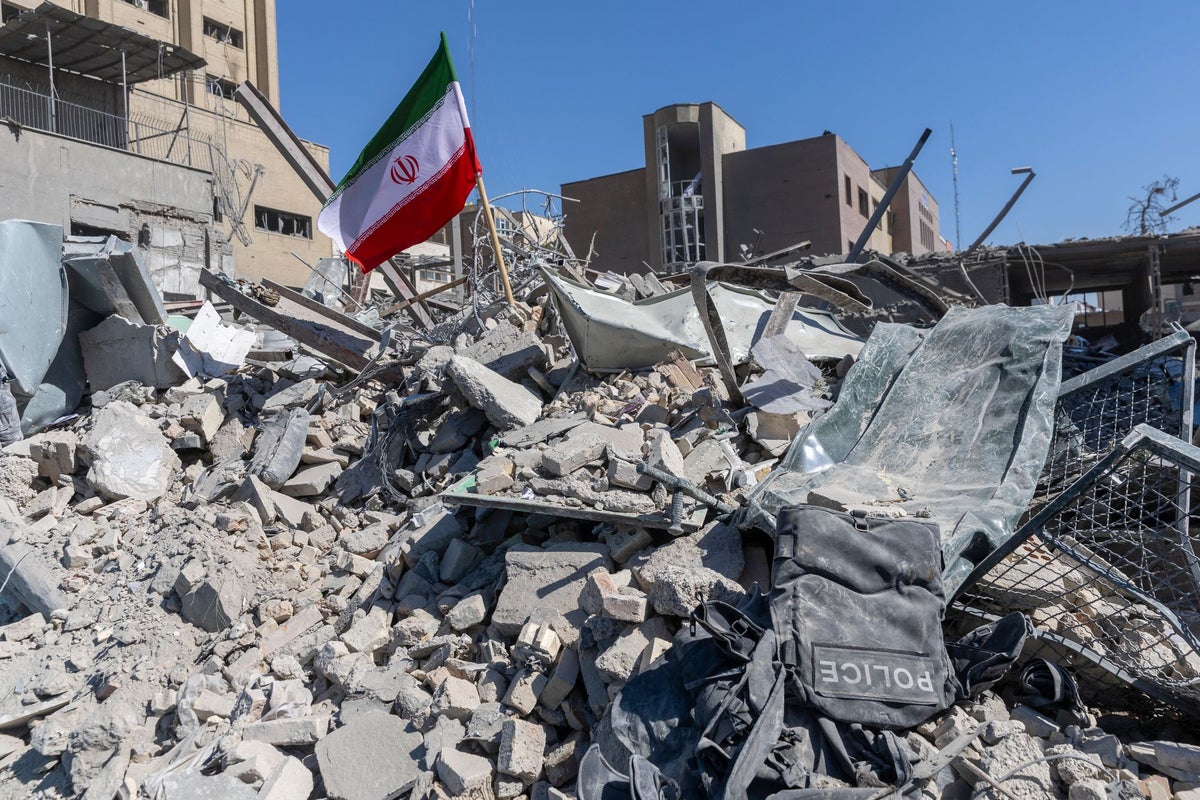
When a government starts arresting dozens of people for taking photos of bombed-out buildings, it isn't just a counter-intelligence operation. It’s a desperate attempt to plug the holes in a sinking ship while keeping the public too terrified to look at the water.
The logic gap in the spy hunt
Think about this for a second. The strikes that killed Khamenei and dozens of top commanders weren't lucky guesses. They were surgical. To pull that off, you need high-level access—the kind of intel that comes from deep within the IRGC (Islamic Revolutionary Guard Corps) or the inner sanctum of the leadership.
But who is the Ministry of Intelligence (VAJA) arresting? They’re picking up people in West Azerbaijan, Lorestan, and Hamedan. They’re arresting people for sending clips to Iran International. Honestly, does the regime really want us to believe that a random guy with a Samsung in Hamedan knew the exact GPS coordinates of a secret bunker where the Supreme Leader was hiding?
It doesn't add up. By labeling these people "American-Zionist mercenaries," the state is trying to hide a much more embarrassing truth. The leaks are almost certainly coming from the inside. Arresting dozens of civilians is a classic distraction tactic. It creates an atmosphere of "neighbor-on-neighbor" surveillance, where everyone is a potential traitor. If you're busy worrying about your cousin getting arrested for a WhatsApp message, you’re not asking how the Mossad got the floor plans to the Assembly of Experts' meeting hall.
High tech tools and high stakes
The crackdown isn't just about photos. It's about control. Iranian security forces recently seized 54 Starlink devices in Hormozgan and another 13 in Qom. In a country where the internet gets shut down the moment things get hairy, Starlink is a lifeline for the truth. For the regime, it’s a weapon.
They’re even targeting people for sending "manipulated images" to anti-regime media. Basically, if the photo you took shows more damage than the state-approved version, you’re a spy. Here’s a breakdown of what the charges actually mean in the current climate:
- Sharing internal Iranian data: This usually means you sent a video of a missile strike to a relative abroad or a news outlet.
- Operational agents: This is the term they use for anyone they want to keep in prison indefinitely without a real trial.
- Monarchist operatives: A catch-all for anyone who thinks the regime should have ended years ago. Over 50 people were arrested under this label just this week.
The state is using the "113" intelligence hotline to encourage people to snitch. They want you to think the enemy is everywhere so they can justify using "extreme force" on their own citizens.
Why this matters to you right now
If you’re in the region or have family there, the risk isn't just from the missiles falling from the sky. It’s from the guy standing next to you. The regime is trying to win a "intelligence war" by silencing the witnesses. They’ve even started calling people who photograph bombed sites "fifth columnists."
Human rights groups, including Amnesty International and IranWire, have pointed out that these arrests often lead to forced confessions. They use these "spies" as pawns to win concessions or to show the remaining loyalists that the government still has a grip on things.
The reality is that Iran’s security apparatus is terrified. They failed their most basic job—protecting the leadership—and now they’re lashing out at the easiest targets.
If you're looking for the real "spies," don't look at the people with the phones. Look at the people who had the keys to the bunkers.
Don't let the headlines fool you into thinking this is a successful counter-espionage sweep. It's a purge. If you want to stay safe or keep your contacts safe, stop using unencrypted apps like Telegram for anything sensitive. Switch to Signal, use a high-quality VPN, and if you have a Starlink, keep it hidden. The regime is more interested in making examples than finding the truth.
Be smart about what you share. The "spy" label in 2026 is less about Mossad and more about the government’s fear of its own people.