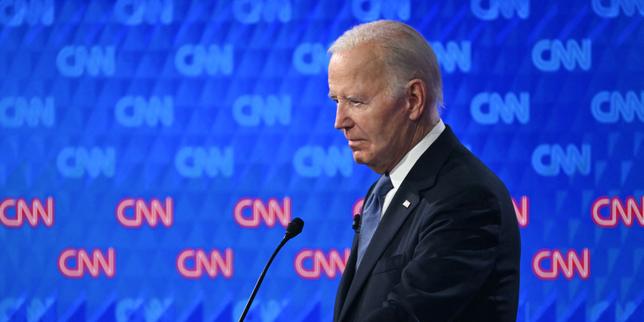
The mainstream press loves a predictable script. When a politician stumbles over words during a live broadcast, the editorial rooms don't analyze the underlying mechanics of the situation. They salivate. They rush to pump out headlines screaming about cognitive decline, alarming blunders, and a supposed breakdown of global stability.
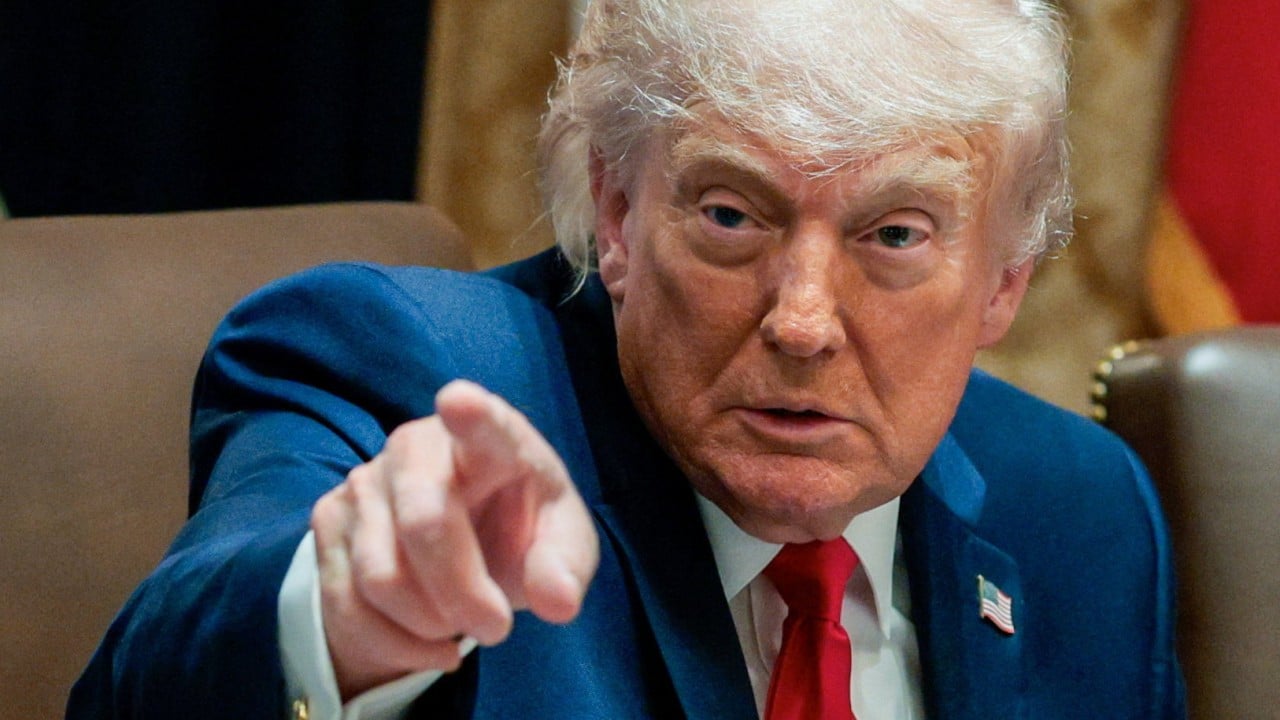
We saw this exact knee-jerk reaction when Donald Trump conflated Iran and Venezuela during a cabinet meeting. The consensus was immediate: the president doesn't know his geography, he can't distinguish between the Middle East and South America, and our foreign policy is in shambles. For an alternative view, check out: this related article.
That narrative is lazy. It misses the actual mechanism of modern geopolitical posturing.
The media focused on the literal map. They completely missed the structural reality that, from a strategic and economic standpoint, Iran and Venezuela function as two sides of the exact same coin in the eyes of Washington. The frantic scramble to point out a geographical mix-up shielded the public from a much more uncomfortable truth: under the hood of American foreign policy, maximum pressure campaigns treat distinct nations as identical nodes of resource denial. Further coverage on this matter has been provided by BBC News.
The Geography Fallacy: Why Maps Matter Less Than You Think
To the armchair pundit, confusing a Persian Gulf theocracy with a South American petro-state is an unpardonable sin. But anyone who has spent time analyzing State Department sanctions packages knows that the bureaucracy itself treats these nations interchangeably.
Let's look at the mechanics of the "Maximum Pressure" framework.
When Washington levies sanctions, it applies a standardized toolkit. The Office of Foreign Assets Control (OFAC) doesn't design a bespoke, culturally nuanced strategy for Caracas and a completely separate one for Tehran. They use the same blunt instruments:
- Secondary sanctions on oil buyers.
- Exclusion from the SWIFT banking network.
- Freezing of foreign reserves.
- Designation of state entities as terrorist or corrupt organizations.
When a leader speaks about these targets, the specific name of the country is almost secondary to the operational category they occupy. They are "Target Economy A" and "Target Economy B." The slip of the tongue isn't an indicator of structural ignorance; it is a manifestation of an administrative apparatus that views the world not as a collection of unique cultures, but as a chessboard of compliant and non-compliant regimes.
The Shared Blueprint of the Rogue State
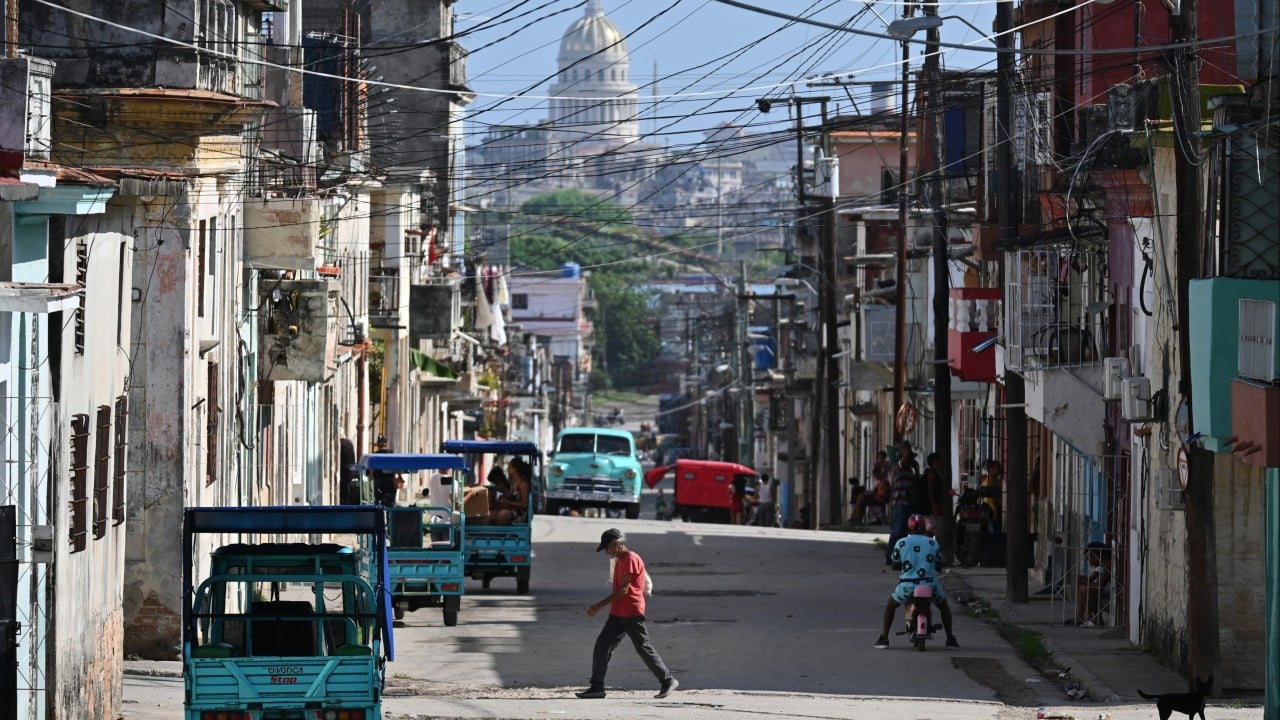
The media's collective meltdown over the gaffe ignored the deep, material convergence between Iran and Venezuela that has been developing for two decades. This isn't a hypothetical alliance; it is a concrete, operational partnership born out of shared economic isolation.
Consider the actual data points that the standard news report conveniently left out:
1. The Energy Swap Mechanism
Venezuela sits on the world's largest proven oil reserves, yet its refineries are completely broken down due to mismanagement and lack of US-made spare parts. Iran, despite facing intense Western pressure, has maintained a highly functional domestic refining capacity.
What happened? Iran began shipping condensate—a ultra-light crude oil—to Venezuela to help the country dilute its sludge-like extra-heavy crude so it could be exported. Tehran sent technicians, refinery components, and gasoline to Caracas. In return, Venezuela paid Iran in gold and agricultural products.
2. The Dark Fleet Network
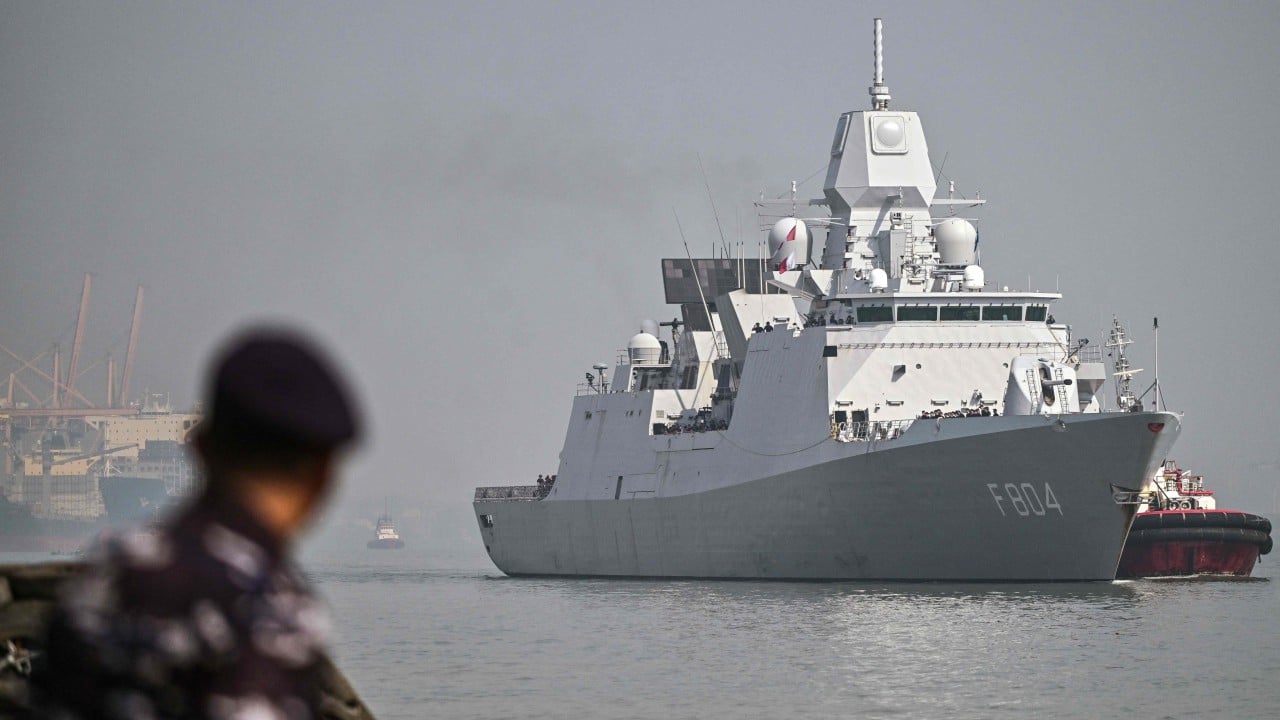
Both nations rely on the exact same shadow network of aging, uninsured oil tankers to bypass Western blockades. These vessels turn off their Automated Identification System (AIS) transponders, engage in risky ship-to-ship transfers in the middle of the ocean, and use fraudulent flags of convenience.
[Iran Refined Products/Condensate]  --->  [Venezuela Heavy Crude Dilution]
                                               |
                                               v
[Shared Shadow Tanker Fleet]  --->  [Asymmetric Global Markets]
When an administration crafts policy to stop this behavior, the target is the network, not the specific flag on the vessel. If you are sitting in a briefing room discussing how to cut off the illicit flow of crude to illicit buyers, the distinctions between the Orinoco Belt and the Persian Gulf blur into a single, continuous headache.
Dismantling the "Alarming Blunder" Premise
Let’s address the core question that the standard news cycle forces upon us.
People Also Ask: Does a president mixing up foreign adversaries signal a dangerous lack of preparation for international crises?
The honest answer is no. But the reason why it doesn't matter is what should actually alarm you.
The institutional foreign policy establishment—the permanent bureaucracy within the Pentagon, the CIA, and the National Security Council—drives the actual execution of American strategy. A president's public rhetoric is a front-facing marketing campaign designed for domestic consumption and high-level deterrence.
When a president makes a verbal error, the economic sanctions don't suddenly drop. The carrier strike groups don't turn around. The deep state infrastructure keeps churning out the exact same pressure tactics regardless of the nomenclature used at the podium.
The real danger isn't that a leader gets the names wrong. The real danger is that the policy remains completely identical regardless of which country is being targeted. We treat a hyper-ideological, regional clerical power (Iran) with deep proxy networks across the Levant exactly the same way we treat a classic Latin American populist military regime (Venezuela).
That is the actual failure of strategy. It is a failure of nuance, not geography. But criticizing that requires a deep dive into the flaws of American hegemony, whereas mocking a verbal slip requires zero intellectual heavy lifting.
The Risk of the Monolithic Adversary
There is a downside to pointing out this convergence, and it’s one that contrarians must acknowledge. By recognizing that these nations function similarly under pressure, Washington risks creating a self-fulfilling prophecy.
When you push two distinct adversaries into the same corner with the exact same tools, you force them into an alliance that would have otherwise been unthinkable. Ideologically, a radical Shia theocracy and a secular socialist regime have absolutely nothing in common. Under normal historical conditions, their relationship would be superficial at best.
By treating them as a monolith, American policy created the very axis it now scrambles to dismantle. They share intelligence. They share sanction-evasion tactics. They share military tech, including Venezuelan assembly of Iranian-designed Mohajer drones.
Stop Looking at the Teleprompter
The obsession with verbal perfection is a distraction trick. It allows the public to feel intellectually superior to their leaders while completely ignoring the catastrophic stagnation of the underlying policies.
Whether the executive branch calls it Iran, Venezuela, or an abstract axis of evasion, the output is the same: a reliance on economic warfare that punishes civilian populations, entrenches ruling elites, and drives America's adversaries into a tightly integrated, parallel economic order.
The media wants you to laugh at a mix-up so you don't look at the broken machine behind the curtain. Stop grading foreign policy like a high school geography quiz. Start looking at the actual flow of oil, gold, and hardware. That is where the real policy is written, and it doesn't care about a slipped word in a cabinet room.