The smoke over Tehran hasn't even cleared, and the narrative is already fracturing. If you turn on state-run IRIB right now, you’ll see a sea of black-clad mourners in Enqelab Square, weeping for a "martyr." But look at the encrypted Telegram channels or the quiet rooftop celebrations in Karaj and Shiraz, and you'll find a very different Iran. The assassination of Ali Khamenei on February 28, 2026, didn't just end a thirty-seven-year reign; it cracked the mirror of Iranian society wide open.
Western media loves a simple story. They see the "thousands" mourning in the streets and assume the regime has successfully consolidated its grief. It hasn't. What we're witnessing isn't a monolithic outpouring of sorrow. It’s a desperate, high-stakes competition for the soul of a country that’s been holding its breath for decades. If you liked this article, you might want to read: this related article.
A Targeted Strike That Changed Everything
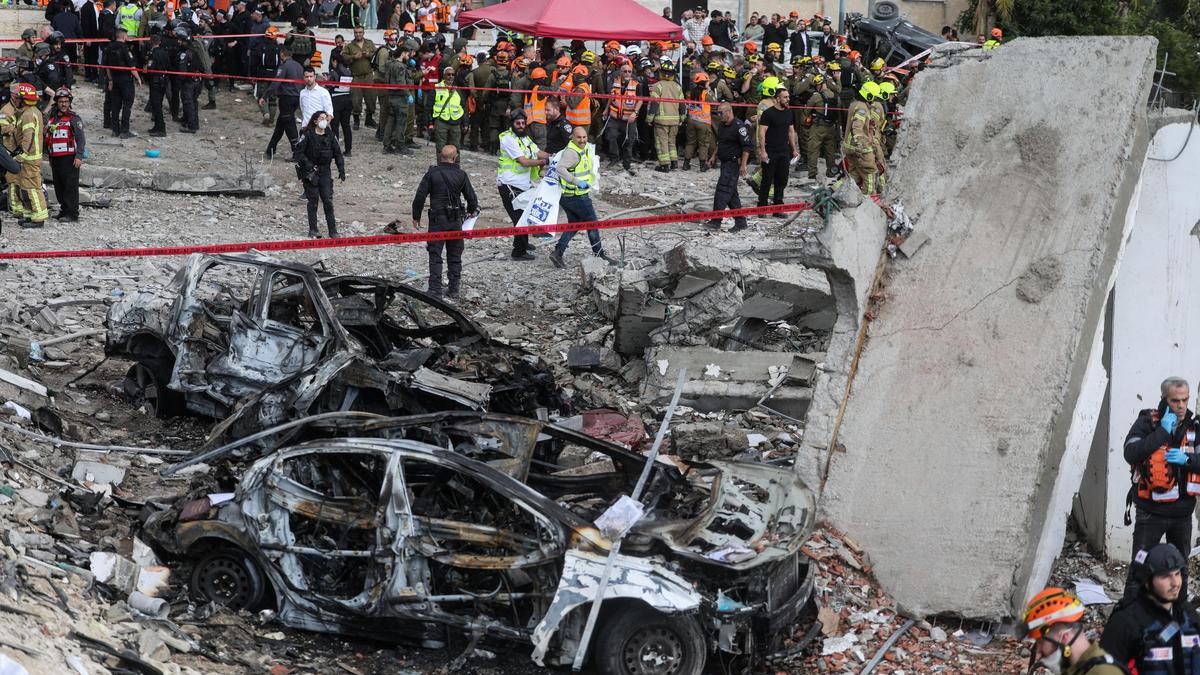
This wasn't some random escalation. The joint U.S.-Israeli operation was a surgical "decapitation" strike. It hit the heart of the leadership compound at 8:10 AM local time. They didn't just get Khamenei. Reports from the Fars News Agency confirm that the strike also killed his daughter, son-in-law, and several grandchildren.
When you kill a leader of 86 years alongside his inner circle, you don’t just create a vacancy. You create a black hole. For another look on this event, see the recent update from Al Jazeera.
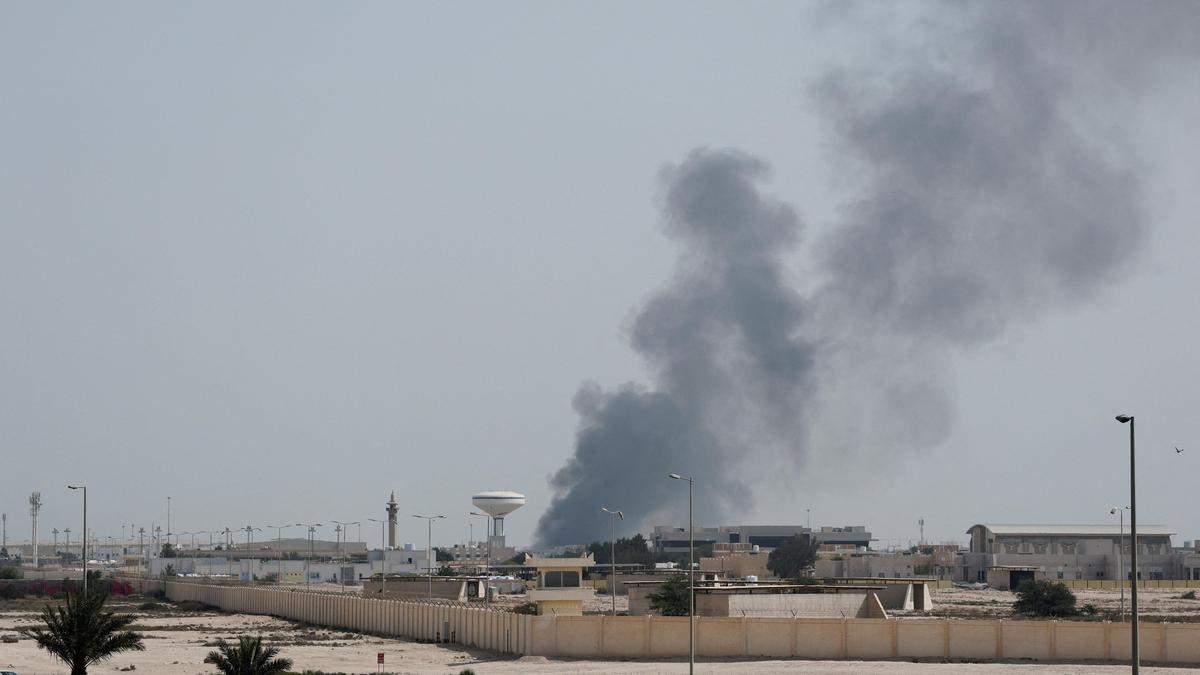
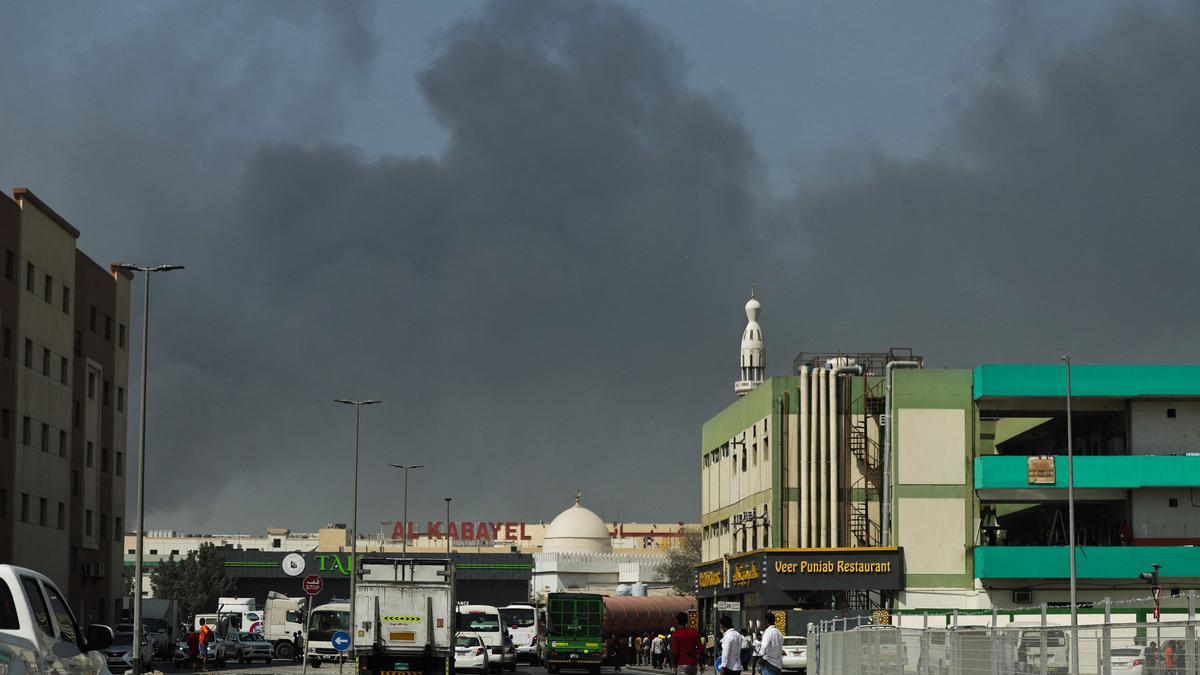
The timing was brutal. By hitting during the day, the attackers ensured the "Axis of Resistance" was left leaderless at its most critical moment. Within hours, the Revolutionary Guards (IRGC) were scrambling. They’ve already started lobbing missiles at the UAE and Qatar, trying to prove they still have teeth. But don’t let the fireworks fool you. The real war is happening inside the halls of the Assembly of Experts in Tehran.
The Succession Crisis Nobody Is Ready For
Iran’s constitution says a leadership council has to take over immediately. That council currently includes President Masoud Pezeshkian and Judiciary Chief Mohseni-Ejei. But these guys are placeholders. The real question is who fills the seat permanently.
- Mojtaba Khamenei: The son. He’s got the IRGC in his pocket, but the "hereditary" label is a hard sell in a Republic born from toppling a King.
- Alireza Arafi: The dark horse. He’s already been named to the interim Leadership Council. He’s the establishment's safe bet.
- Hassan Khomeini: The grandson of the original founder. He’s the "reformist" hope, but the hardliners would likely rather burn the building down than let a moderate take the wheel.
Most people think the IRGC will just install a puppet. I don't think it's that simple. The IRGC itself is split between old-guard ideologues and younger officers who care more about their business empires than the "Islamic Revolution." If they pick the wrong guy, the whole house of cards could come down.
Mourning vs Celebration
It's easy to be cynical about the crowds in Tehran. Sure, many are there because they truly loved the man. For a certain segment of society, Khamenei was the only stable thing they ever knew. But let’s be real: in a country where your job, your safety, and your food rations often depend on appearing loyal, you show up when the government calls for mourning.
The "thousands" in Enqelab Square are real. But the "thousands" who stayed home or surreptitiously shared videos of fireworks are just as real. Since the Mahsa Amini protests in 2022 and the brutal crackdowns of 2025 that killed an estimated 30,000 people, the gap between the people and the state has become a canyon.
Honestly, the regime knows this. That’s why they’ve declared 40 days of mourning and a week-long holiday. They need time to manufacture a sense of national unity before the cracks become too wide to hide.
What Happens Tomorrow
The world is waiting for the "great uprising" the IRGC promised. We’ve seen drone strikes in Kuwait and disruptions in the Strait of Hormuz. Oil prices are already twitching. But the biggest threat to the regime isn't an Israeli jet or a U.S. carrier. It’s the silence of the Iranian middle class.
If you’re watching this from the outside, don't just look at the flag-burning videos. Watch the strikes. Watch the bazaars. If the merchants in Tehran and Isfahan close their shops, that’s when you know the regime is in real trouble.
The next few weeks will decide if Iran becomes a more radicalized military junta or if this is the beginning of a true transition. The IRGC will try to use Khamenei’s "martyrdom" to justify a massive internal purge. They’ll look for "infiltrators" and "spies" to explain how the intelligence was so perfect.
If you want to understand where this is going, stop looking at the funerals. Start looking at the borders and the digital footprints of the Iranian youth. They aren't mourning a man; they're waiting for an opening.
Check the latest updates on the Assembly of Experts' private sessions and monitor the Brent Crude index. If the Strait of Hormuz remains blocked for more than 72 hours, the regional math changes for everyone, not just Tehran.