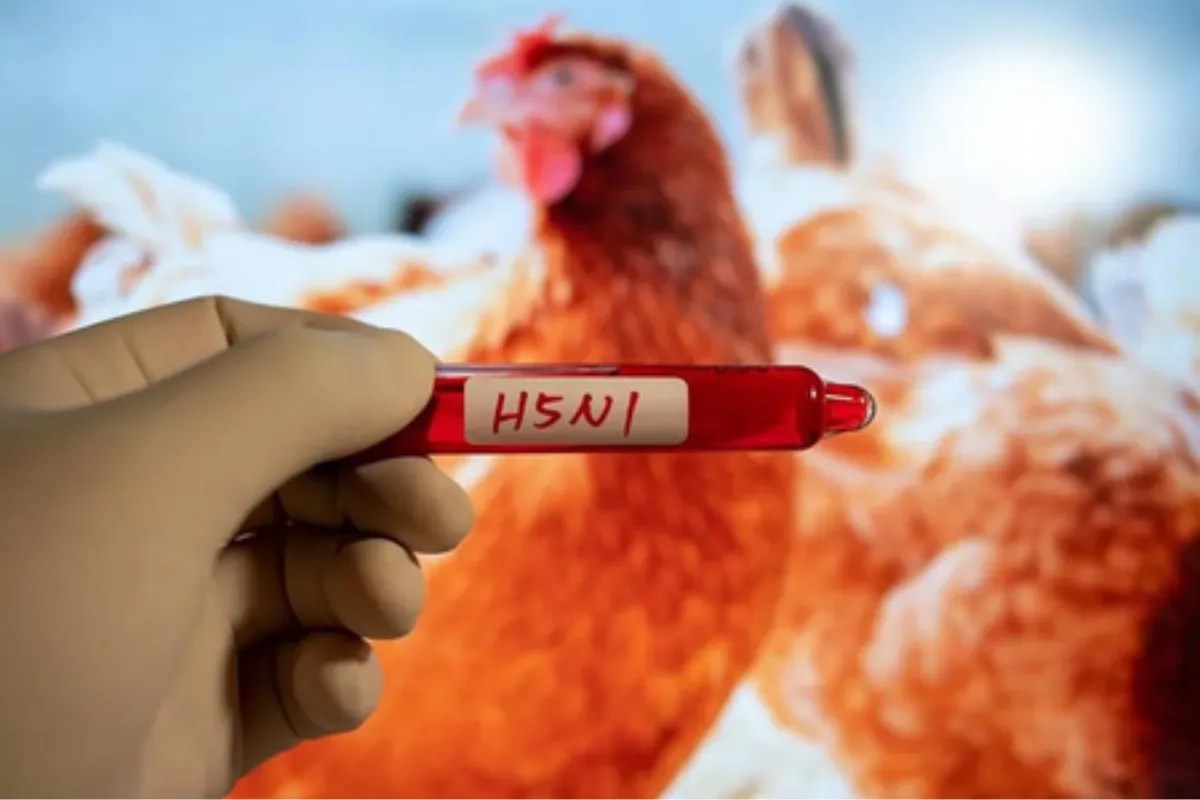
H5N1 is back in the headlines. Nepal's poultry sector is currently shaking after a fresh outbreak of the Highly Pathogenic Avian Influenza (HPAI) hit farms across several districts. If you think this is just a problem for farmers or people who sell eggs, you're wrong. It's a massive public health red flag that everyone from Kathmandu to the border towns needs to take seriously.
Nepal's Ministry of Agriculture and Livestock Development has already activated emergency protocols. Thousands of birds have been culled. Entire livelihoods are being buried in pits covered with lime. The panic isn't just about the money being lost—it's about the terrifying reality of what happens if this virus makes the jump from birds to humans more efficiently than it does now.
The Reality of Nepal's H5N1 Outbreak
Nepal has a long, painful history with Bird Flu. The first case was recorded back in 2009 in Mechi. Since then, it’s been a recurring nightmare. The current situation in 2026 isn't a fluke. It's a systemic failure. We see the same pattern every time: a few dead crows or chickens, a delayed response, and then a massive culling operation that leaves farmers broke and consumers terrified.
The Department of Livestock Services (DLS) confirmed the presence of the H5N1 strain after samples were tested at the Central Veterinary Laboratory. This isn't the "mild" stuff. This is the strain that kills nearly 100% of the birds it infects within 48 hours. When you see "H5N1" in the news, you aren't looking at a common cold. You're looking at a biological wrecking ball.
Why the Border is a Problem
Let's talk about the elephant in the room: the open border with India.
Nepal's biosecurity is basically a sieve. Even when the government "bans" the transport of poultry across districts, illegal trade continues through unchecked trails. If a farm in Bihar has an outbreak, it's only a matter of days before a farm in Chitwan starts seeing dead birds. You can't stop a virus with a paper ban if the enforcement on the ground is non-existent.
What This Costs the Average Person
You might not own a chicken, but you'll feel the sting. Poultry is the only sector where Nepal is supposedly "self-sufficient." It contributes about 4% to the national GDP. When H5N1 hits, the supply chain snaps.
- Price Hikes: Expect the price of eggs and meat to skyrocket as supply drops.
- Economic Ruin: Small-scale farmers often take massive loans to start their coops. One outbreak wipes them out. The government compensation? It's usually too little and too late.
- Dietary Gaps: For many in Nepal, chicken is the only affordable animal protein. Take that away, and you have a nutritional crisis on top of a health one.
Honestly, the way we handle these outbreaks is embarrassing. We wait for birds to die in droves before we act. By then, the virus has already hitched a ride on someone’s boots or a truck's tires and moved to the next village.
The Human Risk Nobody Wants to Talk About
Here's the scary part. H5N1 doesn't usually infect humans easily. But when it does, the mortality rate is north of 50%. Compare that to the less than 1% we saw with most strains of COVID-19.
In Nepal, the distance between humans and livestock is tiny. In rural areas, people live right next to their coops. They handle sick birds with bare hands. They slaughter them at home. This isn't just a "farm problem"—it's a "your kitchen table" problem. The World Health Organization (WHO) has been watching H5N1 closely because of its "pandemic potential." Every time the virus replicates in a new bird, it's a roll of the dice. One day, it might win the genetic lottery and start spreading human-to-human.
Signs You Need to Watch For
If you're near an outbreak zone, pay attention. This isn't just "the flu."
- Sudden high fever and cough.
- Shortness of breath that gets worse fast.
- Muscle aches and severe fatigue.
- History of being near dead birds or wet markets.
Don't sit on these symptoms. If you've been around poultry and you feel like garbage, get to a hospital and tell them exactly what you were doing.
Stop Falling for the Myths
There's a lot of nonsense floating around social media every time this happens. Let's clear some of it up.
Myth: You can't eat chicken at all during an outbreak.
Wrong. You can eat it, but don't be an idiot. Cook it until the internal temperature is at least 74°C (165°F). No pink, no blood. The virus is heat-sensitive. Kill it with a frying pan.
Myth: Bird flu is only for birds.
Nope. It's been found in tigers, cats, and even cattle lately. It's a "zoonotic disease"—it's jumping species like never before.
Myth: Vaccination for birds solves everything.
Not really. Some countries use vaccines, but in Nepal, it's a mess of regulation and cost. Vaccinated birds can still carry and shed the virus without looking sick. That’s even more dangerous in some ways.
What You Should Do Starting Today
If you're in Nepal or near a border, change your habits right now. Don't wait for a government announcement that usually comes weeks too late.
- Avoid Live Markets: If you can, buy frozen or pre-slaughtered meat from reputable sources. Avoid "wet markets" where live birds are kept in cramped, dirty conditions.
- Wash Your Hands: Simple, right? But seriously, if you touch raw poultry or its packaging, scrub your hands with soap and water for at least 20 seconds.
- Report Dead Birds: If you see more than two or three dead birds in your backyard or on the street, call the District Livestock Service Office immediately. Don't touch them yourself.
- Farmers, Tighten Up: If you're a farmer, your boots and your vehicle are your biggest enemies. Use disinfectants. Limit who comes on your farm. Don't trade sick birds out of desperation—you'll just sink your neighbors too.
The H5N1 threat in Nepal isn't going away anytime soon. It's an endemic reality of our agriculture system. But we don't have to live in "terror" if we stop ignoring the warning signs. Awareness is your best defense against a virus that doesn't care about borders or bank accounts. Protect your family by being smart about what you eat and where you get it.