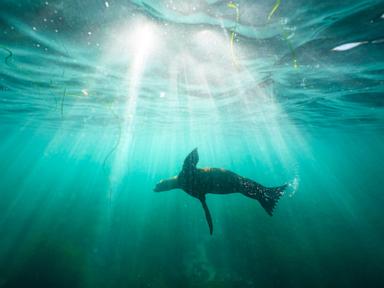
Another day, another viral video showing human stupidity at a California beach. Federal wildlife authorities are currently investigating a widely circulated social media clip showing an individual repeatedly kicking a protected sea lion at La Jolla Cove in San Diego. While the animal tries desperately to scoot away from the attacker, laughter echoes in the background. It is a sickening display that highlights an escalating crisis of wildlife harassment along the California coast.
The National Oceanic and Atmospheric Administration, specifically its Office of Law Enforcement, confirmed they have opened an active investigation into the incident. Yet, this is far from an isolated event. Local authorities, conservation groups, and everyday beachgoers are watching a troubling pattern unfold where marine mammals face constant, illegal interference from tourists and locals who treat wild animals like interactive theme park props.
Understanding the Marine Mammal Protection Act
Sea lions aren't just local attractions you can crowd or touch. They are federally protected under the Marine Mammal Protection Act (MMPA). Enacted in 1972, this legislation makes it illegal to harass, harm, pursue, feed, capture, injure, or kill any marine mammal.
When someone decides to walk right up to a resting sea lion, let alone throw kicks at it, they are breaking federal law. NOAA guidelines state that people must stay at least 50 feet away from sea lions and seals at all times. Violating these rules carries serious consequences. Depending on the severity of the offense, perpetrators face hefty financial penalties and potential jail time.
San Diego Mayor Todd Gloria didn't mince words after the footage surfaced, labeling the incident a disgusting act of animal cruelty on social media while confirming that local law enforcement is also reviewing the footage to assist federal agents.
Why La Jolla Cove Became a Flashpoint
If you spend any time visiting La Jolla Cove, you will quickly notice a disconnect. Hundreds of people pack the shoreline daily. Signs are posted. Rangers try their best. Despite clear warnings, tourists routinely push past barriers to take selfies, get close-up videos, or chase animals into the surf.
Conservation organizations like the Sierra Club and animal rights groups like PETA have repeatedly sounded the alarm. Human interference does more than just cause immediate stress to an animal. Wildlife advocates point out that chronic disturbances have severe ecological consequences. For instance, startled mothers frequently abandon their pups when harassed by crowds or chased by bad actors. Local seal and sea lion societies have reported numerous pup deaths tied directly to abandonment caused by human disruption.
When a sea lion gets cornered on a beach, it cannot reason with an aggressive human. It can only try to escape or defend itself. Kicking a defenseless animal that is trying to scoot away is not just cowardly; it demonstrates a profound lack of basic empathy and respect for nature.
What You Can Do When You Witness Wildlife Harassment
Social media outrage is easy, but actionable reporting actually helps law enforcement track down offenders. If you find yourself at a beach and witness someone violating wildlife protection laws, don't just pull out your phone to record for clout.
Take immediate action by following these steps:
- Keep your distance first: Never put yourself in danger or crowd the animal further.
- Document safely: Capture clear footage or photos of the offender, any vehicle license plates, and identifying features if it is safe to do so from a legal distance.
- Report immediately: Call the NOAA Fisheries Office of Law Enforcement hotline at 800-853-1964. Detailed information, exact timestamps, and specific locations make these federal investigations much more effective.
- Contact local authorities: Local police departments can often assist state and federal wildlife officers in identifying suspects who post their crimes online.
Wild animals deserve space to rest, breed, and live without being terrorized for internet amusement. Until penalties become severe enough to deter the worst offenders, local communities and observant visitors remain the primary line of defense for California's marine life.