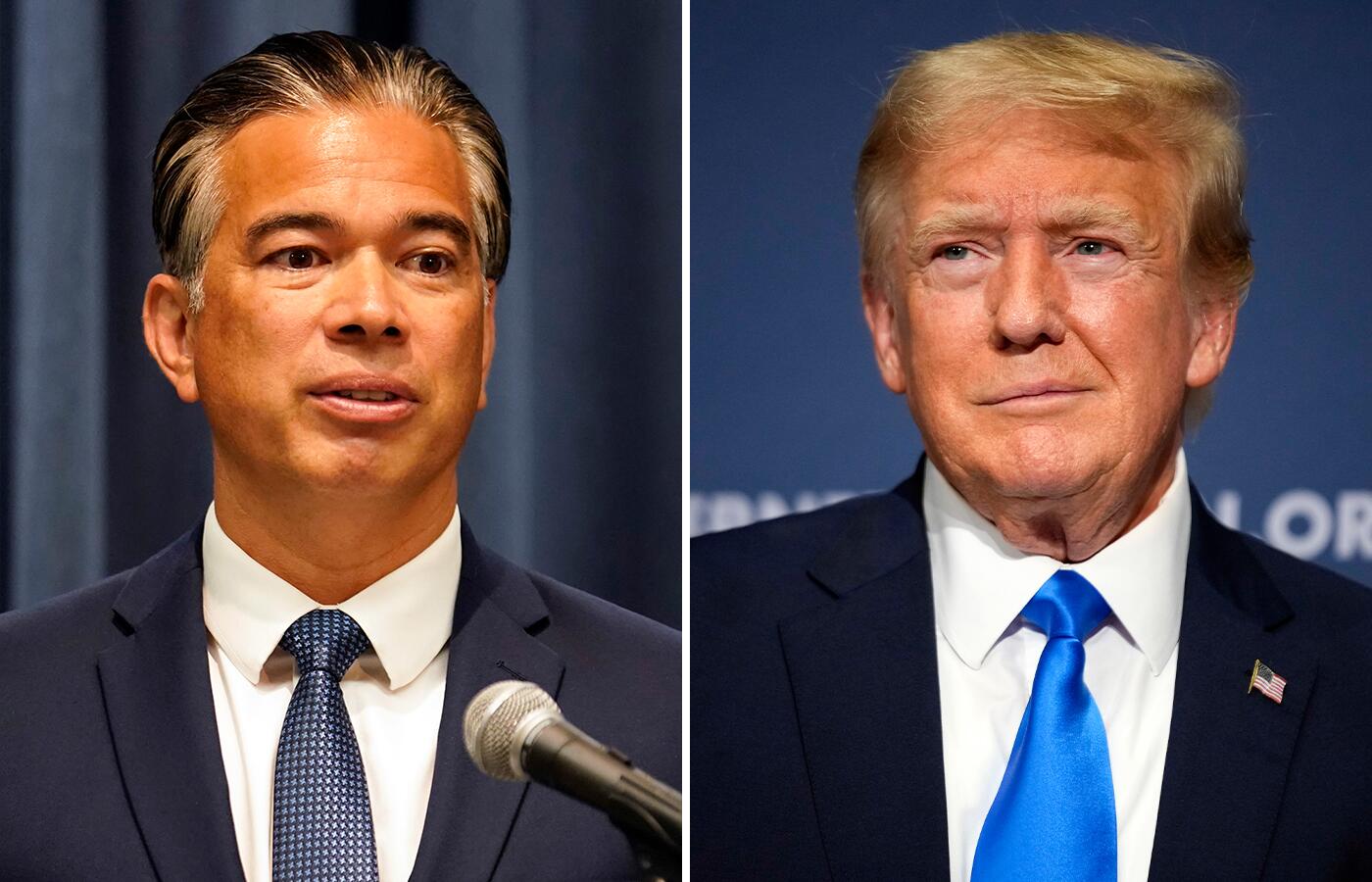
The trajectory of public figures who arrive in the United States as children often becomes flattened into flat, inspirational talking points. The standard media narrative reduces complex biographical data into a predictable script of struggle, arrival, and eventual triumph. Yet looking closely at how leaders like California Attorney General Rob Bonta navigate the machinery of American governance reveals a much sharper, structural reality. Immigrant entry into high-level institutional power is not merely a heartwarming testament to national inclusion. It is a calculated, high-stakes negotiation with existing political structures that demands institutional fluency, ideological persistence, and a very specific type of pragmatic endurance.
Understanding this dynamic requires looking past the surface-level sentimentality of the immigrant success story. When families cross international borders, they bring with them accumulated political and social orientations that directly shape the subsequent generation. Bonta's upbringing offers a clear lens into this phenomenon. Raised partly in the labor camps where his parents organized alongside figures like Cesar Chavez and the United Farm Workers, his early education was rooted in grassroots political mobilization rather than traditional comfort. That foundation matters. It establishes an operational framework where policy is viewed not as an abstract academic exercise, but as an immediate instrument of economic and social survival.
When analyzing how first- or second-generation Americans scale the heights of state and federal power, political scientists frequently miscalculate the friction involved. Moving from community organizing or municipal governance to statewide executive office requires mastering two distinct languages. One must speak fluently to the institutional elites who control party apparatuses and donor networks, while simultaneously maintaining credibility with working-class constituencies who view mainstream politics with deep skepticism. Bonta’s career path—from local council work in Alameda to the state assembly and ultimately to the state's top legal post—illustrates the rigorous calibration required to bridge these worlds.
Consider the mechanics of state-level legal enforcement in a jurisdiction as massive and economically diverse as California. The attorney general does not merely advocate for ideological positions; they manage a sprawling bureaucratic apparatus capable of blocking federal overreach, challenging corporate monopolies, and shaping labor protections. When a leader with a distinct personal background takes command of such an agency, the operational priorities often shift toward structural defense. Protecting immigrant communities from aggressive federal enforcement, contesting exploitative corporate labor practices, and reshaping criminal justice metrics become institutional imperatives rather than optional policy preferences.
Critics on both ends of the political spectrum frequently misunderstand this role. Opponents often frame executive litigation as mere partisan grandstanding, ignoring the concrete economic arguments underpinning state-level market regulations. Conversely, enthusiastic supporters occasionally romanticize individual identity as an automatic guarantor of progressive outcomes, underestimating the stubborn inertia of bureaucratic systems. The reality exists in the contentious space between those two extremes. Executive authority is constrained by statutory limits, judicial precedent, and the sheer weight of institutional tradition. Navigating those boundaries demands more than a compelling personal biography; it requires tactical precision and institutional grit.
The broader implications of this political ascent extend far beyond any single resume. As demographic shifts transform the electorate across the United States, the profile of leadership naturally evolves. Yet representation without institutional leverage remains symbolic. The true test of immigrant integration into the highest tiers of governance lies in the ability to rewrite the rules of engagement for those who follow. It requires transforming personal narrative into systemic power, ensuring that legal protections and economic opportunities are institutionalized rather than left vulnerable to shifting political winds.
The path from a labor camp trailer to the state department of justice is entirely extraordinary, yet it should be evaluated through its concrete policy outcomes rather than its emotional resonance. Power is neither gifted nor easily sustained. It is aggressively contested, carefully managed, and ultimately judged by who benefits when the machinery of the state is put into motion.
Dateline Philippines: Rob Bonta is first Filipino to become California's Attorney General | ANC
This archival broadcast provides historical context on the political milestones surrounding Rob Bonta's appointment and the broader significance within the diaspora community.
http://googleusercontent.com/youtube_content/1